Moving is one of the most stressful events a family can go through, and one of the biggest reasons it becomes overwhelming is the sheer volume of accumulated belongings that nobody noticed until it was time to pack them. Decluttering before moving in Cincinnati, OH is not just a nice idea, it is one of the most practical steps a household can take to cut costs, reduce chaos, and start fresh in a new home. Whether you are relocating across town or across the state, getting ahead of your stuff gives you control over the process. And when items are too worn, too bulky, or simply unwanted, professional residential junk removal in Cincinnati can handle the heavy lifting so you do not have to.
This guide walks through a realistic 90-day countdown, a room-by-room priority system, and the best local options in Cincinnati for donating, selling, and recycling what you no longer need.
Why Families Consistently Underestimate What They Own
Research from the National Association of Professional Organizers suggests that the average American home contains more than 300,000 items. Over years of living in one place, garages fill up with sporting equipment used twice, basements absorb furniture from previous living rooms, and closets quietly collect items that “might be useful someday.” When moving day arrives, all of it has to go somewhere.
The practical consequences are real. Moving companies often charge by weight or by truck volume. Extra boxes mean more trips, more time, and a higher final bill. Arriving at a new home with boxes of things you do not need means unpacking clutter into a space that was supposed to feel like a fresh start. Getting ahead of this with a deliberate decluttering plan solves both problems at once.
The 90-Day Countdown: When to Do What
90 to 60 Days Before the Move: Sort and Assess
Start in the rooms and storage areas that hold the most volume and the least emotional weight. This phase is about getting a clear picture of what you own. Walk through every space and make broad assessments. What is broken beyond repair? What have you not touched in two or more years? What do you own in multiples when one would do?
Create three working categories: keep, donate or sell, and dispose. Do not try to make every item a final decision at this stage. The goal is simply to identify the volume of what needs to leave the house.
According to the American Moving and Storage Association, decluttering before a move is one of the most cost-effective steps a household can take. Even removing a few large items from the moving inventory can meaningfully reduce truck space and transport time.
60 to 30 Days Before the Move: Donate, Sell, and Schedule Removal
Once you know what is leaving, it is time to move it out. This phase overlaps with active packing of items you are keeping. List sellable items on Facebook Marketplace or OfferUp. Drop off clothing and household goods at donation centers. For large or heavy items that nobody wants, schedule a junk removal pickup so they are gone well before moving week.
The 30-day buffer matters. Donation centers can have drop-off windows that fill up. Junk removal services in Cincinnati often have booking lead times, especially during peak moving season in spring and early summer.
30 Days to Moving Day: Final Sweep and Last-Minute Decisions
By this point, most of the decluttering work should be done. The final month is for packing, not sorting. Use this phase to walk through rooms a second time and catch anything that snuck back into the “keep” pile. Do a final round of donation drop-offs if needed, and confirm your junk removal or haul-away appointment for any remaining items.
Room-by-Room Declutter Priorities
Not all rooms are created equal when it comes to decluttering difficulty. The rooms with the most volume and the least sentimentality should come first. Sentimental rooms like children’s bedrooms or spaces with family heirlooms should come last, when you have already built momentum and decision-making confidence.
Start Here: Garage and Basement
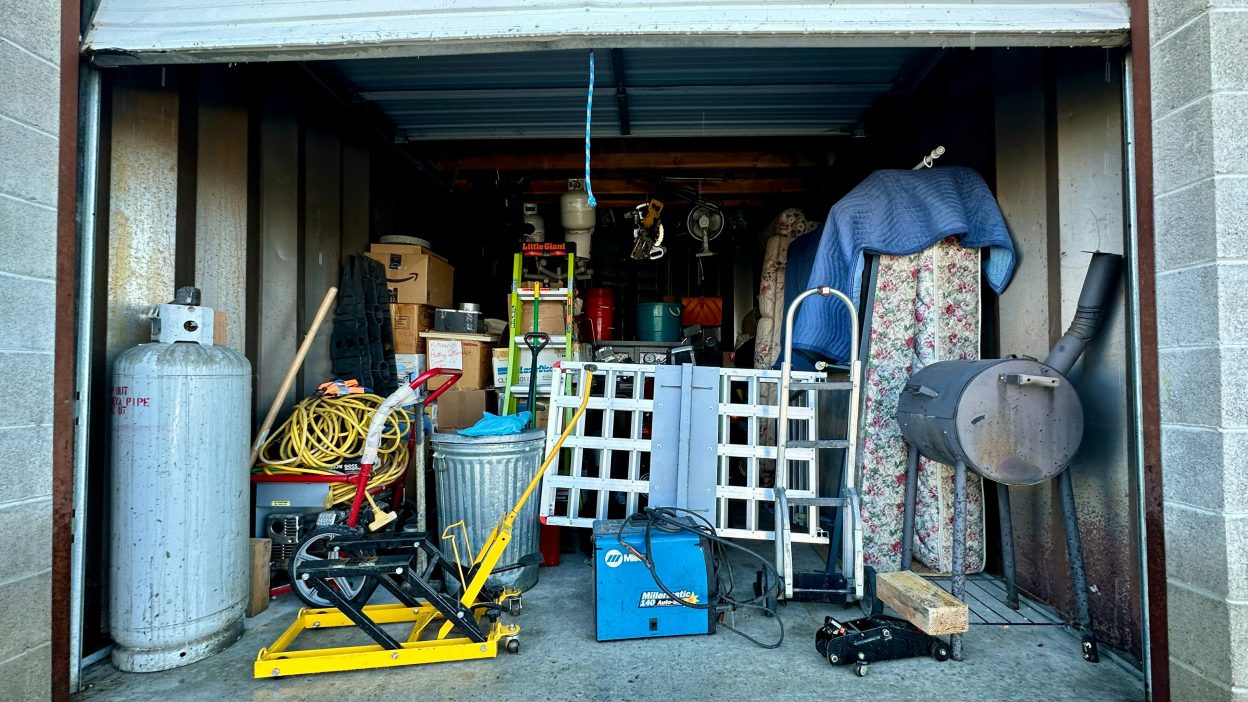
These two spaces are where households store things they could not decide about. That makes them the highest priority for decluttering and the biggest opportunity to reduce moving volume quickly.
For every item in the garage or basement, apply this quick framework:
- Have I used this in the past two years?
- Would I pay to move this to the new home?
- Is it in working condition?
If the answers are no, no, and no, it goes. Old paint cans, broken tools, holiday decorations for holidays you no longer celebrate, exercise equipment that has become a clothing rack, outdated electronics, furniture from previous apartments, and duplicate yard tools are common culprits. These items are also frequently ineligible for donation, which means a junk removal service is often the most efficient path forward.
Second Priority: Kitchen and Dining Areas
Kitchens accumulate more duplicate items than almost any other room. Audit appliances honestly. If the bread maker, pasta roller, and fondue set have not been used in years, they are candidates to go. Check cabinet contents for items that are chipped, mismatched, or simply excessive.
The EPA’s guide to food waste reduction and donation is a helpful reference for thinking about what can be donated versus discarded from kitchen and pantry spaces.
Third Priority: Living Areas, Home Offices, and Hallways
Books, media collections, outdated electronics, and accumulated paperwork tend to cluster here. Be realistic about which books you will read again. Shred or digitize documents you are required to keep but do not need in paper form. Electronics that still function can often be donated or recycled rather than trashed.
Last Priority: Bedrooms and Sentimental Spaces
Save bedrooms, kids’ rooms, and spaces with family heirlooms for last. By this point, you will have better instincts about what you truly want to carry into the next chapter. For children’s bedrooms, involve kids in age-appropriate ways. For heirlooms or inherited items, consider whether other family members might want them before adding them to the keep pile by default.
Where to Donate, Sell, or Recycle in Cincinnati
Donate
Habitat for Humanity ReStore Cincinnati accepts furniture, appliances, building materials, and home goods in good condition. Donated items are resold to fund affordable housing projects, and some locations offer free pickup for large pieces. Their Cincinnati ReStore is a practical first call for anyone with furniture or home improvement items to donate.
Buy Nothing Groups operate through Facebook and the Buy Nothing app in neighborhoods across Greater Cincinnati and Hamilton County. These hyperlocal gifting groups let you offer items directly to neighbors, which is both practical and community-minded.
Cincinnati Goodwill and St. Vincent de Paul have multiple drop-off locations throughout the metro area and accept a wide range of clothing, housewares, and small furniture.
Sell
Facebook Marketplace and OfferUp are the most active local platforms for selling used furniture, appliances, and household goods in the Cincinnati area. Craigslist remains useful for larger items. For antiques or collectibles, local estate sale companies or consignment shops in neighborhoods like Hyde Park and Madeira are worth contacting.
Recycle
Hamilton County Recycling and Solid Waste District provides drop-off options and periodic special collection events for items like electronics, hazardous household materials, and large appliances. Visit RecycleHamiltonCounty.com for current schedules and accepted materials. This is particularly useful for paint, batteries, old computers, and other items that cannot go in curbside bins.
Junk Removal
For items that cannot be donated, sold, or recycled, a professional junk removal service removes the burden of hauling on your own. This is especially valuable for large, heavy, or awkward items in garages and basements. You can find the junk removal service area and details on Google Maps to confirm coverage in your neighborhood before booking.
Practical Tips to Stay on Track
Decluttering loses momentum quickly without structure. Set a daily time limit rather than open-ended sessions. One focused hour is more productive than a vague “all weekend” plan that never fully starts. Work in a single room or zone per session rather than floating between spaces.
Use visible progress markers like a checklist of rooms completed or a growing donation pile. Avoid the “maybe” pile entirely. Items that go into a maybe category almost always end up on the moving truck. If you cannot decide in the moment, default to out rather than in.
Wrapping It All Up: What a Decluttered Move Looks Like
Final Thoughts on Decluttering Before Your Cincinnati Move
Starting a move with a clear inventory of what you actually want and need changes everything about the experience. Packing becomes faster, the moving truck is smaller and less expensive, unpacking is more organized, and the new home feels intentional from day one.
The 90-day timeline in this guide is realistic for most families. Starting in the garage and basement, working forward through kitchens and living areas, and saving sentimental spaces for last follows the path of least resistance. Using Cincinnati’s donation centers, neighborhood gifting groups, and county recycling resources keeps usable items out of landfills. And for items that simply need to go, professional junk removal takes the physical burden off your plate entirely.
The goal is not a perfect, minimalist home. It is a move where you feel in control of your belongings rather than the other way around.
Frequently Asked Questions
Q: How far in advance should I start decluttering before a move?
A: For most families, 90 days is a realistic and comfortable timeline. Starting earlier is always better, particularly if you have a large home, a full basement or garage, or a significant number of items to donate or sell. Waiting until 30 days before the move leaves very little room to manage donations, sales, and junk removal scheduling.
Q: What is the fastest way to declutter a garage before moving?
A: Work category by category rather than item by item. Pull everything out, group similar items together, and then make decisions by category. Common categories include tools, sports equipment, yard and garden supplies, automotive items, and seasonal decorations. This approach reduces decision fatigue and speeds up the process considerably.
Q: Can I donate furniture to Habitat for Humanity ReStore in Cincinnati?
A: Yes. Habitat ReStore Cincinnati accepts furniture, appliances, and home goods in good condition. Some locations offer free pickup for larger items, which is particularly useful during a move. Contact them in advance to confirm accepted items and current pickup availability.
Q: What should I do with electronics I cannot donate?
A: Hamilton County Recycling and Solid Waste District accepts electronics at drop-off events and some permanent locations. Many retailers, including Best Buy, also accept electronics for recycling regardless of where they were purchased. Avoid putting electronics in standard curbside recycling bins.
Q: Is junk removal worth the cost before a move?
A: In most cases, yes. Moving companies charge by volume and weight, so every large item removed reduces your final bill. Clearing out items before the move also reduces packing time and the sorting required after arrival. For heavy items like old furniture, appliances, or garage debris, professional junk removal typically pays for itself in reduced moving costs and saved time.