
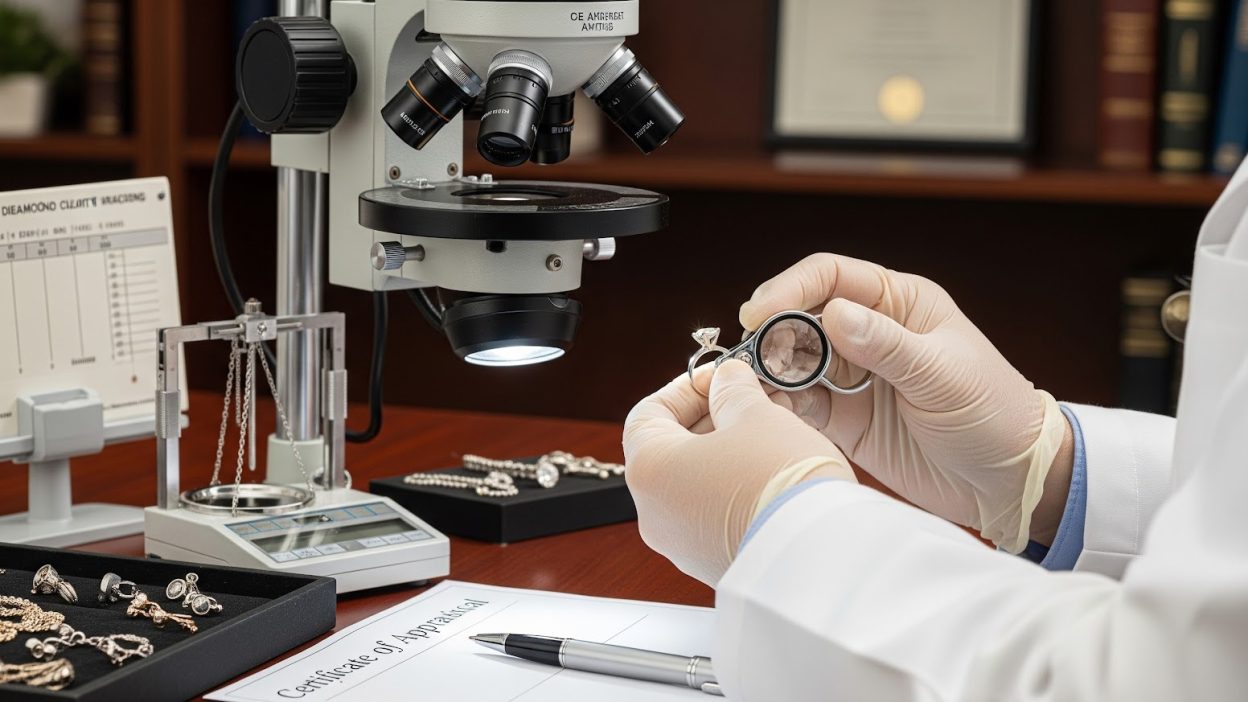
When it comes to protecting your most treasured pieces, knowing how often should jewelry be appraised in a city like yours is one of the most important questions any owner can ask. The answer could mean the difference between full financial recovery after a loss and being left thousands of dollars short. If you own fine jewelry and have not revisited your jewelry appraisal documents in several years, there is a real chance your coverage is dangerously out of date.
This guide walks through why regular re-appraisal matters, how market forces affect what your jewelry is worth today versus what it was worth years ago, and exactly what you need to bring to an appraisal appointment to make the most of it.
Why Outdated Appraisals Put You at Financial Risk
Most jewelry owners assume that once a piece has been appraised, the paperwork is good indefinitely. That assumption can be costly. An appraisal is not a permanent statement of value. It is a snapshot of what a piece would cost to replace at a specific moment in time, based on the materials, craftsmanship, and market conditions that existed when the document was created.
Insurance companies typically recommend getting jewelry re-appraised every two to three years. The reason is straightforward: gold, platinum, diamonds, and colored gemstones fluctuate in price, sometimes dramatically. According to the Gemological Institute of America (GIA), the value of precious metals and gems is influenced by global supply chains, mining output, currency exchange rates, and consumer demand. These forces do not stand still.
Consider gold prices alone. The price of gold has shifted significantly over the past decade, with notable spikes during periods of economic uncertainty. If your yellow gold bracelet was appraised when gold was at one price point and today gold trades substantially higher, your original appraisal document no longer reflects what it would actually cost your insurer to replace that bracelet.
The same applies to diamonds and colored stones. Natural diamonds, sapphires, rubies, and emeralds are subject to supply constraints and changing market tastes. A two-carat sapphire that was valued at a certain figure five years ago may carry a significantly different replacement cost today based on shifts in the colored stone market.
When you file an insurance claim for a lost, stolen, or damaged piece, your insurer will typically pay out based on the most recent documented appraisal. If that document is ten years old and the replacement cost has risen substantially, you will be reimbursed for a fraction of what it would actually take to replace the piece. That gap can easily run into thousands of dollars.
How Market Fluctuations Affect Replacement Value
To understand why re-appraisal is so critical, it helps to look more closely at what drives jewelry value over time.
Precious metals are traded as commodities on global exchanges. Gold, silver, platinum, and palladium all have live spot prices that change daily. A piece with significant metal weight can see its replacement value shift by hundreds or even thousands of dollars within a single year, depending on market conditions.
Diamonds are priced based on the four Cs: cut, color, clarity, and carat weight, but market demand plays a substantial role as well. The Rapaport Diamond Report, an industry pricing benchmark used by professionals worldwide, reflects ongoing changes in wholesale diamond prices. Retail replacement values track these changes over time.
Colored gemstones such as sapphires, rubies, and emeralds are even more subject to volatility because they are not as uniformly graded as diamonds. The origin of a stone, its treatment history, and shifting collector preferences can all cause values to rise or fall considerably between appraisals.
Labor and craftsmanship costs also factor in. Custom or handcrafted pieces require a skilled jeweler to recreate. As skilled labor becomes rarer and overhead costs rise for jewelry manufacturers, the cost of recreating a piece from scratch increases as well.
For all these reasons, the two-to-three-year re-appraisal window recommended by most insurers and professional appraisers is not arbitrary. It is a practical response to the pace at which these underlying values change.
What to Bring to a Jewelry Appraisal Appointment
Walking into an appraisal appointment prepared can make the process faster and more accurate. Here is what you should gather before your visit:
Original purchase receipts or invoices. These help establish provenance and confirm what was paid for the piece, which gives the appraiser useful context even if market values have since changed.
Previous appraisal documents. Bringing older appraisals allows the appraiser to compare the documented characteristics of the piece against its current condition and update the value accordingly. It also creates a historical record.
Gemstone certificates. If your diamonds or colored stones came with grading reports from a laboratory such as the GIA, the American Gem Society (AGS), or another recognized authority, bring those documents. They confirm the precise specifications of the stone and make the appraisal process more straightforward.
Any repair or modification records. If the piece has been resized, re-tipped, or had stones replaced or added since the last appraisal, those changes need to be reflected in the updated document.
The jewelry itself, cleaned if possible. Dirt, oils, and buildup can obscure details that affect value. A quick cleaning before your appointment ensures the appraiser can examine the piece properly.
What a Complete Appraisal Report Should Include
Not all appraisal documents are created equal. A thorough, insurance-grade appraisal should contain:
- A detailed description of the item, including metal type, purity (e.g., 18k gold, 950 platinum), and total metal weight
- The shape, cut, dimensions, carat weight, color grade, and clarity grade for each significant gemstone
- The appraised value stated as retail replacement value (explained below)
- The appraiser’s credentials, signature, and license or certification information
- The date of the appraisal
- Photographs of the piece from multiple angles
If any of these elements are missing from your current appraisal documents, that is a signal the document may not serve you well when you need it most.
Retail Replacement Value vs. Resale Value: A Critical Distinction
One of the most misunderstood aspects of jewelry appraisal is the difference between retail replacement value and resale value. These are not the same figure, and which one appears on your appraisal documents has serious implications for how your insurance claim will be settled.
Retail replacement value is the amount it would cost to purchase an equivalent piece at retail, from a jewelry store, at today’s prices. This is the standard used for insurance appraisals. It represents what you would have to spend to replace the item if it were lost or stolen tomorrow.
Resale value (sometimes called fair market value) is what you could realistically expect to receive if you sold the piece privately or through an estate sale, pawn shop, or auction. This figure is nearly always substantially lower than retail replacement value because it accounts for the dealer’s margin, market demand, and the reality that used jewelry sells for less than new.
The gap between these two figures can be significant. A ring with a retail replacement value of $8,000 might only sell for $2,500 to $3,500 on the secondary market. If your insurance appraisal was written using resale or fair market value, your policy may only pay out the lesser amount after a loss.
This is why it is essential to confirm with your appraiser that the document is written using retail replacement value, and to confirm with your insurer that this is the valuation method your policy uses for payout. According to the Independent Jewelers Organization, many disputes between policyholders and insurers stem from confusion about which valuation standard was used in the appraisal.
If you are unsure about the valuation standard in your existing documents, now is a good time to revisit them alongside your insurance agent.
How Often Should You Schedule a Re-Appraisal?
As a general guideline:
Every two to three years for pieces insured on a scheduled jewelry rider or standalone policy. This keeps your coverage aligned with current replacement costs and satisfies most insurer requirements.
After any significant market event that sharply moves the price of gold, platinum, or diamonds. Even within a two-to-three-year cycle, a dramatic price shift in the underlying materials may warrant an earlier update.
After any repair, modification, or restoration. Any change to the physical piece should be reflected in updated appraisal documentation.
When updating your insurance policy. If you are adding a new item to your policy or switching providers, fresh appraisals for all insured pieces ensure accurate coverage from the start.
Before or after major life events. Inheritance, estate settlement, or gifting of significant pieces are all occasions when accurate, current appraisals protect everyone involved.
Finding a Qualified Appraiser
Not every jeweler is qualified to produce a formal appraisal that will hold up with an insurance company. Look for appraisers who hold credentials from recognized professional organizations such as the GIA (Graduate Gemologist designation), the American Society of Jewelry Appraisers (ASJA), or the American Gem Society (Certified Gemologist Appraiser designation). These credentials indicate the appraiser has completed rigorous training in gem identification, grading, and valuation methodology.
A qualified appraiser should be willing to explain their process, disclose their fee structure upfront (fees should be based on time or a flat rate, never a percentage of the appraised value), and provide a thorough written report.
Wrapping It All Up: Why Regular Appraisals Are Worth the Effort
Keeping your jewelry appraisals current is one of the simplest and most effective ways to protect the financial value of pieces that often carry deep personal significance as well. The cost of a professional re-appraisal is modest compared to the potential gap between an outdated document and what it would actually cost to replace a beloved piece today.
Most people do not think about this until after a loss. At that point, the conversation with an insurance adjuster can be discouraging if the paperwork does not reflect what the piece is truly worth in today’s market. Staying ahead of that situation with regular re-appraisals, current documentation, and a clear understanding of how your policy works is the responsible approach for any jewelry owner.
If you are ready to schedule a jewelry appraisal or simply want to understand more about the process, connecting with a certified professional in your area is the best first step.
Frequently Asked Questions
Q: How often should jewelry be appraised for insurance purposes? A: Most insurance companies and professional appraisers recommend re-appraising insured jewelry every two to three years. This ensures the documented replacement value stays current with market conditions, including fluctuations in gold, platinum, and gemstone prices.
Q: Is the value on my appraisal the same as what I would get if I sold the piece? A: No. Insurance appraisals are typically written at retail replacement value, which represents what it would cost to replace the item at a jewelry store today. Resale or fair market value is usually significantly lower and reflects what you could realistically sell the piece for on the secondary market.
Q: What happens if my jewelry appraisal is outdated when I file a claim? A: Your insurance company will typically base the payout on the most recent appraisal on file. If that document is several years old and replacement costs have increased, you may receive less than it actually costs to replace the piece. This is why keeping appraisals current is so important.
Q: Do I need a new appraisal if I have the original receipt? A: A receipt establishes what you paid at the time of purchase, but it does not reflect current replacement costs. For insurance purposes, a formal appraisal written by a qualified professional and dated within the last two to three years is the appropriate documentation.
Q: What credentials should a jewelry appraiser have? A: Look for appraisers with recognized professional designations such as Graduate Gemologist (GIA), Certified Gemologist Appraiser (American Gem Society), or membership in the American Society of Jewelry Appraisers. These credentials indicate formal training in gem identification, grading, and valuation. Avoid any appraiser who charges a fee based on a percentage of the appraised value, as this creates a conflict of interest.
Q: Can I get a jewelry appraisal and insurance appraisal at the same time? A: Yes. When you visit a qualified appraiser and request an insurance appraisal, they will prepare a document written at retail replacement value, which is exactly what your insurer needs. Just be sure to confirm with your insurance agent that the document format meets their specific requirements before your appointment.