Atlanta’s spring and summer storm seasons are no joke. Thunderstorms roll through the metro area with little warning, dumping inches of rain in a matter of hours while simultaneously knocking out power to thousands of homes. For homeowners with basements or crawl spaces, this creates a dangerous situation: a sump pump power outage in Atlanta, GA strikes at the exact moment the pump is needed most. If your primary sump pump loses power during a heavy downpour, groundwater can overwhelm the pit and flood your basement within minutes.
The good news is that reliable backup solutions exist for every budget and home type. A professional sump pump installation that incorporates a backup system can mean the difference between a dry basement and thousands of dollars in water damage. This guide covers every major backup option available to Atlanta homeowners, how to size that backup correctly, and the seasonal maintenance steps that ensure everything works when a storm hits.
Why Atlanta Homeowners Face Unique Risks
Atlanta sits on a mix of clay-heavy soils and weathered granite, both of which drain poorly during heavy rain events. The city averages around 50 inches of rainfall per year, much of it concentrated in intense spring and summer thunderstorms that can drop two to three inches of rain in under an hour. Neighborhoods in low-lying areas, including parts of Sandy Springs, Smyrna, and the South Atlanta suburbs, are particularly prone to rapid groundwater rise.
According to the Georgia Environmental Protection Division, stormwater runoff is one of the leading contributors to basement flooding in the metro region. When that runoff combines with a power outage, a sump pump that was working perfectly becomes completely useless without a backup system in place.
Battery Backup Sump Pump Systems
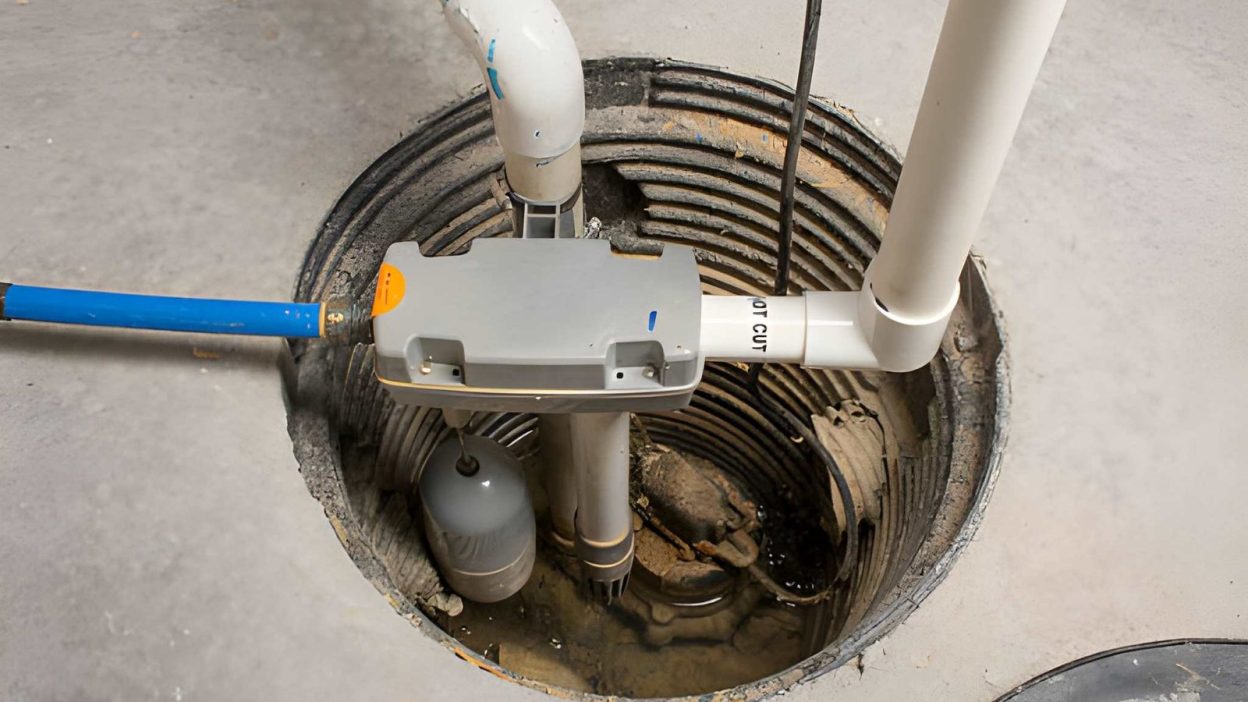
A battery backup sump pump is the most popular and widely recommended solution for Atlanta homeowners. These systems consist of a secondary pump installed alongside the primary pump in the same sump pit, connected to a dedicated marine-grade or sealed lead-acid battery. When utility power fails, the backup unit activates automatically.
How They Work
The backup pump is powered by a 12-volt DC battery that is kept charged by a trickle charger connected to household current. During normal operation, you never notice it. The moment power is cut, the battery takes over and the backup pump continues moving water out of the pit.
Pros of Battery Backup Systems
Battery backup units are self-contained and require no fuel or running water. They activate instantly with no manual intervention. Most modern units include alarm systems that alert homeowners when the battery is low, when the pump activates, or when the water level rises above a set point. Quality systems from brands like Basement Watchdog or Wayne offer run times of six to twelve hours depending on how hard the pump cycles, which is typically enough to outlast most Atlanta storm outages.
Cons of Battery Backup Systems
Batteries degrade over time and generally need replacement every three to five years. During an extended outage or a prolonged heavy rain event, a fully discharged battery may leave you without protection before power is restored. Lithium-ion battery backup systems last longer but carry a significantly higher upfront cost. The American Red Cross recommends that homeowners test their backup systems at least twice a year to confirm the battery holds a charge and the pump activates correctly.
Water-Powered Backup Sump Pumps
A water-powered backup pump uses municipal water pressure rather than electricity to remove water from the sump pit. These units connect directly to the home’s water supply line and operate on a venturi principle: pressurized water flowing through the pump creates suction that pulls groundwater up and out of the pit.
Pros of Water-Powered Systems
Water-powered pumps have no batteries to replace and no mechanical components likely to wear out. They can run indefinitely as long as municipal water pressure is maintained, which is usually the case even during power outages. They are an excellent fit for vacation homes or properties where the owner may not be present during a storm.
Cons of Water-Powered Systems
Water-powered pumps require adequate municipal water pressure, typically at least 40 PSI, to function properly. Homes on well water cannot use them at all. They use a significant volume of municipal water while operating, which adds to the water bill and may be restricted during drought conditions. Pumping capacity is also lower than most battery-powered units, making them less effective during extreme rainfall events. They are not a recommended primary backup solution for Atlanta homes with high groundwater infiltration rates.
Portable Generators as a Backup Power Source
A portable generator is a versatile option that powers not just the sump pump but other household systems during an outage. However, sizing the generator correctly is critical.
How to Size a Generator for Your Sump Pump
Sump pumps have two wattage figures to consider: running watts and starting watts. Starting watts, sometimes called surge watts, can be two to three times higher than running watts for a fraction of a second when the motor kicks on. A typical 1/3 horsepower residential sump pump draws around 800 running watts but may require 1,300 to 1,500 starting watts to start the motor. A 1/2 horsepower pump may need 2,150 starting watts or more.
When choosing a generator, add up the running wattage of everything you plan to power simultaneously, then confirm the generator’s peak or surge rating exceeds the highest single starting load. For most Atlanta homeowners running a sump pump plus a few lights and a refrigerator, a 3,500 to 5,000 watt generator is a practical starting point. Resources like the U.S. Department of Energy’s generator sizing guide provide additional guidance on calculating total electrical load.
Generator Safety Reminders
Generators must never be operated indoors or in an attached garage. Carbon monoxide poisoning is a serious risk. Always run a generator at least 20 feet from any window, door, or vent, and use a carbon monoxide detector inside the home. Connect the sump pump to the generator using a properly rated extension cord or, ideally, through a transfer switch installed by a licensed electrician.
Sizing a Backup Battery to Match Your Primary Pump
If you choose a battery backup pump rather than a generator, matching the battery capacity to your pump’s workload matters. A standard Group 27 or Group 29 marine battery provides enough capacity for most residential applications. The battery should be rated at 75 to 100 amp-hours for a 1/3 horsepower backup pump.
Keep in mind that a backup pump running frequently during a heavy storm will drain the battery faster. If your pit fills quickly and the pump cycles every two to three minutes, even a high-capacity battery may last only four to six hours. For homes in flood-prone areas of Atlanta, some homeowners install two batteries wired in parallel to double run time.
Seasonal Maintenance Checklist for Atlanta Homeowners
Running through this checklist before each storm season, ideally in late February or early March before spring rains arrive, helps ensure both the primary and backup systems are ready.
Primary Pump Inspection
Check that the float switch moves freely without obstruction. Pour a bucket of water into the pit to confirm the pump activates and discharges properly. Inspect the discharge line for any blockages, ice damage from winter, or loose connections. Confirm the check valve is functioning so water does not flow back into the pit when the pump shuts off.
Backup System Inspection
Test the backup pump by unplugging the primary pump and pouring water into the pit. The backup unit should activate within seconds. Check the battery’s charge level using the charger’s indicator or a multimeter. If the battery is more than three years old, consider proactive replacement before storm season begins. Clean any corrosion from battery terminals.
Discharge Line Check
Confirm that the discharge line exits the home and terminates at least ten feet from the foundation, sloping away from the house. Discharge lines that empty too close to the foundation can recirculate water back into the pit, forcing the pump to run continuously.
Alarm and Alert Testing
If your system includes a high-water alarm or a smart monitor, test the alert function and verify that any connected app notifications are working correctly. Services like MySump or similar smart pump monitors can send text alerts when the backup activates, which is especially useful for homeowners who travel.
Annual Professional Check
A licensed plumber can inspect the pump motor, verify amperage draw, and assess whether the unit is nearing end of life. Most residential sump pumps last seven to ten years. Proactive replacement before failure avoids emergency situations during a storm.
Wrapping It All Up: Protecting Your Home Before the Next Storm
Atlanta’s storm season does not wait for homeowners to be prepared. A sump pump power outage in Atlanta, GA can go from inconvenient to catastrophic in less than an hour if no backup system is in place. Battery backup pumps offer the most reliable automatic protection for most homes, while water-powered systems suit properties with consistent municipal pressure and lower infiltration rates. Portable generators provide the most flexibility but require proper sizing and safe operation practices.
Whatever backup option fits your home and budget, pairing it with a consistent seasonal maintenance routine is what separates homeowners who stay dry from those who don’t. Run through the checklist above before every spring storm season, replace aging batteries and pumps proactively, and make sure your discharge line is clear and properly routed.
For Atlanta homeowners who want a professional evaluation of their current setup or are considering a new installation, you can find local sump pump specialists by searching plumbing services in Atlanta, GA to connect with experienced local professionals.
Frequently Asked Questions
1. How long will a battery backup sump pump run during a power outage?
Run time depends on battery capacity and how often the pump cycles. A fully charged Group 27 marine battery powering a standard backup pump can last six to twelve hours under moderate load. During heavy rain when the pump cycles frequently, run time may drop to four to six hours. Installing a second battery in parallel can effectively double run time.
2. Can I use a water-powered backup sump pump if I have well water?
No. Water-powered backup pumps require municipal water pressure, typically 40 PSI or higher, to operate. Homes on private well systems must rely on battery backup pumps or a generator to power the primary pump during an outage.
3. What size generator do I need to run a sump pump?
For a standard 1/3 horsepower sump pump, look for a generator rated at a minimum of 1,500 starting watts, though 3,500 watts or more is recommended if you also want to power a refrigerator and basic lighting simultaneously. Always check your specific pump’s motor nameplate for its rated amperage and calculate actual wattage before purchasing.
4. How often should I test my backup sump pump?
Twice a year is the general recommendation, with one test in late winter before spring storm season and another in early fall. Testing involves unplugging the primary pump and pouring water into the pit to confirm the backup activates properly and the battery holds a sufficient charge.
5. How do I know if my sump pump battery needs to be replaced?
Most battery backup chargers include an indicator light or gauge that shows battery health. If the indicator shows a low or failing charge after a full charging cycle, the battery likely needs replacement. Batteries more than three to five years old should be proactively replaced before storm season regardless of indicator readings, as capacity degrades gradually and failures often occur without clear warning.