Every year, thousands of Ohio homeowners face one of the most stressful and expensive disasters a household can experience: raw sewage backing up into the basement. What makes this situation especially difficult is that it rarely happens without warning. The signs of sewer backup in Ohio homes are often present days or even weeks before the actual flood occurs, but most people do not recognize them until it is too late. Understanding these early red flags can mean the difference between a quick fix and a full-scale sewage clean-up involving hazardous waste removal, structural drying, and expensive repairs.
This guide walks you through five critical warning signs, explains the serious health risks involved, and covers what homeowners should know about insurance coverage before disaster strikes.
Why Sewer Backups Are a Serious Threat in Ohio
Ohio’s aging sewer infrastructure, combined with heavy rainfall and ground movement from freeze-thaw cycles, makes sewer backups more common here than in many other states. Municipal sewer lines can become overwhelmed during storms, and private lateral lines connecting homes to the city main are frequently affected by root intrusion, grease buildup, and pipe deterioration.
According to the U.S. Environmental Protection Agency, sanitary sewer overflows can occur for a variety of reasons including blockages, pipe defects, and excess stormwater infiltration. When they happen, the results can be devastating for homeowners who are unprepared.
Warning Sign 1: Multiple Slow Drains Throughout the House
One of the most misunderstood early indicators involves slow drains. When a single drain in your home is slow, it almost always points to a localized clog in that specific fixture or drain line. This is common and easy to fix.
However, when multiple drains throughout your home are slow at the same time, this is a completely different situation. If your kitchen sink, bathroom sink, shower, and laundry drain are all draining sluggishly, the problem is almost certainly in the main sewer line, not in individual fixtures. All of these drains ultimately connect to a single lateral line that runs from your home to the city sewer system. When that main line is partially blocked or compromised, every fixture connected to it will be affected.
This distinction is critical. Treating a mainline blockage as though it were a simple sink clog will not solve the problem and may allow conditions to worsen. If you notice this pattern, it is time to call a licensed plumber for a professional camera inspection of your sewer line.
Warning Sign 2: Gurgling Sounds From Drains and Toilets
Unusual gurgling or bubbling sounds coming from your drains or toilet are a sign that air is trapped in your plumbing system. Under normal conditions, water flows through your pipes and air moves freely through vent stacks that exit through your roof. When the main sewer line is blocked or partially obstructed, air cannot escape properly and instead gets pushed back through the nearest available opening, which is usually a drain or toilet.
You may notice gurgling after flushing a toilet, running a dishwasher, or doing laundry. In some cases, water may even bubble up briefly in your toilet bowl or tub when you run another appliance. These sounds should never be ignored. They are the plumbing system communicating that something is wrong downstream.
The American Society of Home Inspectors notes that unusual drain sounds are among the most common and overlooked signs of developing sewer system problems.
Warning Sign 3: Water Backing Up Into Fixtures
If you flush a toilet and water backs up into a nearby bathtub or shower, this is a strong indicator of a mainline sewer problem. The same applies if running your washing machine causes water to rise in a floor drain, or if water comes up in the basement sink when another fixture is used elsewhere in the house.
This cross-fixture backup occurs because wastewater has nowhere to go when the main line is blocked. It follows the path of least resistance and rises through whatever low-lying drain is available. Basement floor drains are especially vulnerable because they sit at the lowest elevation in the system.
At this stage, the sewer backup is no longer a future risk. It is actively happening, and every additional use of water in the home is making the situation worse. Turn off water use immediately and contact a plumber.
Warning Sign 4: Foul Odors From Drains
A properly functioning plumbing system uses water-filled P-traps beneath every drain to create a seal that prevents sewer gases from entering the home. When sewer gases are present and detectable indoors, it means those traps are either dry, damaged, or being overwhelmed by pressure from a blocked line.
Sewer gas contains hydrogen sulfide, ammonia, methane, and other compounds. The odor is often described as similar to rotten eggs or sulfur. Beyond being unpleasant, sewer gas exposure can cause headaches, nausea, and dizziness. In enclosed spaces, methane gas can also present a fire or explosion risk at high concentrations.
If you notice persistent sewage odors in your basement, bathroom, or laundry room without an obvious source, treat it as an urgent warning sign. Do not attempt to mask the odor with air freshener. Investigate the cause or have a plumber inspect the system.
Warning Sign 5: Wet Spots, Lush Patches, or Sinkholes in the Yard
Sewer problems do not always announce themselves from inside the house first. If the lateral sewer line running beneath your yard has cracked or collapsed, the leaking sewage can saturate the surrounding soil. This often appears as unexplained wet patches in the yard even during dry weather, unusually green or lush sections of grass (sewage acts as a fertilizer), or in more serious cases, small depressions or sinkholes forming above the buried pipe.
These outdoor symptoms suggest that the damage to the sewer line is already significant. Left unaddressed, a broken lateral line will eventually lead to a complete blockage and full sewage backup into the home. A video camera inspection by a licensed plumber is the most reliable way to diagnose this type of problem.
The Health Hazards of Sewage Exposure
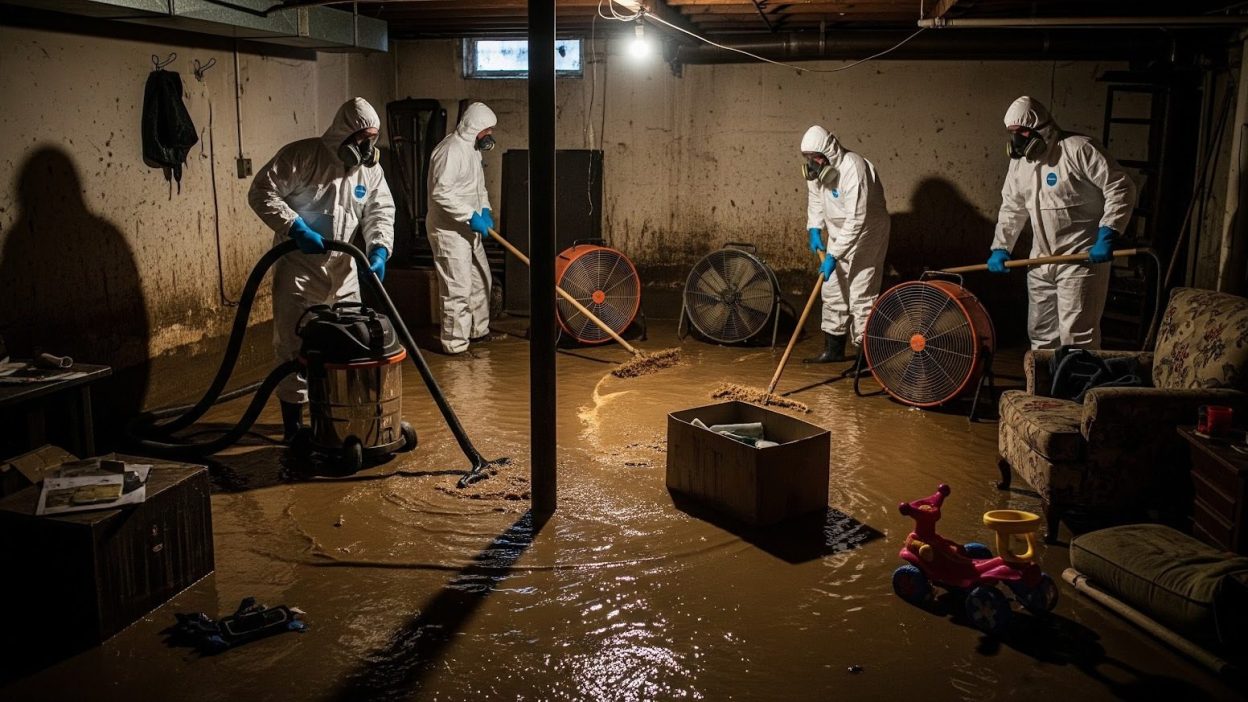
If sewage does back up into your home, the health risks are immediate and serious. Sewage contains pathogens including E. coli, Salmonella, Hepatitis A, norovirus, and Cryptosporidium. Contact with raw sewage or surfaces it has contaminated can cause gastroenteritis, skin infections, respiratory issues, and in severe cases, more serious systemic illness.
The Centers for Disease Control and Prevention classifies sewage-contaminated water as Category 3 water, also referred to as black water. This is the most hazardous classification in water damage restoration. Cleanup of Category 3 water requires proper personal protective equipment, professional-grade antimicrobials, and in many cases, removal and disposal of affected porous materials such as drywall, insulation, and flooring.
Homeowners should not attempt to clean up sewage backups themselves. If sewage has entered your basement, evacuate the area, avoid contact with the contaminated water, and keep children and pets away. Contact a certified water damage restoration professional as soon as possible.
How Sewer Backup Insurance Works
One of the most important financial realities Ohio homeowners need to understand is that standard homeowners insurance policies do not cover sewer backup damage. This exclusion surprises many people after a loss, when it is too late to do anything about it.
Sewer backup coverage must be added to a standard policy as a separate endorsement or rider. This optional add-on typically costs between $40 and $250 per year depending on the insurer and the coverage limits selected. Given that a single sewage backup event can result in losses of $10,000 to $30,000 or more, this endorsement is widely considered one of the most valuable optional coverages available to homeowners.
When reviewing your policy, look specifically for language related to “water backup” or “sewer and drain backup” coverage. Confirm the coverage limits, deductible, and whether the policy covers both cleanup costs and structural repairs. If your home has a history of basement flooding or is located in an area with older sewer infrastructure, this coverage is especially important.
For more information on water backup endorsements, the Insurance Information Institute provides a clear breakdown of what standard policies cover and what requires additional protection.
Final Thoughts: Acting Early Makes All the Difference
Recognizing the warning signs of a sewer backup gives Ohio homeowners a critical window of opportunity to address the problem before it becomes a full-scale disaster. Multiple slow drains, gurgling sounds, cross-fixture backups, persistent sewer odors, and unusual yard conditions are all signals that something is wrong in the main sewer line.
Acting promptly at the first sign of a problem can mean the difference between a $300 drain cleaning and a $25,000 sewage remediation project. Review your homeowners insurance policy to confirm whether you have sewer backup coverage, schedule regular sewer line inspections especially if your home is more than 30 years old, and know when to call for professional help.
If you are already dealing with a backup or suspect sewage has entered your home, find a certified sewage clean-up professional in your area who can assess the situation safely and begin the remediation process.
Frequently Asked Questions
Q1: What is the most common cause of sewer backups in residential homes?
The most common causes include tree root intrusion, grease buildup, pipe deterioration, and municipal system overloads during heavy rainfall. In Ohio, freeze-thaw ground movement also contributes to pipe cracking over time.
Q2: Can I use my drains if I suspect a sewer backup is developing?
No. If you notice multiple slow drains, gurgling, or cross-fixture backups, stop all water use immediately. Every flush or appliance cycle adds more water to a compromised system and increases the risk of sewage entering the home.
Q3: How long does sewage cleanup take after a basement backup?
Minor incidents may be resolved in two to three days. Significant backups involving saturated flooring, drywall, or insulation can require one to two weeks for full remediation, drying, and reconstruction.
Q4: Does homeowners insurance cover sewer backup damage?
Standard homeowners insurance typically excludes sewer backup damage. Coverage is available as an optional endorsement. Homeowners should review their policies and add this coverage if it is not already in place.
Q5: When should I call a professional versus trying to clear a drain myself?
If only a single drain is slow with no other symptoms, a basic drain snake may help. However, multiple slow drains, gurgling sounds, or water backing up into fixtures all point to a mainline problem requiring a licensed plumber and sewer camera inspection.