
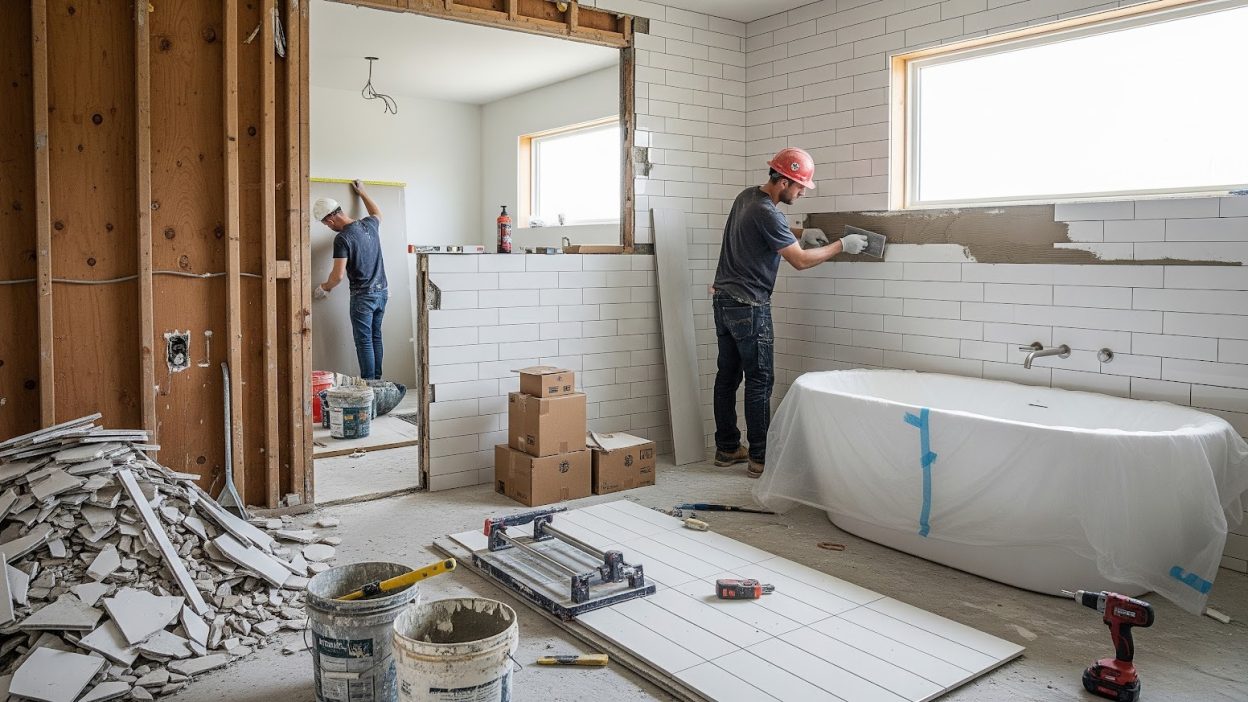
If you have been putting off updating your bathroom because you dread weeks of construction chaos, you are not alone. One of the top concerns homeowners have before starting a renovation is not knowing when it will end. Understanding a realistic bathroom remodel timeline in San Antonio, TX (or wherever you are located) can make all the difference between paralysis and progress. Whether you are planning a cosmetic refresh or a full gut renovation, this guide walks you through what to expect week by week, what causes delays, and how a disciplined contractor schedule can compress the entire process.
For homeowners ready to get started, learning more about bathroom remodeling services can help you understand scope, pricing, and what a professional process looks like from day one.
What Is a Realistic Bathroom Remodel Timeline?
Most full bathroom remodels take between three and six weeks from demolition to final punch list. Smaller cosmetic updates (new fixtures, paint, vanity swap) can be completed in one to two weeks. Large primary suite bathrooms with custom tile work, new plumbing layouts, and structural changes can stretch to eight weeks or more.
The National Kitchen and Bath Association (NKBA) notes that planning and design should begin well before any physical work starts, and that the construction phase typically runs two to four weeks for a standard bathroom. The more accurate your upfront planning, the tighter that window becomes.
Phase-by-Phase Breakdown: What Happens and When
Understanding each phase helps you anticipate disruptions and plan around them.
Week 1: Demolition
Demo day is usually the fastest phase and the most satisfying. Crews remove tile, drywall, fixtures, flooring, and sometimes the subfloor depending on water damage or rot. A standard bathroom demo typically takes one to two days.
How it affects livability: This is when dust, noise, and temporary loss of the bathroom are at their peak. If you only have one bathroom in the home, make arrangements for showering elsewhere. Many homeowners use a gym membership, a neighbor, or a portable setup during this phase.
Week 1 to 2: Rough-In Work (Plumbing, Electrical, HVAC)
After demo, tradespeople move in to rough in or reconfigure plumbing drain lines, supply lines, electrical circuits, exhaust fans, and any radiant floor heating. This phase is most dependent on permit inspections. Inspectors must approve rough-in work before walls can be closed.
According to the International Residential Code, bathroom electrical circuits, GFCI protection, and ventilation requirements must meet code before any concealed work is covered. Scheduling an inspection can add two to five business days depending on your municipality.
How it affects livability: The bathroom remains non-functional. Noise levels are moderate. This phase requires patience more than anything else.
Week 2 to 3: Backer Board, Waterproofing, and Tile
Once inspections are passed and walls are closed, the focus shifts to backer board installation, waterproofing membranes, and tile work. Tile is often the most time-consuming phase because it requires precision, drying time between layers, and grouting as a separate step.
A shower installation with custom tile patterns can take three to five days for a skilled installer. Standard subway tile in a tub surround can be done in two days. Grout typically needs 24 to 72 hours to cure before it can be sealed or exposed to water, per manufacturer guidelines from companies like LATICRETE.
How it affects livability: The bathroom is still non-functional but the visual progress is significant. Homeowners often feel more encouraged during this phase because they can see the finished product taking shape.
Week 3 to 4: Fixture and Vanity Installation
With tile complete, plumbers and electricians return for their “trim out” phase. This includes installing the toilet, shower valve, shower head, faucets, sink, vanity, mirror, lighting, exhaust fan, and any accessories.
This phase moves quickly when all materials are on-site. A standard fixture installation takes one to two days. Vanity installation with a new countertop and undermount sink may take an additional half day.
How it affects livability: The bathroom becomes functional, often partway through this phase. Running water and a working toilet restore a significant amount of normalcy to the household.
Week 4 to 5: Finish Work and Punch List
The final phase covers painting, caulking, trim installation, mirror hanging, towel bars, door hardware, and a complete quality walkthrough. The punch list is a written record of every small item that needs correction before the project is considered complete.
This phase is often underestimated. Even a single improperly caulked seam or a crooked towel bar can become a moisture or aesthetic problem over time. A thorough punch list protects the homeowner and ensures the contractor stands behind their work.
The Top Three Factors That Extend a Bathroom Remodel Timeline
Even the best-planned project can hit delays. Here are the three most common culprits.
1. Permit Delays
In most cities and counties, a bathroom remodel that involves moving plumbing or electrical requires a permit. Permit processing times vary widely, from same-day over-the-counter issuance in some jurisdictions to three to four weeks in high-volume municipalities.
The fix: Apply for permits before demolition begins, not after. A contractor who pulls permits proactively rather than reactively can shave a week or more off the timeline. Always confirm that your contractor is licensed and will handle permitting on your behalf.
2. Custom Tile and Material Lead Times
Standard tile from a local supplier can be available within days. Custom imported tile, specialty stone slabs, or made-to-order vanities can take four to twelve weeks to arrive. If these items are not ordered before demolition begins, the project stalls while waiting on materials.
The fix: Finalize all material selections before the project start date. A good contractor will provide a material list and confirm lead times before scheduling the job.
3. Hidden Water Damage Behind Walls
Water damage is the most unpredictable factor in any bathroom remodel. Once walls come down, it is not uncommon to find rot in the subfloor, mold on the studs, or failed waterproofing in the shower area. Remediating this damage is necessary, non-negotiable, and adds time and cost.
According to the Environmental Protection Agency, mold can begin growing on wet materials within 24 to 48 hours, meaning that a slow leak behind a shower wall for even a few months can cause significant structural damage. Homeowners in older homes or those with a history of leaks should budget extra time for discovery and remediation.
How a Consistent Daily Schedule Compresses the Timeline
One of the biggest reasons bathroom remodels drag on is inconsistent crew availability. Many contractors juggle multiple projects simultaneously, meaning your bathroom gets worked on two or three days a week instead of five. A job that should take three weeks can stretch to six simply due to sporadic scheduling.
A contractor who commits to showing up every working day from start to finish changes the math entirely. When crews are on-site daily from morning until late afternoon, each phase flows into the next without gaps. Inspections get scheduled and passed on time. Materials are ready when needed. The homeowner is not left wondering when someone will show up next.
This approach also creates better communication. Daily presence means questions get answered same day, problems get resolved immediately, and the homeowner always knows where the project stands.
The difference between a two-week job and a four-week job is often not the scope of work. It is the consistency of effort applied to that work each day.
How to Prepare for a Smooth Bathroom Remodel
Preparation on the homeowner’s side is just as important as contractor scheduling. Remove all personal items from the bathroom before demolition begins and clear a path for material delivery and debris removal. If the bathroom being remodeled is your only full bathroom, arrange alternative facilities in advance.
Establish a clear line of communication with your contractor, including a written scope of work and a project schedule with milestones. Finally, build a contingency budget of 10 to 20 percent above your base estimate. Surprises happen, and having that buffer prevents financial stress from compounding the disruption of construction.
Wrapping It All Up: What a Realistic Timeline Looks Like
A well-run bathroom remodel in a typical residential home takes three to five weeks from demolition to final walkthrough. That timeline assumes permits are pulled in advance, materials are ordered before the project begins, no major hidden damage is discovered, and crews work consistently throughout the week. Knowing what causes delays and choosing a contractor with a structured daily schedule are the most powerful things a homeowner can do to finish on time and on budget. The disruption is real but temporary. With realistic expectations and the right team, a bathroom remodel is one of the most rewarding home improvements you can make.
If you are ready to move forward, connecting with a trusted local bathroom remodeling contractor in your area is a great first step toward turning your vision into a completed project.
Frequently Asked Questions
Q: How long does a full bathroom remodel typically take from start to finish? A: Most full bathroom remodels take between three and five weeks when all materials are on hand, permits are secured in advance, and crews work consistently. Larger or more complex projects with custom materials can take six to eight weeks.
Q: Can I still use my bathroom during a remodel? A: Generally, no. Once demolition begins, the bathroom is non-functional until plumbing and fixtures are reinstalled, typically around week three or four. Homeowners with a single bathroom should arrange alternative facilities before work begins.
Q: What is the most common reason bathroom remodels go over schedule? A: The most common causes are permit delays, material back-orders (especially custom tile or specialty vanities), and hidden water damage discovered during demolition. Planning ahead and ordering materials early can prevent most overruns.
Q: Does moving plumbing always require a permit? A: In most jurisdictions, yes. Any work that relocates drains, supply lines, or electrical circuits requires a permit and inspection. Working without a permit can create problems during home sales and may result in having to redo the work. Always confirm requirements with your local building department or licensed contractor.
Q: How do I know if my contractor is keeping the project on schedule? A: Request a written project schedule with milestones at the start of the job. Ask for regular updates and establish upfront how changes to the schedule will be communicated. A contractor who shows up consistently every day and communicates proactively is far more likely to finish on time.
Q: Is there a best time of year to remodel a bathroom? A: Bathroom remodels can happen year-round since the work is interior. Scheduling during late fall or winter can sometimes mean faster permit processing and more focused crew availability.