St. Louis homeowners planning a siding upgrade often find themselves stuck between two leading materials: vinyl and fiber cement. The debate over vinyl siding vs fiber cement siding in St. Louis, MO is more than just a matter of aesthetics. It comes down to how each material performs in Missouri’s demanding climate, what it costs over time, and how well it protects a home from the storms that roll through the region each year. If you are weighing your options, professional siding installation services in St. Louis can help you evaluate what makes the most sense for your specific home and budget.
Both materials are widely used across the country, but local conditions play a significant role in long-term performance. This guide breaks down everything St. Louis homeowners need to know before making a final decision.
Understanding the Two Materials
What Is Vinyl Siding?
Vinyl siding is made from polyvinyl chloride (PVC) and has been the most popular residential siding material in the United States for several decades. It is lightweight, available in a wide range of colors and profiles, and generally easier to install than heavier alternatives. Modern vinyl products often come with an insulated backing that improves thermal performance.
What Is Fiber Cement Siding?
Fiber cement siding is a composite material made from cement, sand, and cellulose fibers. Brands like James Hardie have made it one of the fastest-growing siding categories in the country. It mimics the look of wood very convincingly, is significantly heavier than vinyl, and requires more labor-intensive installation. Fiber cement is prized for its rigidity, fire resistance, and ability to hold paint for extended periods.
How Each Material Handles St. Louis Weather
St. Louis sits in a climate zone that combines hot, humid summers with cold winters and a significant freeze-thaw cycle. The region also sees severe thunderstorms, occasional large hail, and ice storms. These conditions matter a great deal when choosing siding.
Summer Heat and Humidity
Missouri summers regularly push temperatures above 90 degrees Fahrenheit, accompanied by high relative humidity. Vinyl siding can expand and contract with temperature swings, and in extreme heat, lower-quality vinyl may warp or buckle if it is nailed too tightly or if it absorbs excess heat from dark paint colors. Premium vinyl products have improved significantly in this regard, but it remains a consideration.
Fiber cement handles heat and humidity with greater stability. Because it does not expand and contract as dramatically as PVC, it maintains its shape more reliably through summer extremes. However, fiber cement is porous and can absorb moisture if its paint or finish layer is compromised, which makes proper installation and maintenance critical in a humid climate like St. Louis.
Freeze-Thaw Cycles
Missouri winters bring repeated cycles of freezing and thawing, which can be hard on many building materials. Vinyl becomes more brittle in cold temperatures, and a strong impact during a winter storm can crack panels that would otherwise flex under warmer conditions.
Fiber cement, because of its cement base, resists the effects of freeze-thaw cycling well. It does not crack or shift the way some materials do when water infiltrates and expands. This gives fiber cement a notable edge in durability during St. Louis winters, provided the surface coating is maintained to prevent moisture intrusion.
According to the U.S. Department of Energy, the thermal envelope of a home plays a major role in overall energy performance, and siding choice is one component of that system.
Cost Comparison: Upfront Price vs. Lifetime Value
Initial Installation Costs
Vinyl siding is consistently the more affordable option at the time of installation. Nationally, vinyl siding typically ranges from $3 to $7 per square foot installed, depending on the product grade and profile. Fiber cement siding generally runs between $6 and $13 per square foot installed, with the higher cost driven largely by increased material weight, specialized tools, and longer installation time.
For an average St. Louis home with approximately 1,500 square feet of siding surface, that difference can translate to a gap of several thousand dollars in upfront costs.
Long-Term Value and Maintenance
While vinyl costs less upfront, it is worth looking at the full picture. Fiber cement siding, when properly maintained, can last 30 to 50 years. Vinyl siding typically carries warranties of 25 to 40 years, though its actual lifespan depends on product quality and exposure conditions.
Vinyl’s biggest advantage in terms of ongoing costs is that it requires virtually no painting. The color is baked into the material, so periodic cleaning is usually all that is needed. Fiber cement, by contrast, must be repainted every 10 to 15 years to maintain its protective coating and appearance. This adds to the total cost of ownership over time.
Insulated Vinyl and Energy Efficiency
One area where vinyl has gained significant ground is energy efficiency. Insulated vinyl siding includes a layer of rigid foam backing that improves the wall’s R-value, reducing heat transfer through the wall assembly. The Vinyl Siding Institute has published research showing that insulated vinyl siding can meaningfully reduce heating and cooling costs compared to traditional siding products.
For St. Louis homeowners dealing with both summer cooling loads and winter heating demands, insulated vinyl can offer real savings over time that help offset its lower upfront price advantage.
Storm Damage, Hail, and Insurance Considerations
St. Louis sits in a region prone to severe thunderstorms, and hail is a recurring concern. Understanding how each material responds to storm damage can affect both your repair costs and your homeowners insurance situation.
Vinyl and Hail Damage
Vinyl siding can crack or dent when struck by large hail, particularly in cold weather when the material is more brittle. Repairs are relatively straightforward since individual panels can be replaced without affecting the surrounding area. However, matching older vinyl siding in terms of color and profile can be difficult if the original product has been discontinued.
Most homeowners insurance policies cover hail damage to siding, and vinyl is generally easy to assess and document for claims. The Insurance Information Institute notes that wind and hail are among the most common causes of homeowners insurance claims in the United States.
Fiber Cement and Storm Resistance
Fiber cement performs very well against hail and wind-driven debris. It does not crack or dent as easily as vinyl, and its structural rigidity means it holds up better under impact. James Hardie and similar manufacturers rate their products for high-wind environments, and some fiber cement products carry impact resistance certifications that may be relevant to insurance discounts in storm-prone areas.
The tradeoff is that if fiber cement is damaged, repairs are more labor-intensive and costly. Matching color and texture can also be a challenge depending on how long the original siding has been in place.
Insurance Implications
Some insurance carriers recognize the durability of fiber cement and may offer modest premium discounts for homes with impact-resistant siding. Homeowners considering a full siding replacement in St. Louis should consult with their insurance agent about whether the choice of material could affect their coverage or premium rates.
Aesthetic Options and Curb Appeal
Both materials offer a wide range of styles, but they differ in their aesthetic capabilities.
Vinyl siding is available in dozens of profiles including lap siding, dutch lap, board and batten, and shakes. Color options are extensive, though dark colors can absorb more heat and contribute to the warping issues mentioned earlier.
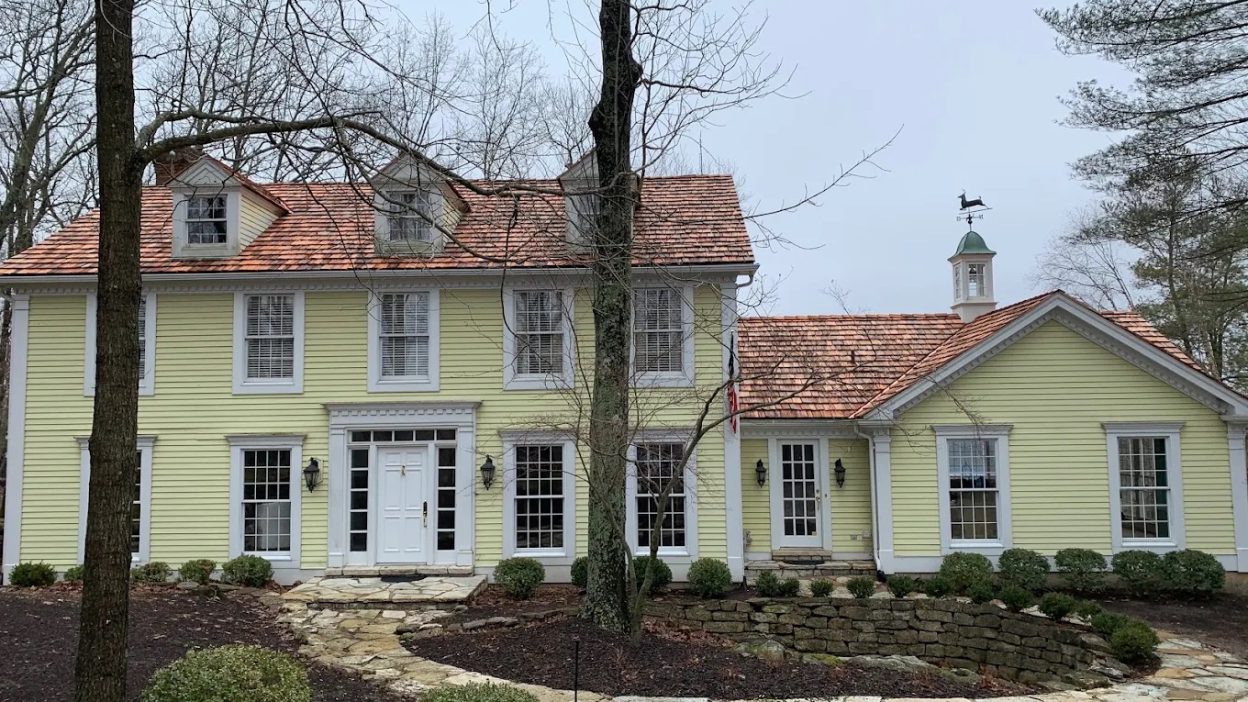
Fiber cement is widely regarded as the superior option for homeowners who want the appearance of wood without the maintenance that real wood demands. Its texture and finish options closely replicate painted wood siding, cedar shingles, and even stone in some applications. For St. Louis neighborhoods with older architectural character, fiber cement often integrates more naturally with existing home styles.
Environmental Considerations
Vinyl siding is made from PVC, a petroleum-derived plastic, which raises some environmental concerns around manufacturing and disposal. It is not biodegradable and is difficult to recycle at end of life.
Fiber cement contains cement, which has its own environmental footprint in terms of manufacturing energy. However, it is a longer-lived product, which can reduce the frequency of replacement and the associated material waste over a home’s lifespan.
Neither material is definitively the greener choice, but the longer service life of fiber cement does give it an advantage in lifecycle environmental assessments.
Wrapping Up: Choosing the Right Siding for Your St. Louis Home
After examining durability, cost, storm performance, and aesthetics, the honest answer is that neither vinyl nor fiber cement is universally the better choice. The right material depends on your priorities, your home’s architecture, and how long you plan to stay in the property.
If upfront cost is a primary concern and you want a low-maintenance product that handles St. Louis weather reliably, insulated vinyl siding offers strong value. It is particularly well-suited for homeowners who want to reduce energy bills and avoid repainting cycles.
If you are focused on long-term durability, premium curb appeal, and superior storm resistance, fiber cement is a compelling investment. Its ability to handle freeze-thaw cycles, resist hail impact, and hold a painted finish for many years makes it an excellent choice for St. Louis homeowners who plan to stay in their home for decades.
For personalized guidance based on your home’s specific needs, consulting with a local siding professional familiar with St. Louis building conditions is always a worthwhile step. You can also find local contractors by searching siding specialists near St. Louis to connect with professionals in your area.
Frequently Asked Questions
1. Which siding material lasts longer in St. Louis, vinyl or fiber cement?
Fiber cement generally has a longer expected lifespan, often 30 to 50 years with proper maintenance, compared to 25 to 40 years for vinyl. However, high-quality vinyl siding can perform for decades with minimal upkeep in Missouri’s climate.
2. Is fiber cement worth the extra cost for St. Louis homes?
For homeowners planning to stay in their home long-term and who value curb appeal and storm resistance, fiber cement can offer a strong return on investment. If budget is a primary concern or you prefer a zero-paint-maintenance product, vinyl may offer better overall value.
3. Does insulated vinyl siding actually reduce energy bills?
Yes, insulated vinyl siding can improve a wall’s thermal resistance and reduce heat transfer. The actual energy savings depend on your home’s overall insulation levels, windows, and HVAC system, but studies from the Vinyl Siding Institute indicate measurable improvements in homes with upgraded insulated siding.
4. How does each material hold up to hail damage in Missouri?
Fiber cement is more impact-resistant and less likely to crack or dent from hail. Vinyl can crack in cold weather when struck by large hail, though it is typically easier and less expensive to repair. Homeowners in storm-prone areas may want to ask their insurance agent about impact-resistance credits for fiber cement.
5. Can I paint vinyl siding to change its color?
Vinyl siding can be painted, but it requires specific exterior paints formulated for PVC surfaces and colors that are no darker than the original to avoid heat absorption and warping. Fiber cement is designed to be repainted and holds paint very well when properly prepared and primed.
6. Which material is better for older St. Louis homes with historic character?
Fiber cement is generally preferred for homes in historic or architecturally distinctive neighborhoods because it more convincingly replicates the look of painted wood siding. Many St. Louis neighborhoods with older craftsman or colonial-style homes use fiber cement to maintain period-appropriate aesthetics while upgrading performance.