Ohio homeowners face a unique set of weather challenges that can quietly destroy a home’s exterior over time. If you’re searching for the best siding for Ohio climate conditions, particularly in the Columbus area, the answer depends on understanding how freeze-thaw cycles, heavy humidity, and sudden hailstorms interact with each material. Choosing the wrong siding doesn’t just mean aesthetic problems — it can mean structural damage, mold infiltration, and five-figure replacement bills within a decade. For homeowners ready to make a smart, lasting investment, Columbus siding installation is a decision that rewards research. This guide breaks down everything you need to know before committing to a material.
Why Central Ohio’s Climate Is Unusually Harsh on Siding
Columbus and the surrounding region sit in a climate zone that combines the worst of several worlds. Winters bring repeated freeze-thaw cycles, where temperatures dip below freezing at night and climb above it during the day. This repeated expansion and contraction of moisture inside siding materials is one of the leading causes of cracking and warping. According to the National Weather Service, central Ohio averages over 40 days per year with below-freezing low temperatures paired with above-freezing highs — a recipe for accelerated material fatigue.
Summers in the Columbus area bring high humidity, often hovering above 70% for extended stretches. Moisture-trapping siding materials become breeding grounds for mold, mildew, and wood rot. On top of that, Ohio sits in a region prone to convective hailstorms, especially in spring and early summer. The Insurance Information Institute consistently ranks Ohio among the top states for hail-related homeowner insurance claims.
Understanding these conditions is the foundation for choosing siding that lasts decades rather than years.
Vinyl Siding: Affordable but Vulnerable to Ohio’s Extremes
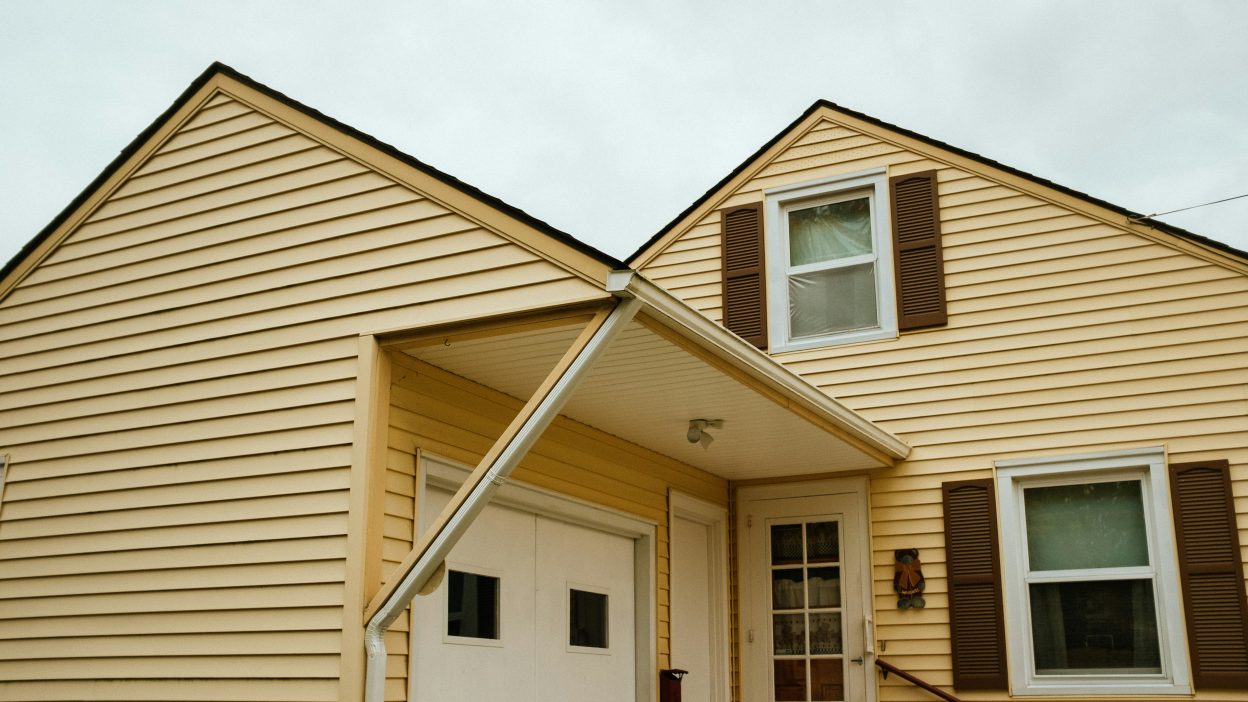
Vinyl remains the most popular siding choice in Central Ohio largely because of its upfront affordability. It resists moisture well at the surface level and requires very little routine maintenance. However, vinyl has real weaknesses when it comes to the specific stresses Ohio weather delivers.
Standard vinyl becomes brittle in cold temperatures. During a Central Ohio winter, siding panels that were installed with normal expansion gaps can crack when struck by debris or even a misplaced ladder during a December ice storm. Cheap vinyl is especially prone to this — the polymer composition in lower-cost products has a higher brittleness threshold, meaning it cracks at temperatures that premium vinyl would survive.
On the hail front, vinyl siding rates inconsistently. Some premium vinyl products carry Class 3 or Class 4 impact ratings under FM Approvals standards, which represent meaningful hail resistance. Standard vinyl, however, dents and punctures under moderate hailstone impact, and those punctures become entry points for moisture.
The honest summary on vinyl: it performs well in mild climates, but in Central Ohio it requires homeowners to choose premium-grade products and inspect it regularly after winter and storm seasons.
Maintenance: Low routine maintenance. Wash annually with a garden hose. Inspect panels after major freeze events and hailstorms. Budget for panel replacement every 10 to 15 years on standard products; premium vinyl can last 20 to 30 years with care.
Fiber Cement (James Hardie): The High-Performer for Ohio Conditions
Fiber cement siding, particularly James Hardie products, has become the go-to recommendation for Ohio homeowners who prioritize long-term performance over upfront savings. The material is a composite of Portland cement, sand, and cellulose fibers, which gives it properties that address each of Central Ohio’s primary climate threats.
Freeze-thaw resistance is one of fiber cement’s standout traits. Unlike wood, it does not absorb moisture deeply enough for freeze-expansion to cause cracking. James Hardie specifically engineered their HardiePlank product line with what they call HZ5 formulation, designed for regions like the Midwest that experience this exact freeze-thaw pattern. The James Hardie website notes their products are independently tested for performance in high-humidity and freeze-thaw climates.
Hail impact is another area where fiber cement excels. It consistently earns Class 4 impact ratings, the highest available, meaning it can withstand a 2-inch diameter steel ball dropped from 20 feet without cracking or denting. For Central Ohio homeowners, this matters directly for insurance premiums — many carriers offer discounts for homes with Class 4 rated exterior materials.
Moisture management in summer is also strong. Fiber cement does not rot, warp, or support mold growth the way wood does. Pre-primed and factory-painted options reduce the risk of moisture infiltrating through the paint layer.
The tradeoff is cost. Fiber cement installation typically runs 20 to 40 percent higher than vinyl per square foot, and the material’s weight requires experienced installers.
Maintenance: Repaint every 10 to 15 years (factory paint warranties from James Hardie run up to 15 years). Caulk joints should be inspected and refreshed every 5 to 7 years. Otherwise, the material requires minimal intervention.
Cedar and Natural Wood Siding: Timeless Looks, Demanding Upkeep
Cedar siding has been used in Ohio for over a century, and its natural insulation properties and distinctive aesthetic continue to attract homeowners. However, in Central Ohio’s climate, cedar demands a level of maintenance commitment that many homeowners underestimate.
The fundamental challenge is moisture. Cedar is a naturally rot-resistant wood, but “naturally resistant” is not the same as “impervious.” In Ohio’s humid summers, untreated or under-maintained cedar absorbs moisture from driving rain and seasonal humidity. If the finish coat is allowed to deteriorate, moisture infiltrates the wood, leading to mildew growth on the surface and, eventually, soft spots and rot behind the boards. According to the Forest Products Laboratory, unprotected wood exposed to cyclical wetting and drying can begin showing degradation within 3 to 5 years.
Freeze-thaw cycles compound this issue. Wood that has absorbed moisture before a hard freeze will expand unevenly as that moisture turns to ice, causing checking (small surface cracks) and eventually splitting. Proper sealing and painting slow this process significantly, but they do not eliminate it.
Hail is cedar’s weakest point. Even large, dense cedar boards dent visibly under moderate hailstone impact. In a severe hail event, cedar siding can require substantial partial replacement.
Cedar is best suited for homeowners who genuinely commit to a maintenance schedule and value the material’s aesthetic and environmental profile.
Maintenance: Stain or repaint every 3 to 5 years depending on sun exposure. Inspect for soft spots annually, especially on north-facing walls that retain moisture. Budget for occasional board replacement as part of a routine maintenance fund.
20-Year Cost of Ownership Comparison
When evaluating siding, the sticker price of installation is only the beginning. The following estimates reflect typical Central Ohio pricing ranges and should be used as planning benchmarks, not guarantees, as costs vary by project scope, home size, and contractor.
Vinyl (standard grade): Installation cost is lower upfront, but plan for repainting or panel replacement by year 12 to 15. Total 20-year cost including maintenance typically falls in a moderate range, though storm damage repairs can inflate this significantly.
Fiber cement (James Hardie): Higher upfront installation cost, but the 15-year paint warranty and Class 4 hail rating reduce both maintenance spending and insurance premiums over time. Many homeowners find that the total 20-year cost of fiber cement is comparable to or lower than premium vinyl when storm repairs and repainting are factored in.
Cedar: Lowest material cost for raw lumber, but ongoing staining, sealing, and board replacement make cedar the most expensive option over 20 years for homeowners in Ohio’s climate unless they perform much of the maintenance work themselves.
A useful reference point: the Remodeling Magazine Cost vs. Value Report annually tracks siding replacement ROI by region, and fiber cement consistently outperforms other materials in the Midwest for resale value return.
Warning Signs Your Current Siding Is Failing
Homeowners often miss the early indicators of siding failure because damage starts gradually. Knowing what to look for allows for timely intervention before structural damage occurs.
Warping or buckling panels are a clear sign that moisture has infiltrated behind the siding. When wood sheathing or the wall cavity absorbs water, it swells and forces siding outward. Warping on vinyl often indicates improper original installation or significant freeze-thaw stress.
Cracking and splitting in vinyl or wood siding suggest material fatigue from temperature cycling. Small cracks become moisture entry points quickly.
Soft spots when you press on the siding are a serious indicator of rot or water-damaged sheathing behind the panels. This requires immediate investigation — rot behind siding can spread to framing members.
Peeling interior paint near exterior walls, or visible mold on interior drywall, often traces back to siding failure allowing moisture infiltration.
Faded, chalky, or peeling paint on fiber cement or wood that has not been refreshed on schedule opens the door to accelerated deterioration.
When to repair versus replace: Isolated damage to a few panels — such as hail impact on one elevation or a small area of rot — typically justifies repair if the surrounding material is in sound condition. If more than 25 to 30 percent of the siding shows damage, or if the damage is widespread across multiple elevations, full replacement is almost always the more cost-effective long-term choice. A professional inspection will provide clarity, and many siding contractors offer free assessments.
Final Thoughts: Choosing Siding That Outlasts Ohio’s Weather
Central Ohio’s climate does not reward indecision or bargain-hunting when it comes to exterior siding. Freeze-thaw cycles, humid summers, and hailstorms create a demanding environment that separates quality materials from cheap ones within just a few years. Fiber cement, and James Hardie products in particular, represent the strongest overall performance profile for this region. Premium vinyl is a viable alternative for budget-conscious homeowners willing to choose top-tier products and commit to post-storm inspections. Cedar remains an option for those who value its aesthetic and are prepared for disciplined maintenance.
Whatever material you choose, working with an experienced local contractor who understands Central Ohio’s specific installation requirements — including proper flashing, expansion gaps, and moisture barriers — is as important as the material itself. For homeowners in the Columbus area, you can find local siding expertise through Google Maps.
Frequently Asked Questions
1. What is the longest-lasting siding option for Central Ohio homes?
Fiber cement siding, particularly James Hardie products, consistently offers the longest lifespan in Ohio’s climate. With proper installation and periodic repainting on schedule, fiber cement can last 30 to 50 years. Its resistance to freeze-thaw cycles, moisture, and hail impact gives it a clear durability advantage over vinyl and wood in the Midwest.
2. How do freeze-thaw cycles in Columbus damage siding over time?
When temperatures drop below freezing, any moisture that has penetrated siding or settled in small cracks turns to ice and expands. When temperatures rise above freezing the next day, that ice melts and contracts. Repeated over dozens of cycles each winter, this process widens cracks, loosens fasteners, and degrades adhesion between paint and substrate. Materials that absorb moisture readily, like unsealed wood, are most vulnerable.
3. Does siding material affect homeowner insurance premiums in Ohio?
Yes, in many cases. Siding products with Class 4 impact ratings, such as certain fiber cement products, may qualify homeowners for discounts from insurance carriers that factor in hail resistance. Ohio’s high rate of hail claims makes this a meaningful consideration. Homeowners should ask their insurer directly whether a Class 4 rated siding replacement would affect their premium.
4. How can I tell if my siding needs repair or full replacement?
Isolated damage limited to a small percentage of total siding area, such as a few cracked panels after a hailstorm, generally supports repair. If you notice soft spots indicating rot behind the panels, widespread cracking across multiple wall surfaces, or interior moisture problems tracing to siding failure, full replacement is likely the more economical long-term solution. A professional assessment is the most reliable way to make this determination.
5. Is vinyl siding a bad choice for Columbus, Ohio?
Not necessarily, but it requires careful product selection. Standard or builder-grade vinyl can perform poorly in Ohio’s freeze-thaw conditions and has limited hail resistance. Premium vinyl products, especially those with Class 3 or Class 4 impact ratings and thicker panel profiles, perform significantly better. Homeowners choosing vinyl should budget for more frequent inspections after winter and storm seasons and recognize that the material’s lifespan in this climate may be shorter than in milder regions.