Your roof is one of the most important structural components of your home. It shields everything beneath it from the elements, supports energy efficiency, and contributes to your property’s overall value. Yet many homeowners delay addressing serious roofing issues because they are unsure whether a repair will suffice or whether a full roof installation in Cincinnati, OH is the right move. Understanding the warning signs and knowing what the replacement process looks like can help you make a more informed decision before small problems become costly damage.
Signs Your Roof Needs Full Replacement Instead of Repair
Not every roofing issue calls for a complete replacement. Minor leaks, a handful of missing shingles, or small flashing problems can often be addressed with targeted repairs. However, there are specific conditions that indicate repair is no longer a practical or cost-effective solution.
Your Roof Is Approaching or Past Its Lifespan
Most asphalt shingle roofs are designed to last between 20 and 30 years, depending on the quality of materials and installation. If your roof is approaching or has surpassed this age range, it may be showing signs of widespread deterioration that repairs cannot adequately address. According to the National Roofing Contractors Association (NRCA), aging roofs that have reached the end of their intended lifespan are more prone to systemic failures that compromise the entire structure.
Widespread Shingle Damage
If you notice that shingles are curling at the edges, cupping, cracking, or going missing in multiple areas across the roof, this is a sign of widespread wear rather than isolated damage. Replacing individual shingles in a heavily worn roof often leads to a patchwork appearance and ongoing maintenance issues, making a full replacement more practical and economical.
Granules in the Gutters
Asphalt shingles shed granules over time, but finding significant accumulations in your gutters is a sign of advanced deterioration. Granules protect the underlying asphalt from UV radiation, so when they are gone, shingles become brittle and lose their effectiveness quickly. If you consistently notice granule buildup, a professional inspection is warranted.
Visible Sagging or Structural Deformation
A roof that appears to sag or bow in any section is showing signs of structural compromise. This could involve damage to the decking, rafters, or other support structures beneath the surface. Sagging is rarely a cosmetic issue and often signals that the underlying framework has been weakened by moisture, rot, or long-term stress. Repairs at the surface level will not fix deeper structural problems.
Water Damage Inside the Home
If you are noticing water stains on your ceilings, walls, or in the attic, and these stains continue to reappear despite previous repairs, the source of the problem may be systemic rather than localized. Persistent leaks that return after patching are a strong indicator that the roofing system as a whole has been compromised.
Multiple Problem Areas
When a roof has issues in several different locations simultaneously, the cost of multiple repairs can quickly approach or exceed the cost of a full replacement. A roofing professional can conduct a thorough assessment to determine whether the money spent on ongoing repairs would be better invested in a new roof that comes with a fresh warranty.
What to Expect During the Roof Installation Process
Understanding what happens during a roof replacement can reduce stress and help you prepare your household for the project. While timelines and specifics vary based on the size of the home, materials selected, and weather conditions, the general process follows a consistent sequence.
Initial Inspection and Consultation
Before any work begins, a qualified roofing contractor will conduct a comprehensive inspection of your existing roof. This includes evaluating the condition of the decking, flashing, gutters, ventilation systems, and overall structural integrity. The inspection forms the basis for the estimate and helps identify any underlying issues that need to be addressed before new materials are installed.
Material Selection
Once the scope of the project is clear, you will work with the contractor to select appropriate roofing materials. Common options include asphalt shingles, metal roofing, tile, and flat roofing systems. Each material has its own performance characteristics, aesthetic qualities, and price range. Asphalt shingles remain the most widely used option in residential roofing due to their balance of durability, cost-effectiveness, and versatility. The U.S. Department of Energy provides guidance on energy-efficient roofing options that can help homeowners reduce their heating and cooling costs.
Removal of Existing Roofing
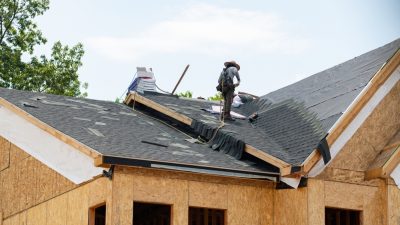
On installation day, the crew will begin by removing the existing roofing material down to the deck. This step allows the contractor to inspect the sheathing for rot, moisture damage, or structural weakness. Any compromised decking boards will be replaced before new materials are laid down.
Installation of Underlayment and New Materials
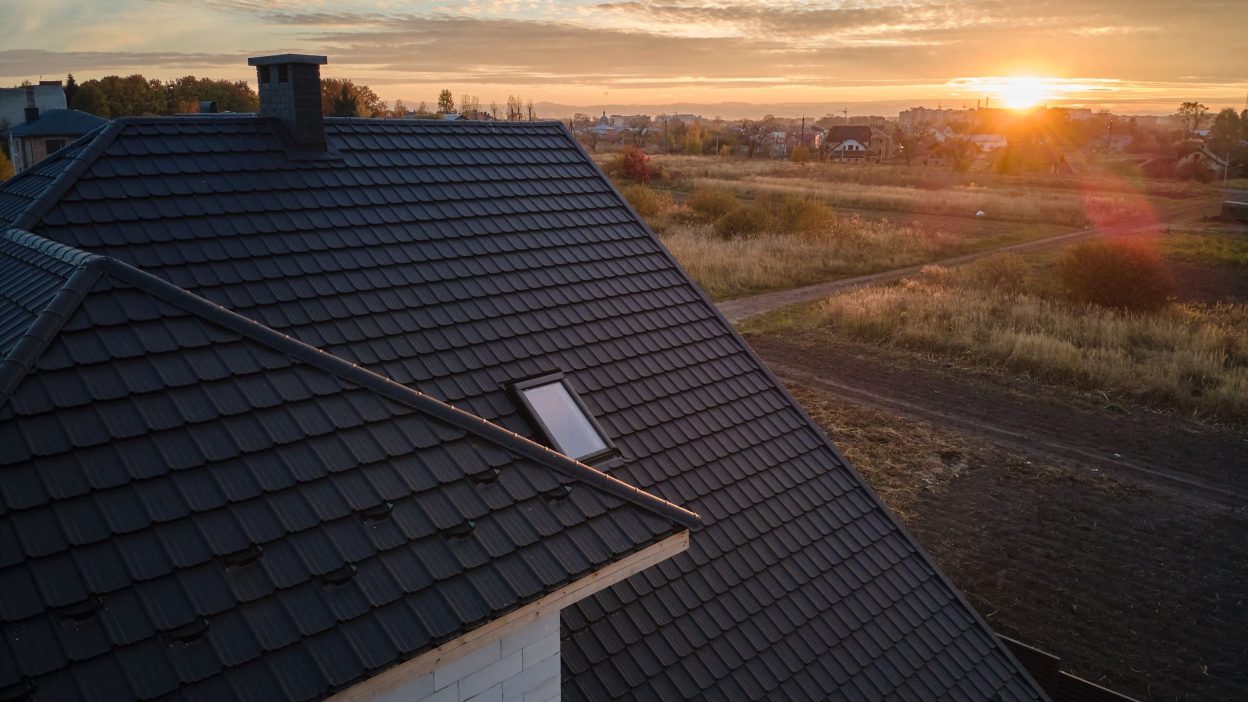
Once the deck has been inspected and repaired as needed, a waterproof underlayment is installed. This layer acts as an additional barrier against moisture infiltration. After the underlayment is in place, the chosen roofing material is installed according to manufacturer specifications, including proper nailing patterns, overlap, and flashing around chimneys, skylights, vents, and valleys.
Final Inspection and Cleanup
After installation is complete, the contractor should perform a detailed walkthrough to verify that all materials have been installed correctly, flashing is properly sealed, and gutters and surrounding areas have been cleared of debris. A reputable contractor will also walk you through the warranty coverage that applies to both materials and workmanship.
Why Professional Installation Ensures Durability and Safety
Choosing a qualified, licensed roofing contractor is not just a matter of convenience. It directly affects the performance, safety, and longevity of your new roof.
Compliance with Local Building Codes
Roofing installations must comply with local building codes, which vary by municipality. Professional contractors are familiar with these requirements and obtain the necessary permits before beginning work. Improper installation that does not meet code can result in failed inspections, difficulty selling the home, or voided insurance claims.
Manufacturer Warranty Validity
Most roofing manufacturers require that their products be installed by certified professionals for the warranty to remain valid. A DIY installation or work performed by an unlicensed contractor may result in warranty avoidance, leaving the homeowner without recourse if materials fail prematurely. The Insurance Institute for Business and Home Safety (IBHS) recommends verifying that your contractor is both licensed and trained by the manufacturer of the materials being used.
Proper Ventilation and Moisture Management
One of the most commonly overlooked aspects of roof installation is ventilation. A properly ventilated roof regulates temperature and moisture in the attic, extending the lifespan of roofing materials and reducing energy costs. Poor ventilation can cause shingles to deteriorate prematurely from underneath, leading to early failure. Professional installers understand how to design and implement ventilation systems that meet the specific requirements of each home.
Safety Practices
Roofing work involves significant fall and injury risks. Licensed contractors carry liability insurance and workers’ compensation coverage, which protects homeowners from financial liability in the event of an on-site accident. They also follow established safety protocols that reduce the risk of injury to workers and damage to the property.
Long-Term Value
A professionally installed roof contributes meaningfully to a home’s resale value. According to Remodeling Magazine’s Cost vs. Value Report, roofing replacement consistently ranks among the top home improvement projects for return on investment. Buyers and appraisers take note of a new, professionally installed roof, and it can be a significant differentiator in a competitive real estate market.
Final Thoughts on Roof Installation
Knowing when to replace your roof and what to expect from the process puts you in a much stronger position as a homeowner. The warning signs of a failing roof are often gradual, and many homeowners underestimate how quickly a compromised roof can lead to interior damage, mold growth, and structural deterioration. Acting before conditions become critical will always result in lower overall costs and fewer complications.
When it is time to move forward, working with an experienced local contractor ensures that your roof is installed correctly, backed by appropriate warranties, and built to handle the specific weather conditions of your region. If you are located in the Northern Kentucky or Greater Cincinnati area, you can learn more about local roof installation services and find qualified professionals familiar with regional climate demands.
Frequently Asked Questions
1. How long does a roof installation typically take?
Most residential roof installations are completed within one to three days, depending on the size and complexity of the roof, the type of materials being installed, and weather conditions. Larger homes or roofs with multiple angles, dormers, or skylights may take longer.
2. Can a new roof be installed over the existing one?
In some cases, a second layer of asphalt shingles can be installed over an existing layer without removal. However, this approach is not always recommended. It can hide underlying damage, add excess weight to the structure, and may not comply with local building codes. Most roofing professionals recommend a full tear-off to inspect the decking and ensure a proper base.
3. What is the best time of year to replace a roof?
While roofing can technically be done in any season, late spring through early fall is generally considered the ideal window. Moderate temperatures allow materials to seal properly, and contractors are more likely to have consistent scheduling. That said, many contractors handle installations in cooler months as well, and emergency replacements due to storm damage can occur at any time of year.
4. How do I know if my roof damage is covered by homeowners insurance?
Coverage depends on the cause of the damage. Most homeowners insurance policies cover damage resulting from sudden events such as hailstorms, high winds, or falling trees. Damage that results from lack of maintenance or gradual wear is typically not covered. After a major storm, it is advisable to have a licensed contractor inspect your roof and document any damage before filing a claim.
5. What questions should I ask a roofing contractor before hiring them?
Before signing any contract, ask about the contractor’s licensing and insurance, whether they use subcontractors, what manufacturer certifications they hold, how long they have been in business, and what warranties apply to both materials and labor. Request a written estimate that itemizes costs and ask for references from past projects in your area.