
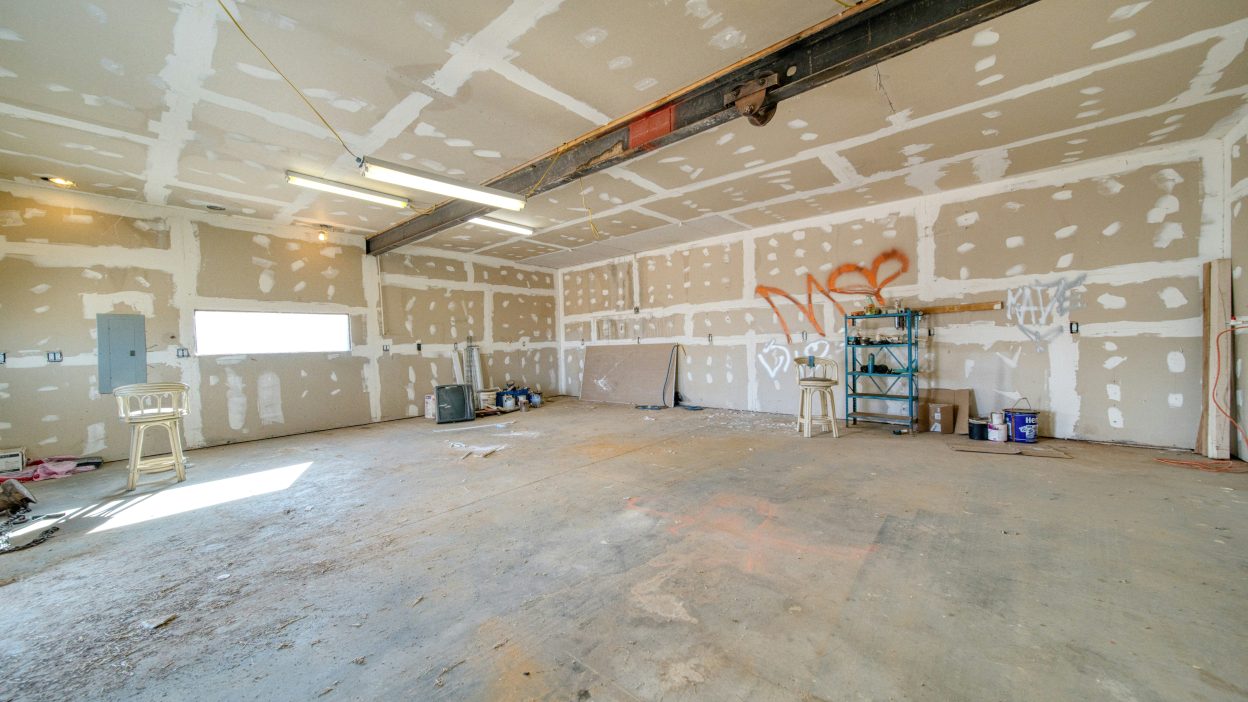
Water is one of the most destructive forces a home can face, largely because the damage it causes often hides in plain sight. For homeowners in Nashville, Tennessee, the combination of intense spring storms, aging plumbing systems, and humid summers creates the perfect conditions for hidden moisture to build up behind walls. Knowing how to identify the signs of water damage behind drywall in Nashville, TN early on can be the difference between a minor repair and a costly mold remediation or structural overhaul. If you already suspect a problem, connecting with a professional drywall repair service in Nashville sooner rather than later is always the right move.
This guide walks through the five most telling warning signs, explains why speed is critical once moisture is suspected, and helps you understand when a patch job is enough versus when a full drywall replacement is necessary.
Why Nashville Homes Are Especially Vulnerable
Nashville sits in a climate zone that brings heavy spring rains, occasional severe storms, and humid summers. According to the National Weather Service, Middle Tennessee regularly experiences rainfall events that can overwhelm gutters, foundation drainage, and aging roof systems. Add in the fact that a large share of Nashville’s housing stock was built before modern waterproofing standards, and you have a recipe for persistent hidden moisture problems.
Pipe materials in older homes, including galvanized steel and early copper installations, are now at or beyond their expected service life. Slow pinhole leaks behind walls can drip for weeks or months before a homeowner notices anything unusual.
Sign 1: Yellowish or Brownish Stains on Walls and Ceilings
One of the first visible indicators of moisture behind drywall is discoloration. These stains often appear as irregular yellowish, tan, or brownish patches that seem to bleed through paint. They may start small and expand gradually over time.
Stains on ceilings typically signal a roof leak or a plumbing pipe running through the floor above. Stains on walls near windows often point to failed window seals or flashing, while stains near the floor level can indicate foundation seepage or a leaking supply line.
It is worth noting that painting over these stains without addressing the underlying moisture source is a temporary fix at best. The staining will return, and the drywall behind the surface continues to hold moisture.
Sign 2: Bubbling, Peeling, or Blistering Paint
Paint that is bubbling, peeling, or blistering is a strong visual cue that moisture is trapped beneath the surface. When drywall absorbs water, the gypsum core swells and the paper facing separates from the wall compound. This separation creates pockets of air and moisture that push the paint outward.
This symptom is especially common in bathrooms, kitchens, and laundry rooms where steam and condensation are ongoing concerns. However, if you spot bubbling paint in areas of your home that are not typically humid, such as a hallway or bedroom wall, that is a red flag worth investigating further.
According to the Environmental Protection Agency (EPA), moisture-damaged building materials that are not dried or replaced within 24 to 48 hours are likely to develop mold growth.
Sign 3: Soft Spots, Warping, or Sagging Drywall
Healthy drywall is rigid and flat. When you press against a wall and notice any give or sponginess, the gypsum core has likely absorbed enough water to begin breaking down. Visually, water-damaged drywall may bow outward, sag near the ceiling line, or develop visible warping along seams and joints.
A sagging ceiling is a particularly urgent sign. Drywall saturated with water can become heavy enough to fail structurally, especially if the water source is ongoing. If you see a ceiling that is visibly drooping or feels wet to the touch, the area beneath it should be vacated until it can be assessed by a professional.
Do not attempt to poke or prod a severely sagging ceiling, as the weight of accumulated water can cause it to collapse suddenly.
Sign 4: Musty or Earthy Odors
Mold does not always announce itself visually. Often, homeowners notice a persistent musty or earthy smell long before any visible mold colonies appear. This odor is produced by microbial volatile organic compounds (mVOCs), which are gases released by mold and mildew as they metabolize organic material in drywall paper and wood framing.
If a room has a musty smell that does not go away after ventilation and cleaning, and especially if that smell is stronger near a particular wall or corner, moisture is almost certainly present behind the surface. The Centers for Disease Control and Prevention (CDC) notes that mold exposure can cause respiratory symptoms, headaches, and skin irritation, making early detection a matter of both home preservation and personal health.
Sign 5: Visible Mold Growth Along Baseboards or Seams
By the time mold becomes visible on the surface of drywall or along baseboards, the problem behind the wall is typically more advanced than what you can see. Mold colonies visible at the wall-floor junction, around outlets, or along drywall seams indicate that conditions behind the surface have been damp enough for long enough to allow significant growth.
Black, green, or gray spotting that reappears after being cleaned is a definitive sign that a moisture source has not been resolved. Surface cleaning with household products does not eliminate mold that has penetrated into porous drywall or wall cavities.
The 48-Hour Mold Timeline: Why Speed Is Everything
The EPA has established that mold can begin to colonize wet building materials within 24 to 48 hours of exposure to moisture. This is not a slow, creeping threat. Once drywall becomes saturated from a burst pipe, a roof leak, or a storm-related intrusion, the clock starts immediately.
Within the first 24 hours, mold spores that are naturally present in any indoor environment begin to germinate on wet surfaces. By 48 hours, active growth can begin on drywall paper, insulation, and wood framing. By 72 hours and beyond, mold colonies become established and begin to spread to adjacent materials.
This timeline underscores why a wait-and-see approach is a costly mistake. Drying out a wall cavity with fans and dehumidifiers is only effective if initiated within that first 24 to 48 hour window. After that point, remediation typically requires professional intervention, including removal of affected materials, application of antimicrobial treatments, and in many cases, rebuilding portions of wall or ceiling assemblies.
Repair vs. Replacement: Reading Moisture Meter Readings
A moisture meter is one of the most useful tools a homeowner or contractor can use when assessing water damage. These devices measure the percentage of moisture content within a building material and help distinguish between drywall that can be dried and salvaged versus drywall that must be removed.
Here is a general guide based on standard industry thresholds used by water damage restoration professionals:
Below 1%: Normal, dry drywall. No action needed beyond monitoring.
1% to 5%: Slightly elevated. Improve ventilation and monitor closely for changes.
5% to 15%: Actively wet. Professional drying equipment is recommended. Mold risk is elevated and growing.
Above 15%: The drywall has absorbed a significant amount of water and structural integrity may be compromised. At this level, removal and replacement is typically recommended rather than attempted drying.
Above 25%: This range indicates saturation and near-certain mold contamination. Replacement is necessary. Adjacent framing and insulation should also be inspected.
The Institute of Inspection, Cleaning and Restoration Certification (IICRC) provides industry standards for water damage restoration, including moisture thresholds that guide professional decision-making during remediation projects.
If your moisture readings are elevated and you are unsure how far the damage extends, a professional assessment is the safest course of action. Cutting out a section of drywall to inspect the wall cavity is often the only way to fully evaluate the extent of moisture intrusion and any associated mold growth.
When to Handle It Yourself vs. When to Call a Professional
Minor cosmetic water stains on drywall that have been fully dried and where the moisture source has been definitively fixed can sometimes be addressed with a stain-blocking primer and fresh paint. Small holes or cracks can be patched with joint compound after the wall is confirmed dry.
However, there are clear situations where professional help is warranted. You should call a pro if:
- You can see or smell mold
- Moisture readings are above 15%
- The affected area covers more than 10 square feet
- The damage involves ceiling drywall that may be at risk of collapse
- The moisture source has not been identified and resolved
- The damage is located near electrical outlets, panels, or wiring
For Nashville homeowners dealing with storm damage, aging pipe failures, or any situation where the source of moisture is unclear, working with an experienced local contractor ensures the repair is done correctly the first time. You can also find local Nashville drywall repair professionals on Google Maps to read reviews and verify credentials before scheduling a visit.
Wrapping It Up: Don’t Let Hidden Water Damage Grow Into a Bigger Problem
Water damage behind drywall is one of those home repair issues that rarely gets better on its own. The longer moisture sits behind walls, the more damage it causes to the gypsum board, insulation, framing lumber, and any mechanical systems running through the wall cavity. In Nashville’s climate, where spring storms and aging infrastructure are ongoing concerns, staying alert to the early warning signs discussed in this article is one of the most practical things a homeowner can do.
Stains, bubbling paint, soft spots, musty odors, and visible mold are not cosmetic inconveniences. They are symptoms of a moisture problem that is actively degrading your home’s structure and indoor air quality. Acting within the 48-hour window after discovering moisture, using a moisture meter to guide repair-versus-replacement decisions, and knowing when to bring in a licensed professional will save you significantly more money than waiting for the damage to become undeniable.
Frequently Asked Questions
Q: How do I know if my wall has water damage if there are no visible stains?
A: Not all water damage produces visible staining right away. The best non-invasive check is to use a pin-type or pinless moisture meter against the wall surface. A reading above 5% in a non-bathroom area warrants further investigation. You can also press gently on the wall to check for soft spots or sponginess, and pay attention to any musty odors in the room, particularly at floor level where moisture tends to accumulate.
Q: Can I paint over water stains on drywall?
A: You can use a stain-blocking primer such as a shellac-based or oil-based product to seal water stains before repainting, but only after confirming that the moisture source has been fully resolved and the wall has dried completely. Painting over an active or wet stain will not solve the problem and the discoloration will bleed through again.
Q: How long does it take for mold to grow behind wet drywall?
A: Mold can begin germinating on wet drywall within 24 hours and visible colonies can appear within 48 to 72 hours under warm, humid conditions. Nashville summers in particular create ideal conditions for rapid mold growth once moisture is present. This is why water-damaged materials should be dried or removed as quickly as possible.
Q: Is drywall with water damage always a mold risk?
A: Not necessarily, but the risk is high enough that it should always be treated as a concern. If the drywall was thoroughly dried within 24 to 48 hours and moisture meter readings return to normal (below 1%), mold growth may not have had time to establish. However, if there is any doubt about drying time or the extent of saturation, professional testing or removal is the safer option.
Q: What is the typical cost of replacing water-damaged drywall in Nashville?
A: Costs vary depending on the extent of the damage, the location of the affected drywall (walls vs. ceilings), and whether mold remediation is also required. Minor repairs involving a few square feet can run a few hundred dollars, while larger projects involving mold, structural framing repair, and full wall section replacement can cost several thousand dollars. Getting an in-person assessment from a local Nashville contractor is the best way to get an accurate estimate for your specific situation.