Knowing the best time to replace AC unit in Cincinnati, OH can mean the difference between a smooth, budget-friendly upgrade and an expensive emergency swap in the middle of a heat wave. If you are a homeowner in the Greater Cincinnati area, understanding seasonal timing, eligibility for rebates, and the warning signs that your current system is failing can save you hundreds of dollars and days of discomfort. Before diving into the details, it is worth knowing that AC replacement and installation services are available year-round, but the timing of when you schedule that work matters more than most homeowners realize.
Why Timing Your AC Replacement Matters in Cincinnati
Cincinnati summers are no joke. Average July highs hover around 86 degrees Fahrenheit, and humidity regularly pushes the heat index well above 90. When an air conditioner fails during peak season, HVAC contractors are slammed with service calls, lead times stretch out, and some companies charge premium rates simply because demand is so high.
Homeowners who plan ahead and schedule their replacement during the off-season avoid all of that. They get their pick of appointment slots, contractors have more time to do thorough work, and equipment that might be backordered in July is usually sitting in a warehouse ready to ship in March or October.
The Best Seasons to Replace Your AC in Cincinnati
Spring (March Through May)
Spring is widely considered the ideal window for AC replacement in Cincinnati. Temperatures are mild, meaning you can go a day or two without cooling while the new system is installed without suffering. HVAC companies are transitioning out of the slower winter season, so their schedules are not yet packed. This often translates to faster appointment availability and, in some cases, promotional pricing that contractors offer to keep their crews busy before summer demand kicks in.
Spring also gives homeowners time to research equipment, compare quotes, and apply for rebates without feeling rushed. Installing a new system in April or May means it is fully tested and running before the first serious heat wave arrives.
Fall (September Through November)
Fall is the second best window. After Labor Day, demand for cooling drops sharply, and HVAC contractors shift their focus toward furnace tune-ups and heating system installations. If your AC struggled through the summer but technically made it, fall is the perfect time to replace it before the next cooling season rather than gambling on another summer with an aging unit.
Fall installations also give homeowners access to end-of-season equipment deals. Manufacturers and distributors sometimes discount prior-year models in the fall to clear inventory before new model releases.
What to Avoid: Peak Summer and Deep Winter
Replacing your AC in June, July, or August means competing with emergency calls. You may wait longer, pay more for the same equipment, and feel more pressure to accept the first quote you receive. Deep winter is less problematic for scheduling, but if something goes wrong during installation and your heating system is affected, the stakes are higher. Spring and fall simply offer the best combination of availability, pricing, and comfort during the transition period.
How to Know If Your AC Should Be Replaced or Repaired
Before scheduling a replacement, it helps to honestly evaluate whether your current system has reached the end of its useful life or if a repair could reasonably carry it through another season or two. Here are the key factors to weigh.
Age of the System
The U.S. Department of Energy notes that most central air conditioning systems have a lifespan of 15 to 20 years. If your system is 12 years old or older and facing a significant repair, replacement is usually the more cost-effective long-term choice. Older systems also tend to use outdated refrigerants and operate at much lower efficiency levels than modern equipment.
SEER Rating
SEER stands for Seasonal Energy Efficiency Ratio. Higher SEER ratings mean lower operating costs. Systems installed before 2006 commonly have SEER ratings of 10 or below. Current federal minimum standards require a SEER2 rating of 14 or higher for new equipment sold in the Northern United States, which includes Ohio. Upgrading from a 10 SEER to a 16 or 18 SEER system can reduce cooling costs by 30 to 40 percent annually, according to ENERGY STAR.
Refrigerant Type
If your system uses R-22 refrigerant (also called Freon), you are operating equipment that is now obsolete. The EPA completed its phaseout of R-22 production and import in 2020 under the Clean Air Act regulations. Recycled R-22 is still available but expensive, and repairing an R-22 system that has a refrigerant leak may cost more than the repair is worth. Replacement with an R-410A or newer R-454B system is almost always the better financial move.
Repair Frequency
A good rule of thumb in the HVAC industry is the “5,000 rule”: multiply the age of your system by the estimated repair cost. If the result exceeds $5,000, replacement is typically the wiser choice. For example, if your system is 14 years old and facing a $400 repair, that is $5,600, which nudges toward replacement territory. Beyond the math, if you have needed two or more significant repairs in the past three years, the system is likely in a general state of decline.
2025 to 2026 Federal Tax Credits and Ohio Utility Rebates
One of the most compelling reasons to replace your AC during an off-season window is having enough time to properly research and apply for available financial incentives. These programs can significantly offset the upfront cost of a high-efficiency system.
Federal Tax Credits Under the Inflation Reduction Act
The Inflation Reduction Act extended and expanded residential energy efficiency tax credits through 2032. Homeowners who install a qualifying high-efficiency central air conditioner may be eligible for a federal tax credit of up to 30 percent of the installed cost, capped at $600 per year for central AC units. To qualify, the equipment must meet specific efficiency thresholds. The IRS Energy Efficient Home Improvement Credit (Form 5695) outlines the current eligibility requirements in detail.
Heat pump systems, which provide both heating and cooling, qualify for a separate credit of up to $2,000 per year and often represent an even greater long-term investment for Cincinnati homeowners.
Ohio Utility Rebates
Several Ohio utilities offer rebates for homeowners who upgrade to ENERGY STAR-certified cooling equipment. Duke Energy Ohio and AES Ohio both run residential efficiency programs that periodically include rebates on qualifying central AC and heat pump installations. Rebate amounts and availability change from year to year, so it is worth checking the Ohio Energy Efficiency Database or contacting your utility provider directly before purchasing equipment. Some programs also offer rebates for smart thermostats installed alongside the new system, which adds another layer of savings.
Combining a federal tax credit with a utility rebate can bring the effective out-of-pocket cost of a new high-efficiency system down considerably, making the off-season replacement an even smarter financial decision.
Getting Quotes and Preparing for Installation
Once you have decided that replacement makes sense, a few steps will help the process go smoothly. Get at least two or three written quotes from licensed HVAC contractors. Each quote should specify the equipment model, SEER rating, warranty terms, and what the installation includes (such as removal of the old unit, refrigerant recovery, and any necessary electrical or ductwork modifications).
Ask each contractor whether the proposed equipment qualifies for federal tax credits and available utility rebates. A knowledgeable contractor should be able to confirm this and may even assist with rebate paperwork.
If you are replacing an older system, consider having the ductwork inspected at the same time. Leaky or poorly insulated ducts can reduce the efficiency of even a brand new system by 20 to 30 percent, according to ENERGY STAR. Addressing ductwork during an off-season replacement, when contractors are less rushed, is far easier than trying to schedule a separate service later.
Wrapping Up: Why Off-Season Replacement Is the Smart Play
Replacing your AC in Cincinnati during spring or fall is one of the more straightforward ways homeowners can save money on a major purchase. Shorter wait times, better equipment availability, and access to incentive programs all point in the same direction. The homeowners who end up paying the most are typically those who wait until their system dies on the hottest day of the year.
If your current system is aging, inefficient, or running on obsolete refrigerant, the off-season window may be the best opportunity to replace it on your own terms. You can also find local AC replacement professionals on Google Maps to compare options in your area.
Frequently Asked Questions
1. What is the best month to replace an AC unit in Cincinnati?
April and May tend to be the optimal months. Temperatures are comfortable enough that you can be without cooling for a day, contractor schedules are open, and summer demand has not yet driven up pricing or wait times. October is a close second for homeowners who prefer a fall replacement.
2. How long does an AC replacement take in Cincinnati?
Most standard central air conditioner replacements are completed in four to eight hours, meaning the work is typically done in a single day. More complex jobs involving ductwork modifications or electrical panel upgrades may take longer.
3. Does replacing my AC increase home value?
A newer, high-efficiency AC system can be a selling point in Cincinnati’s real estate market, particularly when buyers know they will not face a major HVAC expense in the near future. While the dollar-for-dollar return varies, updated systems generally improve buyer confidence and can support a stronger asking price.
4. Can I get a rebate on a new AC unit in Ohio?
Yes. Ohio utility companies including Duke Energy Ohio and AES Ohio periodically offer rebates on ENERGY STAR-certified air conditioners and heat pumps. Federal tax credits under the Inflation Reduction Act are also available for qualifying equipment through 2032. Always verify current program details with your utility provider and a tax professional.
5. How do I know if my AC uses R-22 refrigerant?
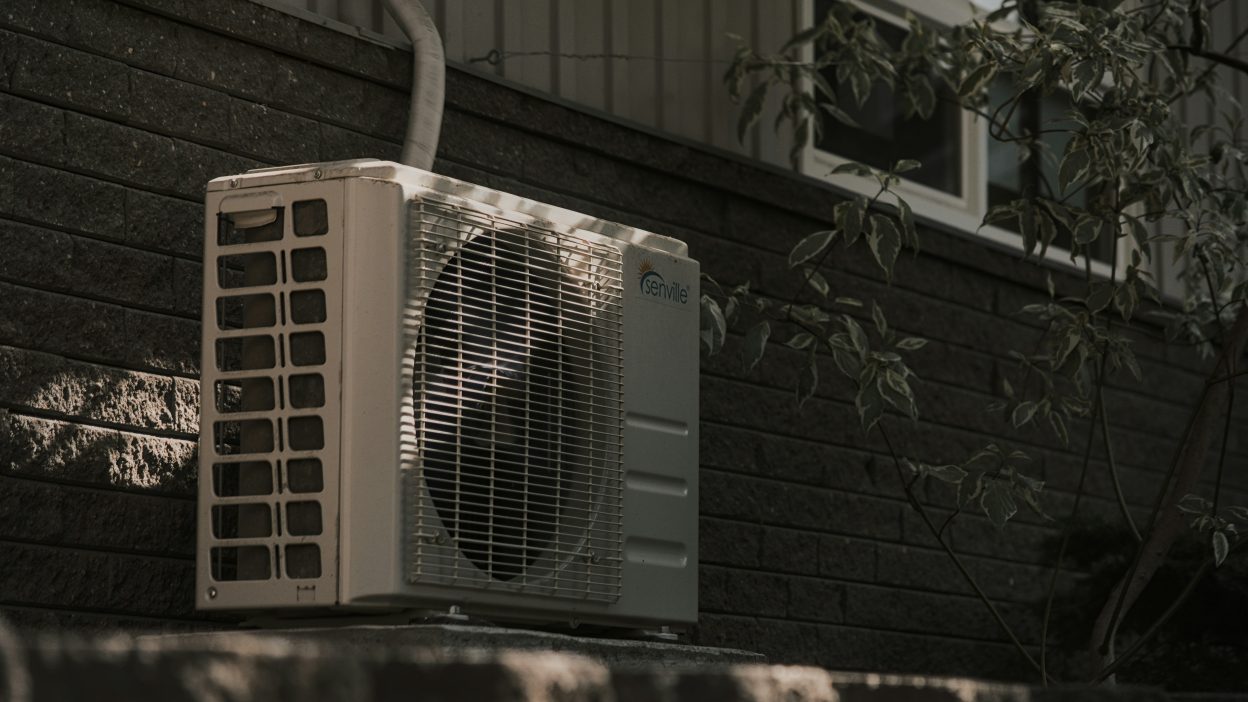
Check the data plate on your outdoor condenser unit. It will list the refrigerant type. If it reads R-22, your system is using a phased-out refrigerant and repairs involving refrigerant recharge will be increasingly expensive. Replacement with a modern R-410A or R-454B system is almost always the better long-term decision.
6. Is a heat pump a good alternative to a traditional AC in Cincinnati?
For many Cincinnati homeowners, yes. Heat pumps provide both cooling in summer and heating in winter, and modern cold-climate heat pumps perform well even when temperatures drop into the teens. They also qualify for larger federal tax credits than standard AC units under current law, making them worth serious consideration when replacing an aging system.