When temperatures plummet in Cincinnati, your furnace becomes the silent hero keeping your home warm and comfortable. But like all mechanical systems, furnaces don’t last forever. Understanding how long does a furnace last in Cincinnati, OH can save you from an unexpected mid-winter breakdown and the premium costs that come with emergency replacements. If you’re noticing unusual behavior from your heating system, it might be time to consider furnace installation before the cold weather catches you off guard.
Most homeowners rarely think about their furnace until something goes wrong. Yet, recognizing the warning signs of a failing system can help you plan ahead, budget accordingly, and avoid the discomfort and expense of a complete heating system failure during the coldest days of the year.
Average Furnace Lifespan by Fuel Type
The longevity of your furnace depends heavily on the type of fuel it uses and how well it’s maintained. Different heating systems have distinct lifespans, and understanding these differences helps you anticipate when replacement might become necessary.
Gas Furnaces: 15 to 20 Years
Natural gas furnaces are the most common heating systems in Cincinnati homes, and they typically last between 15 and 20 years. According to the U.S. Department of Energy, proper maintenance can help gas furnaces reach the upper end of this range. These systems use combustion to generate heat, which means components like the heat exchanger, burners, and ignition system experience significant wear over time.
Installation quality matters significantly; a properly sized and professionally installed furnace will last longer than one that’s incorrectly sized for your home. Annual professional maintenance is crucial for catching minor issues before they become major problems.
Electric Furnaces: Up to 30 Years
Electric furnaces typically outlast their gas counterparts, often functioning efficiently for 20 to 30 years. These systems have fewer moving parts and no combustion process, which means less mechanical stress and fewer components that can fail. The Energy Star program notes that electric heating systems generally require less maintenance than fuel-burning alternatives.
Electric furnaces use heating elements to warm air, similar to how a toaster works. Because there’s no flame, pilot light, or gas valve to maintain, these systems experience less wear on critical components. However, they typically cost more to operate due to higher electricity rates compared to natural gas prices.
Oil Furnaces: 15 to 25 Years
Though less common in Cincinnati, oil furnaces can last 15 to 25 years with proper care. These systems require more intensive maintenance than gas or electric models, including annual cleaning of soot buildup and regular oil tank inspections.
What Shortens or Extends Furnace Lifespan in Cincinnati’s Climate
Cincinnati experiences humid summers and cold winters, creating unique challenges for HVAC systems. The region’s humidity can promote rust and corrosion on metal components, particularly in basements where furnaces are commonly installed.
Professional annual maintenance is the most effective way to extend furnace lifespan. Scheduling yearly inspections before heating season begins ensures optimal performance. Using quality air filters and changing them every 1 to 3 months protects internal components from dust and debris.
Programmable thermostats reduce unnecessary cycling by maintaining consistent temperatures, and proper furnace sizing ensures the unit runs efficiently without excessive stress. When replacing a furnace, ensure it’s correctly sized for your home’s square footage and insulation levels.
Five Warning Signs Your Furnace Is Nearing End of Life
Recognizing the symptoms of a failing furnace helps you avoid emergency breakdowns and plan for replacement on your timeline rather than during a cold snap when prices are highest.
1. Rising Energy Bills
If your heating costs have increased significantly without a corresponding rise in energy rates or change in usage patterns, your furnace is likely losing efficiency. As furnaces age, they work harder to produce the same amount of heat, consuming more fuel or electricity. The American Council for an Energy-Efficient Economy reports that older furnaces can lose 30% or more of their original efficiency, translating directly to higher utility bills.
2. Frequent Repairs
When repair costs start adding up, replacement becomes more economical than continued fixes. A good rule of thumb is the 50% rule: if a repair costs more than 50% of a new furnace’s price and your system is over 15 years old, replacement is usually the smarter investment. If you’re calling for service more than twice per heating season, or if multiple components are failing in quick succession, the system is signaling it’s time for replacement.
3. Uneven Heating Throughout Your Home
Inconsistent temperatures between rooms indicate your furnace can no longer distribute heat effectively. You might notice that upstairs rooms are cold while the main floor is comfortable, or certain rooms never seem to reach the thermostat setting. This problem stems from several age-related issues: weak blower motors can’t push air through all ducts adequately, and failing heat exchangers can’t produce enough warmth to satisfy the entire system.
4. Unusual Noises
Furnaces make some operational noise, but loud, persistent, or unusual sounds indicate mechanical problems. Banging or popping often signals expanding and contracting metal or delayed gas ignition. Squealing or screeching usually points to a worn blower motor belt or bad bearings. Rattling may indicate loose components or mounting brackets that have deteriorated. If unusual noises accompany reduced heating performance, these symptoms together strongly suggest the furnace is approaching the end of its useful life.
5. Visible Rust or Cracks in the Heat Exchanger
The heat exchanger is the heart of your furnace, transferring heat from combustion gases to the air circulating through your home. A cracked or corroded heat exchanger is a serious safety hazard because it can leak carbon monoxide into your living space. Warning signs include visible rust or corrosion, yellow or flickering pilot light flames, excessive moisture around the furnace, and sooty buildup.
According to the Centers for Disease Control and Prevention, carbon monoxide is an invisible, odorless gas that causes more than 400 deaths annually in the United States. A cracked heat exchanger requires immediate attention. Because replacing a heat exchanger often costs 40% to 60% of a new furnace price, full replacement is typically recommended.
How to Plan and Budget for Furnace Replacement
Replacing a furnace is a significant investment, but proper planning makes the process manageable and helps you avoid panic decisions during an emergency.
Understanding Replacement Costs
Furnace replacement costs in Cincinnati typically range from $3,000 to $8,000, depending on the system type and efficiency rating. High-efficiency models (95% AFUE or higher) cost more upfront but save money on energy bills over time. Standard efficiency units (80% AFUE) are less expensive initially but cost more to operate.
Creating a Replacement Timeline
Don’t wait until your furnace dies to start planning replacement. Begin researching options when your furnace reaches 12 to 15 years old or when you notice warning signs. Summer and early fall are the best times to replace a furnace when HVAC contractors are less busy and may offer better rates. Contact at least three reputable contractors for estimates.
Check for utility company rebates, federal tax credits, and manufacturer promotions. High-efficiency models often qualify for incentives that offset their higher purchase price.
Financing Options
Most HVAC contractors offer financing plans to help homeowners manage costs. Manufacturer financing often provides special interest rates or deferred payment options. Contractors typically work with lenders to offer various payment plans. Home equity loans or lines of credit usually offer lower interest rates, while personal loans from banks and credit unions can also cover replacement costs.
What to Expect During Installation
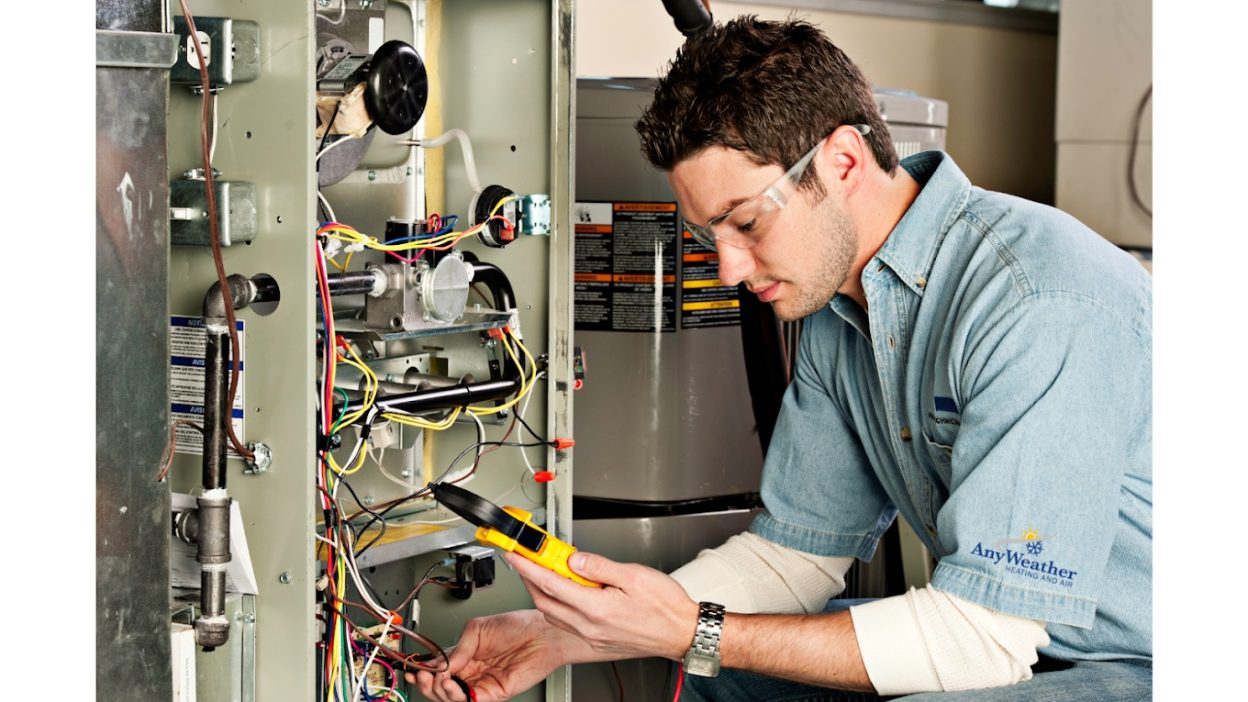
Installation teams remove the old furnace, inspect ductwork and venting systems, and prepare the space for the new unit. Technicians install the new furnace, connect all electrical and gas lines, attach ductwork, and install the thermostat. Most residential installations complete in one day. After installation, technicians test all system functions, calibrate the thermostat, check for gas leaks, and ensure safety features work correctly.
If you’re in the Cincinnati area and noticing these warning signs, professional HVAC contractors can evaluate your system and provide expert guidance. Many homeowners find that proactive furnace replacement in Cincinnati prevents emergency situations and allows them to choose the best system for their needs without the pressure of a broken heater in winter.
Final Thoughts
Your furnace is a significant investment in your home’s comfort and safety. Understanding how long furnaces typically last, recognizing the warning signs of a failing system, and planning ahead for eventual replacement saves you money and stress. Most furnaces provide 15 to 20 years of reliable service when properly maintained.
Don’t wait for a complete breakdown during the coldest week of winter to address furnace problems. If your system is over 15 years old or showing warning signs, start researching replacement options now. The investment in a new, energy-efficient furnace pays dividends through lower energy bills, improved comfort, and peace of mind.
Frequently Asked Questions
How often should I replace my furnace filter?
Replace standard 1-inch filters every 1 to 3 months, depending on factors like pets, allergies, and system usage. Homes with pets or allergy sufferers should change filters monthly. Thicker 4-inch or 5-inch filters typically last 6 to 12 months. Check filters monthly and replace them when they appear dirty or clogged, as restricted airflow forces your furnace to work harder and can shorten its lifespan.
Can regular maintenance really extend my furnace’s life?
Yes, absolutely. Annual professional maintenance can add 3 to 5 years to your furnace’s operational life. During tune-ups, technicians clean components, lubricate moving parts, test safety systems, calibrate controls, and identify minor issues before they become major failures. Neglected furnaces often fail prematurely due to preventable problems like dirty burners, worn belts, or clogged filters.
Is it worth repairing an old furnace or should I replace it?
Use the 50% rule as a guideline: if the repair cost exceeds 50% of a new furnace’s price and your unit is over 15 years old, replacement usually makes more financial sense. Also consider the frequency of recent repairs. If you’ve needed multiple repairs in the past two years, the furnace is likely approaching the end of its life, and continued repairs will cost more than replacement in the long run.
What AFUE rating should I look for in a new furnace?
For Cincinnati’s climate, look for furnaces with an AFUE rating of at least 90% for good efficiency. High-efficiency models rated at 95% to 98% AFUE cost more initially but can save 15% to 25% on heating costs compared to older 80% AFUE models. Calculate the payback period based on your annual heating costs to determine if the premium for higher efficiency justifies the investment.
How do I know if my furnace is the right size for my home?
A properly sized furnace should maintain comfortable temperatures without constantly cycling on and off or running continuously. Signs of incorrect sizing include uneven heating, short cycling, excessive noise, and high energy bills. Professional HVAC contractors perform load calculations considering your home’s square footage, insulation levels, window quality, and local climate to determine the correct furnace capacity.