
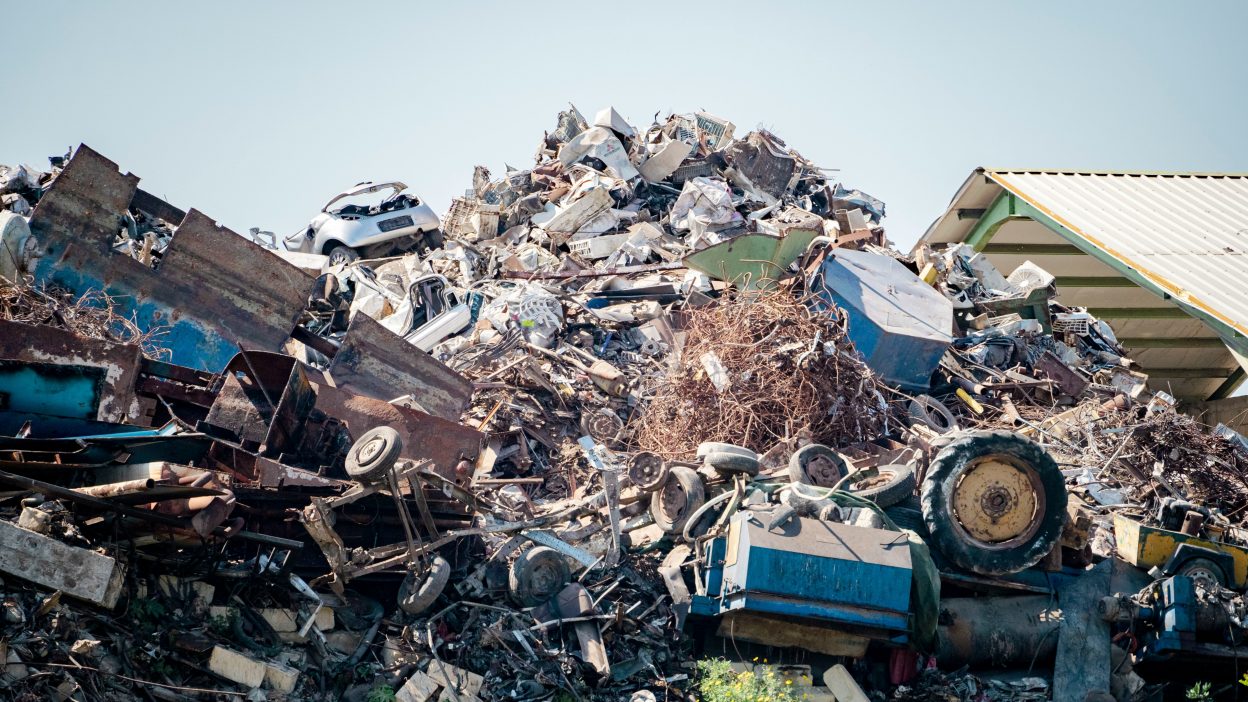
If you have ever pulled up to a scrapyard with a truckload of mixed metal and watched the attendant separate everything by hand before weighing it, you already know the frustration. Unsorted loads take longer to process, and in many cases, yards will offer a blended rate rather than pricing each metal at its individual market value. Learning the basics of ferrous vs non ferrous scrap metal in Dayton, OH is one of the simplest ways a first-time scrapper can walk away with a noticeably better payout. The sorting process is not complicated. It starts with a single magnet and a few minutes of your time before you ever leave the driveway.
Why Metal Classification Matters at the Scrapyard
Scrapyards do not price all metal equally, and for good reason. The market value of recycled metal is driven by global commodity prices, the cost of reprocessing, and the material’s end-use demand. Non-ferrous metals such as copper, aluminum, and brass are far more valuable per pound than ferrous metals like steel and cast iron. Mixing them together does not just slow down the weigh-in process. It can actually cost you money, because yards may default to pricing a mixed load at the lowest-value metal in the pile.
Understanding how metal classification works lets you advocate for your load, move through the scale line faster, and ensure each material is priced correctly. According to the Institute of Scrap Recycling Industries (ISRI), scrap metal recycling is a multi-billion dollar industry in the United States, and individual scrappers who arrive organized consistently get better results than those who do not.
The Magnet Test: Your Most Important Tool
You do not need expensive equipment to begin sorting scrap metal. A basic refrigerator magnet works, though a stronger rare-earth magnet gives you more reliable results on thicker or painted pieces.
What Sticks to the Magnet
If the magnet pulls firmly to the metal, you are holding a ferrous material. Ferrous metals contain iron as their primary component. Common examples include:
- Steel (structural beams, pipes, appliances, car frames)
- Cast iron (engine blocks, cookware, radiators)
- Wrought iron (fencing, decorative fixtures)
- Tin-plated steel (food cans, certain containers)
Ferrous metals are the most abundant type of scrap, and they are accepted at virtually every recycling facility. However, they are also the least valuable by weight. According to Recycler’s World, steel scrap typically trades at a fraction of what copper or aluminum commands per pound on the open market.
What Does Not Stick to the Magnet
If the magnet slides off or does not attract at all, you are holding a non-ferrous metal. These materials contain little to no iron and are generally worth significantly more per pound. Common non-ferrous metals include:
- Copper (wiring, plumbing pipe, motors)
- Aluminum (cans, window frames, gutters, wheels)
- Brass (fittings, valves, fixtures, decorative hardware)
- Stainless steel (some grades are weakly magnetic, so test carefully)
- Lead (old pipe, wheel weights, fishing sinkers)
- Zinc (die-cast parts, certain plumbing components)
The magnet test is reliable for the vast majority of metals you will encounter during a cleanout or construction job. Where it gets tricky is with certain stainless steel alloys, which can be mildly magnetic depending on their grade. When in doubt, set those pieces aside separately and ask the yard attendant to test them with a more precise instrument.
Common Household and Jobsite Items Sorted by Category
Knowing which everyday items fall into each category saves time at the curb and at the scale. Below is a practical breakdown organized by where you are most likely to find these materials.
Household Items
Ferrous (lower value):
- Washing machines and dryers
- Refrigerators and ovens (minus compressor and motor)
- Steel bed frames and shelving
- Food cans and tin containers
- Lawnmowers and power tool housings
Non-Ferrous (higher value):
- Copper wiring from lamps, appliances, and electronics
- Aluminum window frames, storm doors, and gutters
- Brass door handles, faucets, and cabinet hardware
- Copper plumbing pipe and fittings
Jobsite and Construction Items
Ferrous (lower value):
- Rebar and structural steel
- Steel conduit and pipe
- Old cast iron radiators
- Sheet metal cutoffs and ductwork
Non-Ferrous (higher value):
- Copper electrical wire (romex, THHN, armored)
- Aluminum flashing, siding, and roofing material
- Brass valves and plumbing fittings
- Copper pipe from HVAC and plumbing rough-ins
Approximate Value Tiers
While prices fluctuate with commodity markets, the general hierarchy holds consistent over time. Copper tends to command the highest price per pound, often several times more than aluminum. Brass and aluminum follow, with stainless steel in the middle range. Ferrous metals such as steel and cast iron sit at the lower end of the value scale but make up for it in volume.
The London Metal Exchange publishes daily commodity prices for base metals, and many scrapyard operators reference these benchmarks to set their buying rates. Checking current prices before you haul gives you a baseline for evaluating what a yard offers you.
Pre-Sorting Before You Arrive: Why It Pays Off
The single most effective thing a first-time scrapper can do is sort before loading the truck. Here is why that matters in practice.
Faster Weigh-In
Scrapyards handle dozens of loads per day. When a customer arrives with clearly separated materials, in separate containers or tied bundles, the attendant can process each category quickly. That translates to shorter wait times and a smoother transaction, especially during busy periods.
Accurate Pricing Per Material
When metals are mixed, yards face a choice: either take the time to sort the load themselves (which they may charge for, or factor into the rate) or price everything at the lowest common denominator. Pre-sorting guarantees that your copper is priced as copper, your aluminum as aluminum, and your steel as steel. Over the course of a year, that difference adds up considerably.
Better Negotiating Position
Arriving with a sorted, labeled load signals that you know what you have. Scrapyard operators respect customers who understand the material. It makes the transaction more efficient for both parties and positions you as a repeat customer worth keeping happy.
Practical Sorting Tips
You do not need specialized bins. Separate contractor bags, plastic totes, or divided sections of your truck bed all work fine. Label each section clearly, even if just with masking tape and a marker. Keep heavy ferrous material like steel and cast iron in one area, and protect softer, higher-value metals like copper from getting crushed or contaminated with dirt, which can affect grading.
Cleaner metal is graded higher. Copper stripped of insulation, for example, is typically classified as bare bright copper and carries a premium over insulated wire. Even a basic pocket knife and fifteen minutes of stripping before you arrive can noticeably increase your payout on copper wire.
Understanding Basic Grading
Beyond the ferrous and non-ferrous distinction, scrapyards use grading systems to classify material quality based on alloy composition, cleanliness, and form. The ISRI publishes standardized specifications known as the “scrap specifications circular” that most North American yards reference.
For practical purposes: bare bright copper is the highest grade, clean and stripped of insulation with no corrosion. Number 1 copper covers clean unalloyed pipe and wire, while Number 2 copper applies to slightly dirty or corroded material. Aluminum is graded by alloy type and cleanliness. Steel and iron are typically priced as a bulk commodity at smaller yards without sub-grading. Knowing these distinctions allows you to prepare your material appropriately and ask for the correct grade at the scale.
Wrapping It All Up: What Every Scrapper Should Take Away
Sorting scrap metal is not a complicated skill. It starts with a magnet you probably already own and a few minutes of attention before you load your truck. Understanding the difference between ferrous and non-ferrous materials, knowing which everyday items fall into each category, and taking the time to pre-sort before arriving at the yard are the three habits that separate scrappers who earn top dollar from those who leave money behind.
The scrap metal recycling industry rewards preparation. Commodity prices fluctuate, but the value of showing up organized does not. Whether you are clearing out an old workshop or demoing a bathroom, the magnet test takes seconds and the payoff at the scale is real.
For a full list of accepted materials and current guidelines on what can and cannot be recycled in your area, visit daytonxeniarecycling.com/what-you-can-cannot-recycle/. You can also find your nearest scrap recycling location on Google Maps to plan your drop-off route before you load.
Frequently Asked Questions
1. What is the easiest way to tell if a metal is ferrous or non-ferrous?
The magnet test is the fastest and most reliable method for most scrappers. Hold a magnet against the metal. If it sticks firmly, the material is ferrous and contains iron. If the magnet does not attract or slides off, the material is non-ferrous. This single test works accurately on the majority of metals you will encounter during household cleanouts or construction jobs.
2. Why is non-ferrous metal worth more than ferrous metal?
Non-ferrous metals like copper, aluminum, and brass are rarer, more difficult to extract from the earth, and have a broader range of industrial applications. They are also easier to recycle without significant degradation in quality. These factors drive higher demand and higher prices on global commodity markets compared to steel and cast iron.
3. Can I scrap appliances like washers and dryers?
Yes. Most major appliances are accepted at scrapyards as ferrous scrap. However, some components inside appliances, such as copper wiring in motors or aluminum parts, may qualify as non-ferrous and carry a higher value. Disassembling appliances before dropping them off and separating valuable interior components can increase your payout significantly.
4. Does dirty or corroded metal affect the price I receive?
Yes, cleanliness and condition affect the grade assigned to your material and therefore the price you are offered. Copper with heavy oxidation or attached materials like solder or insulation will be graded lower than clean, stripped copper. Removing insulation, cleaning off grease, and separating alloys all help you achieve a higher grade and a better payout.
5. Do I need to call ahead before bringing a large load to a scrapyard?
It is a good practice, especially for large or unusual loads. Some facilities have specific hours for certain materials, weight limits for walk-in customers, or requirements for commercial quantities. Calling ahead lets you confirm what is accepted, whether any special sorting is required, and whether you need a particular identification document for the transaction.