Cincinnati winters are known for something more frustrating than heavy snow: the constant cycle of freezing and thawing. This pattern makes ice dam prevention in Cincinnati, OH one of the most critical home maintenance concerns for local homeowners. Before the season sets in, investing in quality gutter installation in Cincinnati is one of the smartest steps you can take to protect your home from water damage that often goes undetected until it is far too late.
Ice dams are a silent threat. They form gradually, often overnight, and by the time a homeowner notices water staining on the ceiling or paint bubbling along an interior wall, significant structural damage may have already occurred. Understanding how ice dams form, what makes Cincinnati homes especially vulnerable, and what steps can be taken before winter arrives can save thousands of dollars in repairs.
What Are Ice Dams and How Do They Form?
An ice dam is a ridge of ice that builds up along the edge of a roof, typically at the eaves or just above the gutters. It prevents melting snow from draining off the roof properly. Instead of running into the gutters and downspouts, the water backs up behind the dam and can seep under shingles, into wall cavities, and eventually into the living space below.
The process works like this: heat escapes from a home through an inadequately insulated or ventilated attic. That heat warms the roof deck, causing snow near the ridge to melt. The meltwater flows down the slope of the roof toward the eaves, which remain cold because they extend beyond the warm interior space below. When that water hits the cold eave section, it refreezes. Over time, the ice builds up into a dam.
This cycle repeats multiple times throughout a Cincinnati winter, particularly because temperatures in the region frequently hover right around the freezing point. According to the National Weather Service, Cincinnati experiences frequent freeze-thaw cycles between December and February, which accelerates ice dam formation compared to climates that stay consistently cold.
Why Gutters Bear the Brunt of Ice Dam Damage
Gutters are positioned directly in the path of ice dam activity. When ice builds up at the eaves and expands, it adds significant weight to gutters. A single cubic foot of ice weighs approximately 57 pounds. When several feet of ice accumulate along a gutter run, the combined weight can pull the gutter away from the fascia board, bend the hangers, or cause the entire system to separate from the roofline.
Beyond physical weight, ice dams force water into areas it should never reach. Water that backs up under shingles can travel along the roof deck and enter the home at the point where the roof meets the exterior wall, which is often right above the gutter line. This means the gutter itself becomes a zone of concentrated damage both from the outside pressure of ice and the interior flow of meltwater.
Older sectional gutters are particularly vulnerable because each seam is a potential weak point. Ice can pry open joints that were previously watertight, leading to leaks even after the ice melts. According to the Insurance Information Institute, water damage and freezing are among the leading causes of homeowner insurance claims in cold-weather states, and much of that damage traces back to roofline and gutter failures during winter.
Preventive Steps Homeowners Can Take Before Winter
Taking action before temperatures drop is the most effective strategy. Once ice dams have formed, options become limited and more expensive. Here is what homeowners can do to reduce risk during the warmer months and early fall.
1. Improve Attic Insulation
The root cause of most ice dams is heat loss through the attic. If the attic floor is not sufficiently insulated, heat from the living space migrates upward, warms the roof deck, and starts the melt cycle that leads to damming. The U.S. Department of Energy recommends that attics in climate zone 4, which includes Cincinnati, have insulation values between R-38 and R-60. Many older Cincinnati homes fall well short of this standard.
Adding blown-in cellulose or fiberglass insulation to the attic floor can make a dramatic difference. It is also important to seal any air leaks around light fixtures, plumbing chases, and attic access hatches before adding insulation, since even small gaps can allow warm air to reach the roof deck directly.
2. Ensure Proper Attic Ventilation
Insulation alone is not enough if the attic is not properly ventilated. Proper ventilation allows cold outside air to circulate through the attic, keeping the roof deck at a uniform temperature that matches the cold exterior. This prevents the warm patches that trigger melting near the ridge while the eaves stay frozen.
A balanced ventilation system typically includes soffit vents at the eaves that bring in cold air and ridge vents at the peak that allow warm air to escape. The Building Science Corporation notes that unbalanced or blocked ventilation is one of the most common contributors to ice dam formation in residential buildings.
Homeowners should check that soffit vents are not blocked by insulation batts and that ridge vents or roof vents are clear of debris heading into winter.
3. Clean Gutters and Downspouts Thoroughly
Clogged gutters are a major contributing factor to ice dam severity. When gutters are packed with leaves, seed pods, and debris, water cannot drain freely even when temperatures are above freezing. That standing water freezes in place, providing the base layer for a much larger ice dam to form. It also adds weight to the gutter system at a time when it is already under stress.
Gutters should be cleaned at least once after the last significant leaf fall in the Cincinnati area, which typically occurs in late October or early November. Downspouts should be flushed to ensure they are clear all the way to the ground discharge point.
4. Trim Overhanging Tree Branches
Tree branches that hang over the roofline deposit leaves, twigs, and debris directly into gutters throughout the fall. They can also break under ice and snow loads and damage gutters or shingles on impact. Trimming branches back at least three to four feet from the roofline reduces debris accumulation and lowers the risk of branch impact damage during winter storms.
5. Inspect the Roof for Damaged or Missing Shingles
Before winter, it is worth having a professional assess the condition of the shingles, particularly around the eaves and valleys. Damaged shingles provide less resistance to water infiltration, meaning that if a small ice dam does form, the consequences can be far worse. Any cracked, curled, or missing shingles should be replaced before freezing temperatures arrive.
When to Call a Professional
Some preventive measures are well within the capability of an attentive homeowner. Others are better handled by professionals who have the tools, experience, and safety equipment to do the job correctly.
Seamless Gutter Upgrades
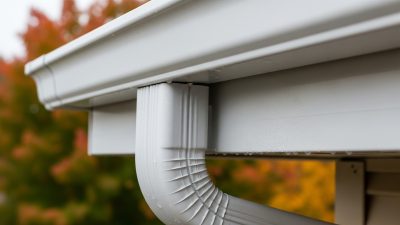
If a home still has older sectional gutters with multiple seams, upgrading to seamless gutters is one of the most impactful investments for winter protection. Seamless gutters are formed from a single piece of material, eliminating the seams where leaks most commonly develop. They are also custom-fit to the home, which improves their performance under ice loading. A licensed gutter professional can assess the current system, recommend the right material and profile, and install a system that handles Cincinnati’s demanding winter conditions.
You can also find a local gutter professional near you to evaluate your current system and recommend upgrades suited to your home’s roofline.
Heat Cable Installation
For homes that have a history of significant ice dam formation, heat cables (also called heat tape or roof deicing cables) offer an active solution. These cables are installed in a zigzag pattern along the eaves and inside gutters and downspouts. When temperatures drop, the cables generate a small amount of heat that creates channels for meltwater to drain rather than freeze.
Heat cable installation involves working on a roof at elevation, routing cables through downspouts, and connecting to appropriate electrical circuits. Improper installation can create fire hazards or provide inconsistent coverage, leaving portions of the gutter still vulnerable. A licensed contractor familiar with roof and gutter systems should handle this work.
When DIY Approaches Fall Short
Removing existing ice dams with a roof rake or calcium chloride is a reasonable emergency measure, but it does not address the underlying causes. Roof rakes can scratch shingles if used incorrectly. Calcium chloride, while effective at melting channels through ice, needs to be applied carefully to avoid plant damage and staining of siding. These are reactive measures only, and they should not replace the structural and insulation improvements that prevent ice dams from forming in the first place.
Wrapping Up: Protect Your Home Before Winter Arrives
Ice dams are not an unavoidable consequence of living in Cincinnati. They are largely preventable when homeowners take a proactive approach to attic insulation, ventilation, and gutter maintenance. The freeze-thaw cycle that characterizes local winters creates repeated opportunities for ice dam formation, which means the home systems that are supposed to channel water away, especially gutters, are under greater stress here than in regions with more stable winter temperatures.
Acting in the fall, before the first hard freeze, gives homeowners the best chance of avoiding the kind of interior water damage that can cost tens of thousands of dollars to remediate. Whether that means blowing in additional attic insulation, cleaning out debris-filled gutters, or calling a professional to assess whether seamless gutters or heat cables are the right fit, the time to act is before the ice arrives.
Frequently Asked Questions
Q: At what temperature do ice dams typically form in Cincinnati?
A: Ice dams form when roof surface temperatures fluctuate above and below freezing. In Cincinnati, this most commonly occurs when daytime temperatures rise above 32 degrees Fahrenheit and nighttime temperatures fall back below freezing. This cycle can repeat multiple times per week during a typical January or February.
Q: Can ice dams form even if there is not a heavy snowfall?
A: Yes. Ice dams do not require deep snow to develop. Even a thin layer of snow over a warm roof deck can produce enough meltwater to begin the damming process. The amount of heat escaping through the attic matters more than the depth of snow on the roof.
Q: Will adding more insulation to my attic definitely prevent ice dams?
A: Improved insulation significantly reduces the risk but may not eliminate it entirely, particularly if attic air sealing and ventilation issues are not also addressed. All three elements, insulation, air sealing, and ventilation, need to work together for the best results.
Q: How do I know if my gutters were damaged by ice dams last winter?
A: Signs of ice dam damage to gutters include gutters that appear to sag or pull away from the fascia, visible gaps between the gutter and the roofline, bent or separated hangers, and water staining on the siding below the gutterline. Interior signs include water stains on ceilings near exterior walls, peeling paint, or mold growth in attic corners.
Q: Are heat cables safe to use year-round?
A: Modern heat cables are designed to be left in place year-round, but they should only be energized during freezing conditions. Most systems use self-regulating cables that adjust their heat output based on ambient temperature, which improves energy efficiency and reduces the risk of overheating during warmer months. Always follow manufacturer guidelines and have installation performed by a qualified professional.