
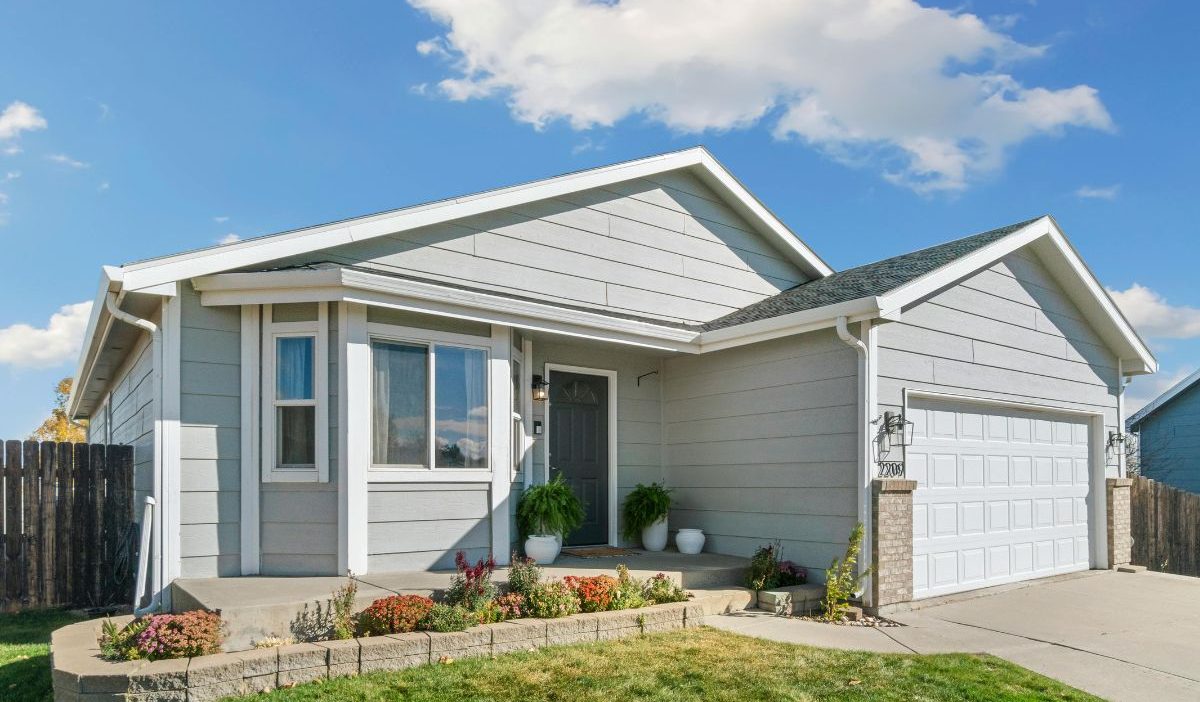
For homeowners planning a roof replacement, one of the most common questions is: is asphalt roofing worth it? Whether you are located in a mild climate or a region prone to heavy weather, choosing the right roofing material is one of the most significant home improvement decisions you will make. Asphalt roofing remains the most widely installed roofing material across North America, and for good reason. This guide breaks down the real costs, expected lifespan, maintenance demands, and overall value of asphalt shingles so you can make a confident, well-informed decision.
What Makes Asphalt Shingles So Popular?
Asphalt shingles have dominated the residential roofing market for decades. According to the National Roofing Contractors Association (NRCA), asphalt shingles account for roughly 70% of all roofing materials installed on homes in the United States. Their popularity is rooted in a combination of affordability, availability, and ease of installation.
There are three main types of asphalt shingles:
- 3-tab shingles: The most basic and budget-friendly option, with a flat, uniform appearance.
- Architectural (dimensional) shingles: Thicker, more durable, and designed to mimic the look of wood shake or slate. These are the most commonly recommended option today.
- Impact-resistant shingles: Engineered to withstand hail and severe weather, often qualifying homeowners for insurance discounts.
Understanding the differences between these types is the first step toward determining whether asphalt is the right investment for your specific home and climate.
Cost vs. Value: How Asphalt Roofing Compares to Other Materials
One of the clearest arguments in favor of asphalt shingles is their cost-to-value ratio compared to competing materials.
Asphalt vs. Metal Roofing
Metal roofing is growing in popularity due to its long lifespan of 40 to 70 years and minimal maintenance requirements. However, the upfront installation cost for metal roofing typically ranges from $10,000 to $25,000 or more depending on home size and material type. Asphalt shingle installation, by comparison, typically runs between $5,500 and $12,500 for an average-sized home, making it significantly more accessible for homeowners on a budget.
Asphalt vs. Slate or Tile Roofing
Natural slate and clay tile are premium materials with lifespans that can exceed 100 years. However, installation costs can range from $20,000 to $50,000 or more, and their weight often requires additional structural reinforcement. For most standard residential homes, slate and tile simply represent a larger investment than the home’s resale value warrants.
Asphalt vs. Wood Shake
Wood shake roofing offers a natural, rustic aesthetic but requires considerably more maintenance than asphalt to prevent moss, rot, and fire risk. Wood roofs also tend to cost more upfront and carry higher insurance premiums in fire-prone areas.
According to Remodeling Magazine’s Cost vs. Value Report, asphalt shingle roof replacement consistently ranks among the top remodeling projects for return on investment, often recouping 60% to 70% of costs at resale. This makes asphalt one of the smartest financial choices for homeowners who plan to sell within the next 10 to 15 years.
Lifespan and Durability: What to Realistically Expect
The lifespan of an asphalt roof depends largely on the shingle grade, installation quality, ventilation, and local climate conditions.
- 3-tab shingles typically last 15 to 20 years.
- Architectural shingles are rated for 25 to 30 years, with many manufacturers offering limited lifetime warranties under normal conditions.
- Impact-resistant shingles can perform reliably for 30 years or longer, especially in storm-prone regions.
It is important to note that warranty terms and actual performance can differ. Environmental stressors such as intense UV exposure, extreme temperature swings, and heavy wind or hail will shorten the service life of any roofing material. Proper attic ventilation and regular inspections play a significant role in reaching the upper end of a roof’s expected lifespan.
The Insurance Institute for Business and Home Safety (IBHS) has conducted extensive research on shingle performance under severe weather conditions. Their findings highlight that impact-resistant shingles, in particular, can significantly outperform standard asphalt in regions with frequent hailstorms.
Maintenance Requirements: Keeping an Asphalt Roof in Good Condition
One advantage asphalt shingles hold over many premium alternatives is their relatively low maintenance demand. That said, a few routine practices are essential to maximizing lifespan and preventing early deterioration.
Annual Inspections
Homeowners should schedule a professional roof inspection at least once per year, ideally in the fall before winter weather arrives. Inspectors check for cracked, curling, or missing shingles, deteriorated flashing around chimneys and skylights, and any signs of moisture infiltration in the attic.
Gutter Maintenance
Clogged gutters force water to back up under the roof’s edge, which can lead to ice dams in colder climates and accelerate shingle decay. Keeping gutters clear is one of the simplest ways to extend the life of an asphalt roof.
Moss and Algae Control
In humid climates, algae and moss growth on asphalt shingles is common. While primarily a cosmetic issue, unchecked moss can eventually trap moisture and degrade shingles over time. Zinc or copper strips installed near the roof ridge can inhibit biological growth, and periodic cleaning with a diluted bleach solution is generally effective.
Prompt Repairs
Addressing minor damage quickly, such as a handful of missing shingles after a storm, prevents small issues from escalating into larger structural problems. Many asphalt roofing repairs are relatively inexpensive and straightforward compared to repairs needed on metal or tile roofs.
When Asphalt Roofing Is the Best Investment for Your Home
Asphalt shingles are not the right choice in every situation, but they represent excellent value under the following circumstances:
1. Budget-conscious replacement: If upfront cost is a priority and you need a reliable roof installed promptly, asphalt shingles offer the lowest barrier to entry of any quality roofing material.
2. Mid-range homes: For homes valued in the mid-range for their local market, investing in premium roofing materials like slate or standing seam metal rarely yields a proportional return. Asphalt provides a realistic cost-to-value match for these properties.
3. Moderate to harsh climates: Architectural and impact-resistant asphalt shingles perform well across a broad range of weather conditions, including heat, cold, wind, and moderate hail. Homeowners in areas prone to severe weather should look specifically at Class 4 impact-resistant products.
4. Planning a sale within 15 years: Because asphalt roofing consistently ranks well in cost-vs-value reports, it is a sound investment for homeowners who anticipate selling their home within the expected lifespan of a new asphalt roof.
5. Availability of skilled installers: Asphalt shingles are the most widely installed residential roofing material, meaning qualified contractors are abundant, competition keeps pricing reasonable, and replacement materials are readily available if repairs become necessary down the road.
Final Thoughts on the Value of Asphalt Roofing
Making a Smart Roofing Decision
After weighing the costs, durability, maintenance expectations, and comparative value, asphalt roofing emerges as one of the most practical and financially sound choices for the majority of homeowners. It delivers reliable protection, a broad range of aesthetic options, and a cost structure that works across most home budgets.
No roofing material is perfect for every situation. If you own a high-value historic home, live in an area with extreme fire risk, or are seeking a roof with a 50-plus-year lifespan, exploring metal or tile options makes sense. But for the average homeowner seeking dependable, cost-effective protection with manageable maintenance demands, asphalt shingles deliver real and measurable value.
Homeowners in the area who want a professional perspective on whether asphalt is the right fit for their specific property can consult with a trusted local roofing specialist to review their options in detail.
Frequently Asked Questions (FAQs)
1. How long do asphalt shingles typically last?
The lifespan of asphalt shingles varies by type. Standard 3-tab shingles generally last 15 to 20 years, while architectural shingles are rated for 25 to 30 years. Impact-resistant shingles can last 30 years or more with proper maintenance and favorable conditions.
2. Is asphalt roofing a good investment for resale value?
Yes. According to industry cost-vs-value research, asphalt shingle roof replacements typically recoup 60% to 70% of their cost at resale and are among the highest-return exterior improvement projects a homeowner can undertake.
3. How does asphalt roofing compare to metal roofing in terms of cost?
Asphalt shingles are significantly less expensive upfront. A full asphalt roof replacement typically costs between $5,500 and $12,500, while metal roofing installations often start at $10,000 and can exceed $25,000 depending on the material and roof complexity.
4. What maintenance does an asphalt roof require?
Asphalt roofs need annual professional inspections, regular gutter cleaning, prompt repair of any damaged or missing shingles, and occasional treatment for moss or algae in humid climates. This level of maintenance is manageable and less intensive than wood shake or tile roofing.
5. Are there asphalt shingles designed for storm-prone areas?
Yes. Class 4 impact-resistant asphalt shingles are specifically engineered to withstand hail and high winds. Many insurers offer premium discounts for homes with these shingles installed, which can partially offset the higher product cost compared to standard architectural shingles.
6. What factors can shorten the lifespan of an asphalt roof?
Poor attic ventilation, inadequate installation, extreme UV exposure, repeated hail or wind events, and neglected maintenance are the most common factors that reduce an asphalt roof’s service life. Choosing a quality product and working with an experienced installer are the two most important variables within a homeowner’s control.
The article is good and helpful. The site is useful and accessible.