Whether you are planning a new home build, adding a driveway, installing a drainage system, or preparing land for a landscaping project, grading and excavation services are often the essential first step that sets the foundation for everything else. Property owners and contractors alike frequently search for information on what these services involve and how much they should expect to spend before committing to a project. Understanding the scope of grading and excavation work, along with the variables that drive costs, helps you plan your budget more accurately and avoid unexpected expenses. This guide walks you through the fundamentals of these services, what factors influence pricing, and why investing in professional work pays off in the long run. Whether your property is in a suburban neighborhood or a rural setting, knowing what to expect from grading and excavation professionals gives you a significant advantage.
What Are Grading and Excavation Services and Why Does Your Property Need Them?
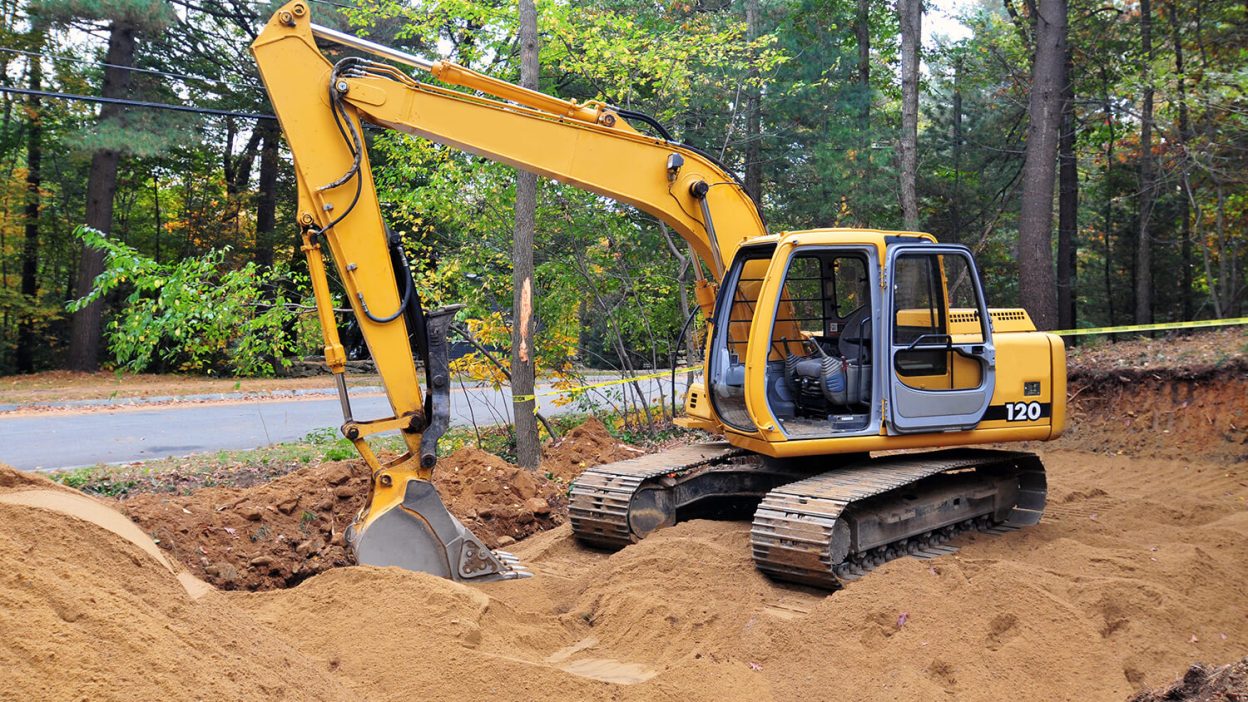
Grading refers to the process of leveling or reshaping the surface of land to achieve a desired slope, contour, or elevation. Excavation, on the other hand, involves the removal of soil, rock, or other materials from a site, typically to prepare it for a foundation, utility installation, or drainage system. Although these two processes are distinct, they are often performed together as part of a comprehensive site preparation package. Together, they create the conditions necessary for safe, stable, and functional construction or landscaping.
One of the primary reasons a property needs grading is drainage. When land is not properly graded, water can pool around a building’s foundation, in low-lying areas of a yard, or along driveways, causing erosion, flooding, and long-term structural damage. Improper drainage is one of the most common causes of basement water intrusion and landscape deterioration. Professional grading ensures that water flows away from structures and toward appropriate drainage outlets, protecting your investment.
Excavation becomes necessary when you need to go below the surface of the land. This might mean digging out a basement, trenching for water or sewer lines, removing tree stumps and roots, or creating a level pad for a deck or outbuilding. Without excavation, many of these construction tasks simply cannot be completed safely. Attempting to build on unstable or uneven subsurface conditions can lead to settling, cracking, and costly structural repairs down the line.
Beyond construction, grading and excavation services are also used in landscaping projects such as installing retaining walls, creating terraces on sloped lots, and preparing areas for sod, gardens, or hardscaping features. A well-graded yard improves both the usability and aesthetics of your outdoor space. It also reduces soil erosion, which can deplete nutrients and compromise the health of your lawn and plantings over time.
Typical Costs of Grading and Excavation and Factors That Influence Pricing
The cost of grading and excavation services can vary widely depending on the size and complexity of your project. According to HomeAdvisor, homeowners typically spend between $500 and $5,000 for basic land grading, while larger or more complex projects can exceed $10,000 or more. Excavation costs are often calculated separately and can range from $50 to $200 per cubic yard depending on the material being removed, the equipment required, and the local labor market.
Project Size and Scope
The most obvious factor affecting cost is the size of the area being graded or excavated. A small residential lot grading project will cost significantly less than preparing a multi-acre commercial site. Contractors typically price grading work by the square foot or by the hour, and excavation by the cubic yard of material removed. Larger projects naturally require more time, equipment, and labor, all of which add to the final bill.
Soil and Terrain Conditions
The type of soil and the existing terrain play a major role in determining how difficult and expensive a project will be. Sandy or loamy soils are generally easier to grade and excavate than clay-heavy or rocky ground. If a site contains large boulders, compacted clay, or dense tree root systems, additional equipment and labor will be required to complete the work. Rocky terrain in particular can significantly increase excavation costs because specialized tools and more time are needed to break through hard material.
Accessibility and Equipment Requirements
Sites that are difficult to access, such as steep hillsides, properties with narrow entry points, or areas near existing structures, may require smaller or more specialized equipment. Compact excavators or mini track loaders may be necessary in tight spaces, and while they are useful, they may work more slowly than full-size machinery, which extends labor time and costs. On the other hand, open and accessible lots allow for larger equipment that can complete work more efficiently.
Grading Type and Purpose
The purpose of the grading work also affects pricing. Simple surface grading to correct minor drainage issues is generally less expensive than slope grading for erosion control, finish grading around a new construction site, or grading a driveway or parking area. If grading is needed in preparation for a new foundation, the tolerances must be precise, which requires additional care and expertise. Grading to support a retaining wall or tiered landscaping design involves multiple elevation changes and more intricate planning.
Permit Requirements and Disposal Fees
Many local municipalities require permits for grading and excavation work, particularly for projects that disturb a significant area of land or involve substantial changes to drainage patterns. According to the U.S. Environmental Protection Agency, sites that disturb one acre or more of land may need to comply with stormwater management regulations. Permit fees vary by location and can add anywhere from a few hundred to several thousand dollars to project costs. Additionally, if excavated soil or debris needs to be hauled off-site, disposal fees will apply.
Labor Rates and Geographic Location
Labor costs differ depending on where you live. Urban areas and regions with a higher cost of living typically have higher rates for skilled equipment operators and site workers. The availability of local contractors also affects pricing, as high demand can drive up costs. Getting multiple quotes from reputable local professionals is always a good practice to ensure you are receiving competitive and fair pricing for your specific location.
How Professional Grading and Excavation Improve Safety, Efficiency, and Long-Term Property Value
One of the most important reasons to hire qualified professionals for grading and excavation work is safety. Excavation sites carry inherent risks including soil collapses, underground utility strikes, and equipment accidents. Reputable contractors follow OSHA guidelines for excavation safety, which include proper shoring, sloping, and utility identification before any digging begins. Attempting to excavate without the proper training or equipment greatly increases the risk of injury and property damage.
Professional grading and excavation also ensure that the work is done correctly the first time, which directly impacts the long-term performance of whatever is built on or around the site. A foundation that is poured on improperly prepared soil may settle unevenly, leading to cracks in walls, floors, and structural elements. Drainage systems installed without proper grading can fail to move water effectively, leading to recurring flooding and erosion. When skilled professionals prepare the site according to engineering specifications and local codes, these costly problems are avoided.
Efficient site preparation also reduces overall project timelines. When grading and excavation are completed accurately and on schedule, the trades that follow, such as concrete workers, plumbers, and landscapers, can begin their work without delays or corrections. This keeps the overall project on track and reduces the risk of cost overruns. Professional contractors also have access to GPS-guided grading equipment and laser levels that ensure precise results, which is especially important for large or complex sites.
From a property value standpoint, properly graded land improves curb appeal and functional usability. A yard with good drainage and a level or attractively contoured surface is more enjoyable to use and easier to maintain. If you ever decide to sell your property, a well-prepared lot with properly managed drainage is a selling point that appraisers and buyers notice. Conversely, visible erosion, pooling water, or unstable slopes can raise red flags during a property inspection and reduce your home’s market value.
Hiring a trusted local provider for your grading and excavation needs means working with professionals who understand regional soil conditions, local code requirements, and climate-related drainage challenges. You can learn more about professional services available in your area by visiting this local grading and excavation business to find experienced contractors near you.
Final Thoughts on Grading and Excavation Services
Investing in Proper Site Preparation Pays Off
Grading and excavation services form the backbone of nearly every construction and major landscaping project. Without a properly prepared site, even the most carefully designed structures and landscapes are vulnerable to drainage failures, settling, and long-term deterioration. Understanding what these services involve and what drives their cost helps property owners make informed decisions and budget appropriately.
The price you pay for professional grading and excavation is not just for the immediate work performed. It is an investment in the stability, safety, and longevity of everything that will be built or planted on your property. Cutting corners at the site preparation stage often leads to far more expensive repairs later, making it one of the areas where professional expertise delivers the greatest return.
If you are planning a project that requires land preparation, take time to research qualified contractors, obtain multiple quotes, and ask about their experience with projects similar to yours. Confirm that they carry the necessary licenses and insurance, and verify that permits will be handled appropriately for your location. With the right team in place, your project will have the solid foundation it needs to succeed.
Frequently Asked Questions About Grading and Excavation Services
1. What is the difference between grading and excavation?
Grading refers to reshaping or leveling the surface of land to achieve a desired slope or elevation, primarily for drainage and surface stability. Excavation involves removing soil, rock, or other material from below the surface, typically to create space for a foundation, utility lines, or other underground structures. Both processes are often performed together as part of site preparation, but they serve distinct purposes and may involve different equipment and techniques.
2. How do I know if my property needs grading?
Signs that your property may need grading include water pooling near your home’s foundation after rain, erosion patterns in your yard, uneven or sloping areas near structures, water intrusion in your basement, or runoff that drains toward rather than away from your home. A professional site evaluation can confirm whether grading is needed and what type of work would address the issues.
3. Do I need a permit for grading or excavation work?
Permit requirements vary by municipality and project size. Many jurisdictions require permits for grading that disturbs a significant area of land, alters drainage patterns, or is part of a larger construction project. It is important to check with your local building or planning department before work begins to determine what permits are required. A reputable contractor should be familiar with local requirements and can assist with the permitting process.
4. How long does a typical grading or excavation project take?
The timeline depends heavily on the size and complexity of the project, as well as soil conditions and equipment availability. A simple residential grading project might be completed in one or two days, while a large excavation for a new foundation or major drainage overhaul could take several weeks. Weather conditions can also affect scheduling, as wet or frozen ground may delay work or require special handling.
5. Can I do grading or excavation myself to save money?
Minor grading work, such as adding topsoil to low spots or redirecting surface water with a shovel and rake, can sometimes be handled as a DIY task. However, significant grading changes and any excavation work generally require professional equipment, expertise, and permits. Improper grading can worsen drainage problems rather than solve them, and excavation without proper safety protocols poses serious risks. For any project that involves significant land reshaping or digging, hiring a licensed professional is the recommended approach.