
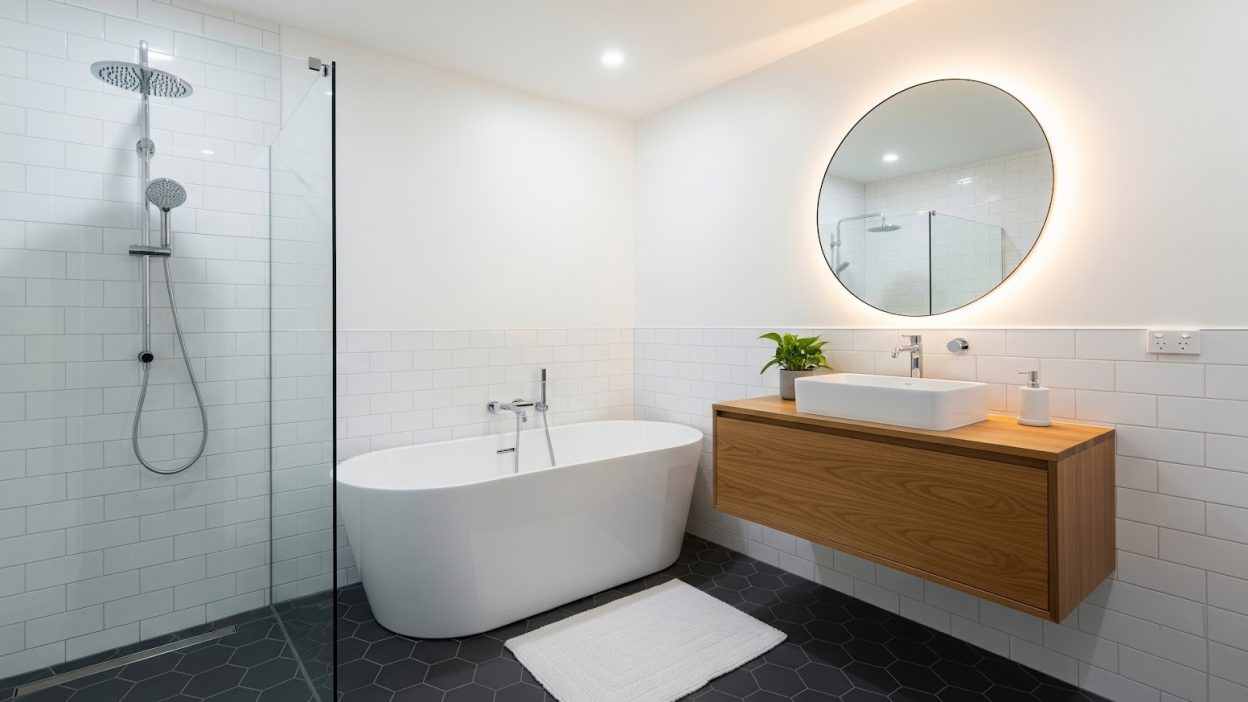
Planning a bathroom remodel is exciting until you realize you might be without a functioning shower or toilet for weeks. One of the first questions homeowners ask before tearing out tile is: how long will this actually take? Understanding the bathroom remodel timeline in Cincinnati, OH can mean the difference between a smooth project and a chaotic disruption to your daily routine. Whether you are refreshing an outdated powder room or gutting a master bath down to the studs, the scope of work, material lead times, and permit requirements all play a role in how long you will be living without your bathroom. For homeowners in the Cincinnati area considering a full renovation, working with experienced bathroom renovations professionals is one of the most reliable ways to stay on schedule and avoid costly surprises.
Why Timeline Planning Matters More Than You Think
Most homeowners underestimate how disruptive a bathroom remodel truly is. If your home has only one full bathroom, even a few extra days without it can create significant stress for the household. Planning around the timeline is not just about convenience. It is about budgeting, scheduling time off work for inspections, coordinating deliveries, and managing expectations with your contractor.
According to the National Kitchen and Bath Association (NKBA), the average bathroom remodel takes between three and five weeks for a standard renovation, though that range widens considerably depending on the scope of the project and unforeseen conditions behind the walls.
Typical Timelines by Scope of Work
Not all bathroom remodels are the same. The timeline varies significantly based on how much work is being done. Here is a realistic breakdown by project type.
Cosmetic Refresh: 1 to 2 Weeks
A cosmetic refresh involves surface-level updates without touching plumbing, electrical, or structural components. This might include repainting the walls, replacing light fixtures, swapping out a vanity, installing a new mirror, or re-caulking around the tub. Because no permits are typically required and there is minimal demolition, these projects move quickly.
Week one usually covers demolition of old fixtures, installation of new vanity and hardware, and painting. Week two, if needed, handles finishing touches like trim work, accessory installation, and final cleanup. Homeowners can often use a secondary bathroom during this phase with minimal disruption.
Standard Gut-and-Replace: 3 to 5 Weeks
This is the most common type of full bathroom remodel in Cincinnati. It involves demolishing the existing bathroom down to the studs, replacing the tub or shower, updating plumbing fixtures, installing new tile, laying new flooring, and finishing with new drywall and paint.
A realistic week-by-week breakdown looks like this:
Week 1: Demolition, removal of existing fixtures and tile, rough inspection of plumbing and electrical.
Week 2: Rough plumbing and electrical work, waterproofing in the shower area, cement board installation.
Week 3: Tile installation for shower walls and floor, which requires drying time between setting and grouting.
Week 4: Vanity and toilet installation, fixture trim work, glass enclosure or shower door installation.
Week 5: Punch list items, touch-up painting, final inspection, and project closeout.
This timeline assumes no major surprises behind the walls, materials are on-site before demolition begins, and inspections are scheduled in advance.
Full Custom Master Bath: 6 to 8 Weeks or More
A custom master bath renovation involves layout changes, plumbing reroutes, heated flooring systems, custom tile work, niche construction, and high-end fixture installation. These projects require more planning, more subcontractors, and more inspection phases.
Weeks one and two typically cover demolition and rough framing if any layout changes are being made. Weeks three and four handle plumbing and electrical rough-in, including any floor heating system installation. Weeks five and six are dedicated to tile work, which in a custom master bath can be extensive. Weeks seven and eight cover fixture installation, glass work, painting, and final inspections.
Custom projects can push beyond eight weeks if specialty materials are involved or if lead times on items like custom vanities, stone slabs, or specific tile are longer than expected.
The Five Most Common Causes of Delays (And How to Avoid Them)
Understanding what slows projects down is just as important as knowing the general timeline. Here are the five most common reasons bathroom remodels fall behind schedule in Cincinnati.
1. Permit Delays
Many homeowners are surprised to learn that a permit is required for most bathroom remodels involving plumbing or electrical work. In Hamilton County and the City of Cincinnati, pulling permits and scheduling inspections can add days or even a week to your project timeline if not handled proactively.
The best way to avoid this delay is to have your contractor pull permits before demolition begins, not after. A good contractor will factor permit lead times into the project schedule from day one.
2. Backordered Tile and Materials
Supply chain disruptions have made material availability less predictable in recent years. Tile, in particular, can have lead times of two to six weeks if it is a special order or imported product. If tile does not arrive until after demolition has begun, your project will stall.
The solution is to select and order all materials before the first wall comes down. Establish a staging area in your home or garage where materials can be stored and accounted for prior to the start of work.
3. Hidden Water Damage
Once walls and floors come up, contractors frequently discover water damage, mold, or rotted subfloor that was invisible before demo. This is especially common in older Cincinnati homes. Remediation adds time and cost, but ignoring it is never an option.
To prepare, ask your contractor to budget for a contingency period of two to five days for possible remediation. Having this buffer in the schedule reduces panic if and when something unexpected is found.
4. Plumbing Reroutes
Moving a toilet, adding a second vanity, or relocating a shower often requires rerouting supply lines or drain lines. This is skilled work that takes time and must be inspected before walls close up. Underestimating the complexity of plumbing changes is one of the most common reasons a three-week project stretches to five.
If your remodel includes any plumbing layout changes, make sure your contractor has a licensed plumber on the team and that the scope of rerouting is clearly defined before work begins. Resources like the International Association of Plumbing and Mechanical Officials outline code standards that affect how this work is scheduled and inspected.
5. Inspection Scheduling
In some Cincinnati jurisdictions, inspections must be scheduled several days in advance and inspectors have a narrow window to show up. If an inspection is missed or fails, work cannot proceed until it is rescheduled and passed. This can add three to seven days to any phase of the project.
Work with a contractor who has established relationships with local inspectors and understands the scheduling system in your municipality. Proactive scheduling at the start of each phase keeps the project moving.
Homeowner Prep Checklist: The Week Before Demo Day
One of the most overlooked factors in bathroom remodel timelines is how prepared the homeowner is on day one. Here is a practical checklist to complete the week before demolition begins.
Clear the bathroom completely. Remove all personal items, toiletries, towels, and decor. Everything should be out of the space, including inside cabinets and drawers.
Confirm all materials are on-site or scheduled for delivery. Tile, fixtures, vanity, mirror, and any specialty items should be accounted for before the first hammer swings.
Identify and set up your temporary bathroom. If you have only one full bath, coordinate with family members about using a neighbor’s shower, a gym membership, or a portable option during the heaviest phase of construction.
Protect adjacent spaces. Lay down protective flooring in hallways and rooms adjacent to the bathroom to prevent damage from foot traffic, tool movement, and dust.
Review the project schedule with your contractor. Confirm the inspection schedule, material delivery dates, and any decisions that still need to be made. Delayed decisions during the project are a major source of timeline slippage.
Secure valuables and fragile items. Construction vibration can affect shelves and walls throughout the house. Move anything that could fall or be damaged.
Set clear communication expectations. Agree with your contractor on how updates will be communicated and how quickly you will respond to questions that require homeowner input.
Wrapping Up: What a Realistic Timeline Looks Like
A well-planned bathroom remodel in Cincinnati does not have to be a nightmare. Cosmetic refreshes can be completed in one to two weeks, standard gut-and-replace projects typically run three to five weeks, and full custom renovations generally take six to eight weeks or more. The key variables are scope, material availability, permit timing, and what is discovered behind the walls.
Homeowners who take time to understand the process, prepare their space, and work with an experienced contractor are far more likely to stay on schedule and on budget. If you are ready to start planning your renovation, connecting with a local bathroom renovations specialist in the Cincinnati area can help you build a realistic timeline tailored to your specific project.
For additional guidance on bathroom remodeling standards and best practices, the National Association of Home Builders and This Old House offer helpful educational resources for homeowners at every stage of the planning process.
Frequently Asked Questions
Q: How long does a typical bathroom remodel take in Cincinnati?
A: The timeline depends on the scope of work. A cosmetic refresh takes one to two weeks, a standard gut-and-replace renovation takes three to five weeks, and a full custom master bath renovation can take six to eight weeks or longer. Permit timing, material availability, and unexpected conditions behind walls can extend any of these timelines.
Q: Do I need a permit for a bathroom remodel in Cincinnati?
A: Yes, in most cases. If the project involves any plumbing changes, electrical work, or structural modifications, a permit is required through the local jurisdiction. Your contractor should pull permits before work begins and schedule required inspections at each phase of the project.
Q: What is the most common cause of bathroom remodel delays?
A: Backordered materials and inspection scheduling are two of the most frequent culprits. Hidden water damage discovered during demolition is also a common cause of delays. Ordering all materials before demo begins and scheduling inspections in advance helps mitigate these risks.
Q: Can I live in my home during a bathroom remodel?
A: Yes, most homeowners remain in their homes during a bathroom renovation. However, if your home has only one bathroom, you will need to plan for an alternative for showering and other needs during the most active phase of construction. Discuss this with your contractor before work begins.
Q: How can I keep my bathroom remodel on schedule?
A: The best things a homeowner can do are select and order all materials before demolition starts, make design decisions early and stick to them, respond quickly to contractor questions, and complete the preparation checklist before demo day. Changing material selections or scope mid-project is the single fastest way to add time and cost to any renovation.

Great article that’s both interesting and accurate. The site
is definitely one of the most useful out there.
Insightful without being wordy — perfect balance. This website has earned permanent real estate.