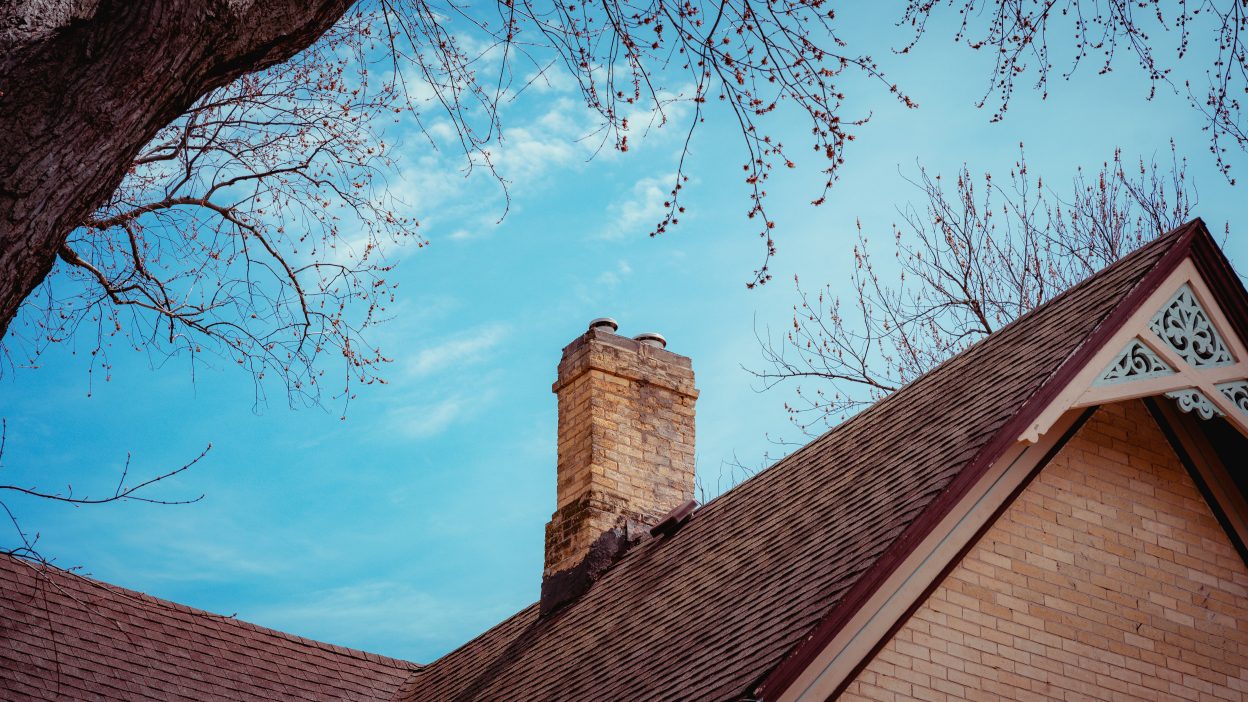
Your chimney is one of the hardest-working structural components of your home, yet it is also one of the most overlooked. Many homeowners never give their chimney a second thought until a serious problem forces them to act. Recognizing the signs chimney needs repair in Dallas, TX early can be the difference between a straightforward fix and a costly, dangerous structural failure. Understanding what to watch for, what causes chimney deterioration, and why professional service matters empowers you to make smart decisions that protect both your home and your family. This guide walks you through everything you need to know, from the first visible warning signs to the long-term benefits of timely chimney repair.
Why Chimney Health Matters More Than Most Homeowners Realize
A chimney does far more than give smoke a place to escape. It provides a sealed, ventilated pathway that directs combustion gases, carbon monoxide, and other byproducts safely out of your living space. When that seal is compromised by cracks, moisture infiltration, or crumbling mortar, those dangerous gases can seep back into the home. According to the Chimney Safety Institute of America (CSIA), carbon monoxide poisoning linked to faulty chimneys and heating appliances is a leading cause of accidental poisoning deaths in the United States. Beyond health risks, a deteriorating chimney can allow water into your walls, attic, and foundation, leading to mold growth, wood rot, and costly structural repairs. Treating chimney maintenance as a low priority is a gamble that rarely pays off.
Common Signs Your Chimney Needs Repair
1. Visible Cracks in the Chimney Structure
Cracks are one of the earliest and most telling indicators that your chimney has sustained damage. You may notice hairline fractures forming in the mortar joints between the bricks, or you may see larger gaps developing along the chimney crown, which is the concrete cap sitting at the very top. Left untreated, cracks allow water to penetrate the masonry, freeze during cold snaps, expand, and create progressively larger openings. In Dallas, temperature swings between summer heat and winter cold cycles put persistent stress on masonry, accelerating the cracking process. If you can see daylight through gaps in the mortar when looking at the exterior, or if chunks of masonry are falling away, that is a clear signal to call a professional immediately.
2. Crumbling or Missing Mortar
Mortar is the binding agent that holds the bricks of your chimney together, and it has a finite lifespan. Over the years, exposure to rain, heat, frost, and humidity causes mortar to erode, crumble, and eventually fall away in a process called spalling. When mortar deteriorates significantly, the structural integrity of the entire chimney is at risk because individual bricks lose their support system. A process known as tuckpointing, where old mortar is removed and replaced with new material, can restore the chimney’s stability if addressed before the damage becomes extensive. Homeowners who notice a powdery residue around the base of their chimney or who can pick out mortar with a finger should treat it as an urgent repair situation rather than a cosmetic inconvenience.
3. White Staining on the Exterior Brickwork
A chalky white discoloration called efflorescence appearing on the exterior surface of your chimney is a sign that water is moving through the masonry. As water travels through the brick and mortar, it carries soluble salts to the surface, which evaporate and leave behind that distinctive white crust. While efflorescence itself does not structurally damage brick, it is a reliable indicator that moisture is actively penetrating the chimney wall. Persistent moisture intrusion eventually leads to the more serious problems of spalling brick, cracked mortar, and interior water damage. If you notice white staining that reappears after cleaning, it is time to have a professional evaluate the source of the moisture infiltration.
4. Water Leaks and Staining Inside the Home
Water stains on walls or ceilings near your fireplace or chimney chase are a strong indication that your chimney has a leak. Common culprits include a damaged or missing chimney cap, deteriorated flashing where the chimney meets the roofline, a cracked chimney crown, or compromised mortar joints. Left unaddressed, interior water leaks can saturate insulation, rot structural wood framing, and create an environment where mold thrives. The National Fire Protection Association (NFPA) notes that water damage is among the most destructive forces affecting masonry chimneys over time. Spotting a brown or yellow stain on the ceiling near your fireplace is not something to paint over and forget, but rather a prompt to investigate the chimney thoroughly.
5. Smoke Backing Up Into the Home
If you light a fire and smoke begins filling the room rather than drafting up and out through the flue, your chimney has a draft problem that needs professional attention. Causes range from a blocked flue due to animal nests or debris accumulation to a damaged damper that no longer opens and closes properly. A chimney that is structurally compromised, with cracks or collapsed liner sections, can also disrupt the draft and push smoke and carbon monoxide back into living spaces. Beyond the immediate discomfort of smoke in your home, persistent backdrafting poses serious health and fire risks. Any time smoke does not draft correctly, the chimney should be inspected and cleaned before the fireplace is used again.
6. Damaged or Deteriorating Chimney Flashing
Flashing refers to the thin strips of metal, typically galvanized steel or aluminum, that seal the joint between the chimney and the roof. When flashing pulls away from the chimney, corrodes, or develops gaps, rainwater flows directly into the gap and down into the attic or wall cavity. Damaged flashing is one of the most common sources of roof and ceiling leaks that homeowners mistakenly attribute to roofing problems. A professional chimney technician will inspect the flashing as part of a comprehensive chimney evaluation and recommend repair or replacement as needed. Addressing flashing issues promptly prevents water damage that can cost thousands of dollars to remediate.
7. Shaling or Fallen Flue Tiles
The flue liner, which is usually made of clay tile or stainless steel, protects the masonry walls of the chimney from the heat and corrosive byproducts of combustion. When clay tile liners crack and begin to break apart, pieces called shaling can accumulate at the bottom of the firebox. If you look into your fireplace and notice thin, flat pieces of clay tile resting on the firebox floor, your liner has likely failed and the chimney should not be used until it has been professionally repaired or relined. Operating a fireplace with a damaged liner creates a direct fire hazard because heat and sparks can reach combustible framing materials within the walls. This is one of the most serious warning signs and demands immediate professional evaluation.
What Causes Chimney Problems to Develop?
Weather Exposure and Thermal Cycling
Dallas-area homeowners experience a challenging climate for chimney masonry, combining intense summer heat, periodic freeze-thaw cycles in winter, and significant rainfall throughout the year. Thermal expansion and contraction stress mortar joints and brick over time, while water that penetrates masonry and then freezes accelerates spalling and cracking. The combination of UV exposure and moisture makes even high-quality masonry vulnerable to gradual degradation. Understanding that climate is an inherent enemy of chimney masonry helps homeowners appreciate why annual inspections are not overcautious but prudent.
Age of the Structure
Most masonry chimneys are designed to last several decades, but they are not maintenance-free and they do age. Mortar joints on older chimneys may have never been tuckpointed and can be decades past their serviceable lifespan. Older clay tile liners are particularly susceptible to cracking from the thermal shock created by modern high-efficiency stoves or gas inserts, which produce different combustion temperatures than the wood fires the liner was originally designed for. Homes built before the 1990s often have chimneys that have reached a point in their lifespan where professional evaluation and targeted repairs are genuinely necessary for safe operation.
Deferred or Absent Maintenance
Perhaps the most preventable cause of chimney deterioration is the simple absence of regular care. Without annual cleaning, creosote, which is a flammable byproduct of wood combustion, accumulates inside the flue and becomes a significant chimney fire risk. Without periodic inspections, minor issues such as a small crack in the crown or a slightly loose flashing seal go undetected until they escalate into major repairs. The CSIA recommends annual inspections for all chimneys, regardless of how frequently they are used, because even unused chimneys can sustain weather damage and become entry points for animals, pests, and moisture.
The Benefits of Professional Chimney Repair
Safety First
The most compelling reason to invest in professional chimney repair is safety. A certified chimney technician has the training and equipment to identify hazards that are invisible to an untrained eye, including hairline cracks in the flue liner, improperly sealed joints, and hidden water damage within the chase. Professionals can also assess carbon monoxide risk and ensure that your chimney system is venting combustion gases completely and safely. Attempting to evaluate or repair chimney issues without proper knowledge and tools can result in missed problems or repairs that fail prematurely, leaving your family exposed to real danger.
Long-Term Cost Savings
Addressing chimney problems early is almost always far less expensive than waiting until a minor issue becomes a major structural failure. A simple mortar tuckpointing job costs a fraction of a full chimney rebuild, and repairing a cracked chimney crown is significantly cheaper than replacing the entire crown and addressing the water damage that results from years of moisture intrusion. Professional chimney service also extends the usable lifespan of the chimney as a whole, preserving a significant home investment and avoiding the premium costs associated with emergency repairs. A well-maintained chimney can serve your home reliably for generations with the right care.
Improved Efficiency and Performance
A chimney that is structurally sound and properly sealed drafts more effectively, which means your fireplace or heating appliance operates at peak efficiency. Poor draft caused by structural issues forces your heating system to work harder, consuming more fuel and producing less heat. Repairs to the damper, flue liner, and chimney cap restore proper airflow and combustion dynamics. Homeowners who invest in chimney repair often notice an immediate improvement in fireplace performance and a reduction in smoke intrusion, making the fireplace a genuinely enjoyable and functional part of the home again.
Taking the Right Next Step
If you have noticed any of the warning signs described in this guide, the smartest course of action is to schedule a professional chimney inspection without delay. A qualified chimney repair specialist in Addison, TX can conduct a thorough evaluation, identify all existing and emerging issues, and provide a transparent repair plan that addresses problems in order of urgency. Inspections are also an ideal opportunity to ask questions about maintenance practices, chimney cap replacement, or waterproofing treatments that can significantly extend the life of your chimney. Being proactive rather than reactive is always the approach that saves time, money, and stress in the long run.
Final Thoughts: Protecting Your Home Starts at the Top
A chimney that is showing warning signs is not something that will heal on its own. Cracks deepen, mortar crumbles further, water finds new pathways, and what began as a manageable repair can become a safety emergency or a four-figure restoration project. The good news is that recognizing the signs chimney needs repair early, and acting on them promptly, keeps both the cost and the risk manageable. Annual inspections, timely repairs, and a relationship with a trusted chimney professional are the pillars of responsible chimney ownership. Your chimney was built to protect your home for decades, and with proper attention, it can continue to do exactly that.
Frequently Asked Questions
Q: How often should a chimney be inspected?
A: Industry experts and organizations like the Chimney Safety Institute of America recommend having your chimney professionally inspected at least once per year. This applies whether you use the fireplace frequently or rarely, because even an unused chimney can experience weather damage, animal nesting, and mortar deterioration that only an inspection can detect. Annual inspections are the most effective way to catch small problems before they develop into costly or dangerous ones.
Q: Can I repair chimney mortar myself?
A: While small cosmetic mortar repairs may seem straightforward, professional tuckpointing requires the right mortar mix, the correct application technique, and a thorough understanding of how water and temperature affect the repair long-term. Using the wrong mortar type, for instance mortar that is harder than the surrounding brick, can actually cause the brick itself to crack over time. For anything beyond a very minor surface repair, hiring a qualified masonry professional ensures the work is done correctly and that the underlying cause of the deterioration has been properly identified.
Q: What does it mean if my chimney is leaning or pulling away from the house?
A: A chimney that is visibly tilting or separating from the exterior wall is a serious structural concern that requires immediate professional evaluation. This type of movement typically indicates foundation settlement beneath the chimney, failure of the footing, or significant deterioration of the masonry structure. A leaning chimney is not a cosmetic issue and should be taken out of service until a structural assessment has been completed. Do not delay in contacting a professional if you observe this type of movement.
Q: Is a chimney cap really necessary?
A: Yes, a chimney cap is one of the most cost-effective protective devices you can install on your chimney. It prevents rainwater from falling directly into the flue, blocks animals and birds from nesting inside the chimney, and keeps debris like leaves and twigs from accumulating in the flue. Missing or damaged chimney caps are a leading cause of moisture-related chimney damage and animal intrusion. Replacing a damaged cap is a relatively minor investment that prevents a wide range of more serious and expensive problems.
Q: How do I know if my chimney flue liner is damaged?
A: Some signs of a damaged flue liner are visible to homeowners, such as pieces of clay tile accumulating in the firebox, but many liner failures can only be detected with a professional chimney camera inspection. Other indicators include smoke backing up into the room during a fire, unusual odors coming from the fireplace when it is not in use, and visible cracks or gaps visible at the cleanout opening. Because a compromised flue liner is a direct fire and carbon monoxide hazard, any suspected liner damage should be evaluated by a certified chimney sweep using proper inspection equipment before the fireplace is used again.