When your furnace breaks down in the middle of January, the last thing you want to hear is “we’re not sure how long it will take.” Knowing exactly what to expect from a furnace installation helps you plan for downtime, arrange temporary heat, and avoid surprises. If you are wondering how long does furnace installation take in Columbus, OH, the honest answer is: it depends on several key variables. For most straightforward gas furnace swaps, the entire process wraps up in a single day. More complex jobs can stretch into a second day. This guide walks you through realistic timelines, the factors that add hours to a project, and smart steps you can take to help the crew work faster.
The Standard Same-Day Gas Furnace Swap: 4 to 8 Hours
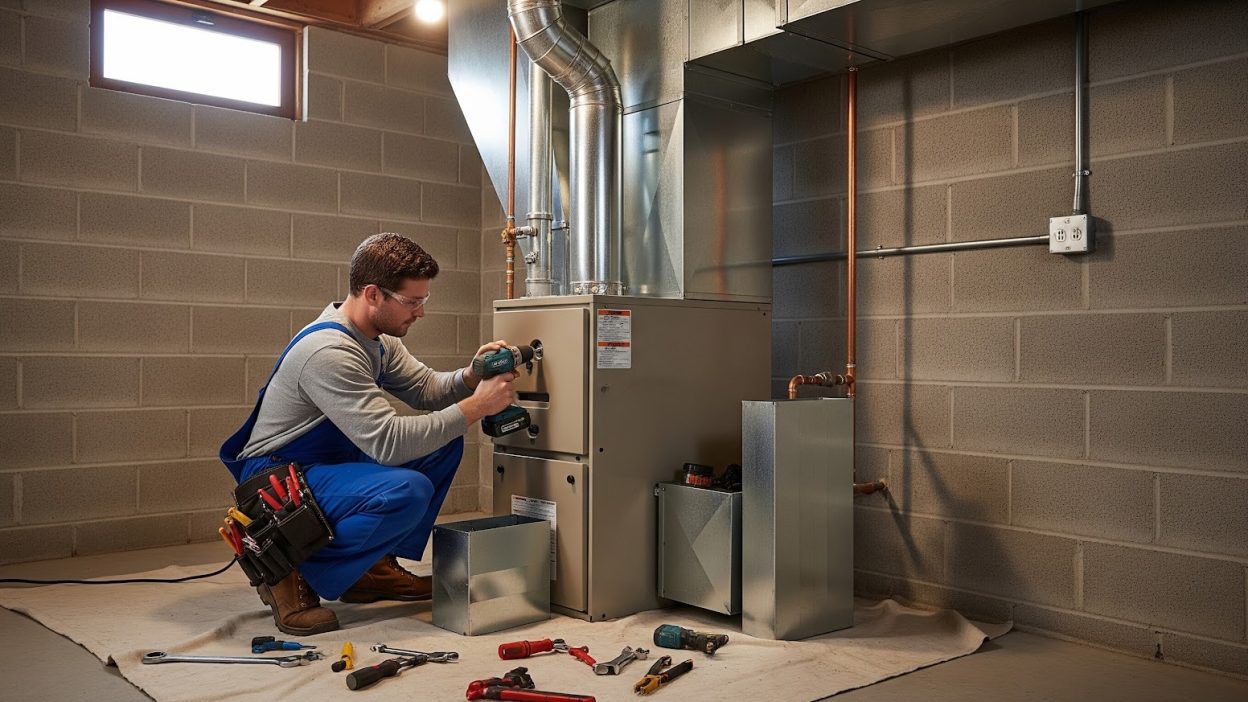
The most common scenario is a direct equipment replacement: your existing gas furnace is removed and a new unit of the same fuel type goes in the same location, connecting to existing ductwork and gas lines. Under these conditions, most experienced HVAC technicians complete the job in four to eight hours.
Here is what that time typically looks like:
Hours 1 to 2: The crew arrives, reviews the site, shuts off gas and electrical connections, and removes the old furnace. This phase can move quickly in an accessible basement or utility closet but may slow down in a tight space.
Hours 2 to 5: The new unit is positioned, leveled, and connected to the existing gas supply, flue, and return air plenum. Electrical wiring and thermostat connections are made. Technicians conduct a thorough leak check on all gas fittings.
Hours 5 to 8: The system is powered on, tested through multiple heating cycles, airflow is balanced, and the thermostat is calibrated. The crew walks you through basic operation and maintenance.
According to the U.S. Department of Energy, modern high-efficiency furnaces operate at annual fuel utilization efficiency (AFUE) ratings of 90 percent or higher. Upgrading to one of these models is one of the single most cost-effective improvements a homeowner can make, but the venting requirements for high-efficiency units can add time to the job, which we cover below.
Complex Installations: 1 to 2 Days
Not every furnace replacement is a simple swap. If your project falls into any of the following categories, plan for at least a full day and possibly two.
New ductwork or significant duct modifications: If your home has never had forced-air heating, or if the existing ducts are undersized, damaged, or configured poorly, sheet metal work will extend the job substantially. Designing, fabricating, and hanging new duct runs for even a mid-sized home can add four to eight hours on its own.
Fuel type conversion: Switching from oil or propane to natural gas requires a licensed plumber or gas fitter to run a new supply line. Permitting, inspections, and coordination with the utility company can push a conversion project across two days or longer.
Relocation of the unit: Moving a furnace from one area of the home to another means running new gas lines, new electrical circuits, new flue penetrations, and new duct connections. This is essentially a new installation rather than a swap.
Commercial or oversized residential systems: Larger homes with zoned systems or multi-stage equipment take longer due to more complex controls, larger equipment, and more connection points.
Five Factors That Add Time to Any Furnace Installation
Even on a job that looks simple from the outside, certain conditions can push the timeline past the eight-hour mark. Here are the five most common culprits.
1. Home Age and Existing Infrastructure
Older homes built before the 1980s often present complications that newer construction does not. Galvanized or cast-iron gas piping may require upgrades to meet current code. Electrical panels in older homes sometimes lack a dedicated circuit for a modern air handler. Duct systems in pre-1970s homes frequently use non-standard sizing that requires custom transitions. Any of these issues discovered mid-job adds time for sourcing parts and completing the additional work.
2. Attic vs. Basement Location
A furnace installed in a finished basement with adequate ceiling height and clear access paths is the easiest scenario. An attic installation is the most challenging. Moving a heavy furnace unit up a pull-down staircase or through a small attic hatch requires more labor and more time. Working in an attic during winter also means colder conditions for the crew, which slows progress. A typical attic installation can add two to three hours compared to a ground-level job.
3. Permit Inspections
Most jurisdictions in the United States require a mechanical permit for furnace installations, and many require a final inspection before the system can be commissioned. The permit itself is usually pulled in advance, but if a city inspector must visit the job site before the gas can be turned on, scheduling that inspection adds a variable outside the contractor’s control. In some municipalities, inspections are available the same day. In others, the wait can be 24 to 48 hours. The International Association of Plumbing and Mechanical Officials (IAPMO) publishes model codes that many local jurisdictions adopt, and understanding your local requirements helps you plan accordingly.
4. High-Efficiency Venting Upgrades
Standard mid-efficiency furnaces vent through a metal flue that often ties into an existing chimney. High-efficiency condensing furnaces (90 percent AFUE and above) cannot use traditional metal chimneys because their exhaust gases are cooler and wetter. They require PVC intake and exhaust pipes that typically run horizontally through an exterior wall. If your home has never had this type of venting, the crew must cut new wall penetrations, run PVC piping, and seal and flash the exterior openings. This work adds one to three hours to the project.
5. Asbestos Abatement
Homes built before 1980 sometimes contain asbestos insulation on ductwork, pipe insulation, or furnace components. If a technician encounters suspected asbestos-containing materials during the removal process, work stops. By law, an asbestos abatement contractor must test and remediate the affected materials before HVAC work can resume. This is not a same-day fix. Abatement can take anywhere from a day to several days, depending on the extent of the material and local regulations. Homeowners in older properties should consider having a pre-inspection completed before scheduling furnace work.
How to Prepare Your Home and Shave Hours Off the Project
One of the most overlooked ways to speed up a furnace installation is simply getting the workspace ready before the crew arrives. HVAC technicians are skilled at their trade, but they are not movers. Time spent clearing a path is time not spent installing your new system.
Clear a path from the entry door to the furnace. Remove furniture, boxes, area rugs, and anything else that could slow the movement of a 150-plus-pound furnace unit through your home.
Empty the area around the existing furnace. Technicians need at least three feet of clear working space on all accessible sides of the unit. Storage items, water heaters, laundry equipment, and shelving should be moved at least the day before.
Locate your electrical panel. Know where your breaker box is and confirm the furnace circuit breaker is labeled. This saves five to fifteen minutes of hunting at the start of the job.
Confirm thermostat access. If your thermostat is behind a piece of furniture or in a room the crew has not been shown, point it out when they arrive.
Have your permit information ready. If you pulled the permit yourself or your contractor asked you to post it, have it visible and accessible before the crew arrives.
Arrange for pets and children to be in a separate area. An open exterior door for equipment staging means cold air, and the frequent movement of heavy equipment is a safety concern for small children and pets.
Taking these steps the evening before the scheduled installation can realistically save one to two hours on the job day.
What Happens After the Furnace Is Running
Once the new system is operational, the technician should walk you through the basics: how to replace the filter, how to read the diagnostic LED codes on the control board, what the normal sounds of startup and shutdown are, and how to reset the system after a fault. Ask about the manufacturer’s warranty registration process, as many warranties require registration within 30 days of installation.
You can also find local service providers and verify their service areas by checking their Google Maps listing before scheduling any follow-up maintenance visits.
Most manufacturers recommend a professional tune-up once a year, typically in the fall before heating season begins. The Air Conditioning Contractors of America (ACCA) provides guidance on proper maintenance intervals and what a quality tune-up should include.
Wrapping Up: What You Should Take Away from This Guide
Understanding the full arc of a furnace installation, from permit to final inspection, helps homeowners make smarter decisions under pressure. A standard gas furnace replacement in an accessible, code-compliant home takes four to eight hours. Complex jobs involving new ductwork, fuel conversions, difficult access locations, or unexpected material hazards can stretch across one to two days. The five factors most likely to add time are home age, attic placement, permit inspection scheduling, high-efficiency venting, and asbestos abatement. Preparing the workspace before the crew arrives is the single most effective action a homeowner can take to keep the project on schedule and minimize time without heat.
Frequently Asked Questions
Q: Can a furnace installation really be done in one day? Yes. The majority of residential gas furnace replacements, where the fuel type, location, and ductwork remain unchanged, are completed within a single eight-hour workday. Complications that arise during the job can extend this, but a skilled crew on a straightforward swap routinely finishes by mid-afternoon.
Q: Do I need a permit for a furnace replacement? In most U.S. jurisdictions, yes. A mechanical permit is required for furnace installations, and a city inspector may need to approve the work before the gas is turned on. Your HVAC contractor typically handles the permit application, but it is worth confirming this before work begins. Skipping the permit can create issues when you sell your home and can void your equipment warranty.
Q: Will I have heat at the end of the installation day? In most cases, yes. Contractors schedule furnace installations knowing the homeowner needs heat restored the same day. If an unexpected complication arises, a reputable company will arrange a temporary heating solution, such as a portable electric heater, until the permanent system is operational.
Q: How does the location of my furnace affect the installation timeline? A furnace in a finished basement or a ground-level utility room with good access is the fastest scenario. Crawl space installations and attic installations add time due to limited working space and the physical challenge of moving heavy equipment into position. Attic jobs in particular can add two to three hours to a standard installation.
Q: What should I do if my furnace fails during the night in winter? Contact a licensed HVAC company as soon as possible, even after hours, as many offer emergency service. Use portable electric space heaters rated for indoor use in the rooms where family members will sleep. Keep interior doors closed to retain warmth. If temperatures inside drop below 55 degrees Fahrenheit, protect plumbing by allowing faucets to drip slowly and opening cabinet doors under sinks along exterior walls.