Knowing how often should you service your boiler is one of the most important things a homeowner can understand about home maintenance. Many people only think about their boiler when something goes wrong, but waiting for a breakdown is a costly mistake. If you rely on a boiler for heat and hot water, routine servicing is essential for keeping your system running safely and efficiently. When issues do develop, working with a qualified technician for residential boiler repair is the best way to restore performance and protect your investment. This guide covers how often boiler servicing should happen, what to expect during a service visit, and why staying on a regular maintenance schedule pays off in the long run.
The Recommended Boiler Service Frequency
The general industry recommendation is to have your boiler professionally serviced once a year. Annual servicing aligns with guidance from organizations like the U.S. Department of Energy, which advises homeowners to schedule heating system tune-ups every year to maintain efficiency and catch potential problems early.
For most households, the best time to schedule a boiler service is in late summer or early fall, before the heating season begins. This way, any issues discovered during the inspection can be addressed before you depend heavily on the system for warmth. Scheduling during the off-season also tends to be easier, since HVAC professionals are less in demand than they are during peak winter months.
There are situations where more frequent inspections may be warranted:
- Older boilers (15 years or more): Aging systems experience more wear and may need semi-annual checkups to stay reliable.
- Hard water areas: Mineral buildup in pipes and heat exchangers can accelerate faster in regions with hard water, requiring closer monitoring.
- High-use households: Homes that run their boiler heavily through long, cold winters may benefit from a mid-season check.
- After a long period of inactivity: If your boiler sits unused for several months, a professional inspection before restarting it is a smart precaution.
Warranty requirements are another reason to stay on schedule. Many boiler manufacturers require documented annual servicing to keep the warranty valid. Skipping a year could void your coverage just when you need it most.
What Is Included in a Typical Boiler Service?
A professional boiler service is a thorough inspection and tune-up, not simply a quick glance at the unit. Understanding what is involved helps homeowners know what to expect and why the visit is worth the cost.
Visual and Physical Inspection
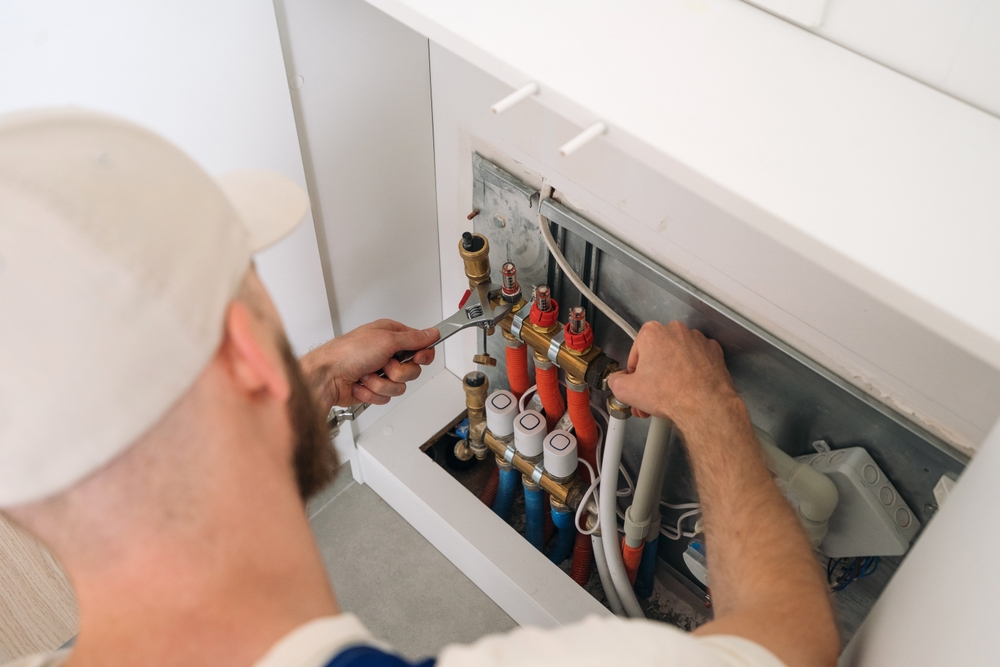
The technician starts with a full visual inspection of the boiler and its components. This includes checking for signs of corrosion, leaks, or physical damage to the unit, pipes, and connections. The flue and ventilation system are examined to make sure combustion gases are venting safely to the outside.
Combustion Analysis
One of the most critical parts of a boiler service is testing combustion performance. The technician measures the levels of carbon monoxide and other combustion byproducts to confirm the boiler is burning fuel cleanly and efficiently. A poorly tuned boiler can produce dangerous levels of carbon monoxide, which is colorless and odorless, making it impossible to detect without proper equipment. According to the Centers for Disease Control and Prevention (CDC), carbon monoxide poisoning sends tens of thousands of people to emergency rooms each year, and faulty heating appliances are a leading cause.
Cleaning Key Components
Over time, soot, scale, and debris accumulate inside the boiler, reducing efficiency. During a service visit, the technician cleans the heat exchanger, burners, and other internal components. This cleaning step directly impacts how efficiently the boiler converts fuel into heat.
Testing Safety Controls and Pressure
The pressure relief valve, thermostat, and other safety controls are tested to verify they operate correctly. The water pressure in the system is checked and adjusted if needed. Low or high pressure can affect performance and, in some cases, create safety risks.
Checking the Expansion Tank and Circulator Pump
The expansion tank absorbs pressure fluctuations in the system, and the circulator pump moves hot water through the pipes and radiators. Both are inspected for proper function.
System Report and Recommendations
At the end of the visit, a good technician will walk you through their findings, note any parts that are showing wear, and provide recommendations for repairs or upcoming maintenance needs. This gives homeowners a clear picture of their system’s health.
Benefits of Regular Boiler Servicing
Investing in annual boiler maintenance offers a range of practical benefits that go well beyond avoiding an inconvenient breakdown.
Extended Equipment Lifespan
A well-maintained boiler lasts significantly longer than one that is neglected. The average boiler lifespan is between 15 and 30 years depending on the make, model, and how well it has been cared for. Routine servicing removes buildup, keeps components lubricated, and catches wear before it causes permanent damage. Over the life of the appliance, those annual service visits add years to its operational lifespan.
Lower Energy Bills
A dirty or poorly tuned boiler works harder to produce the same amount of heat, which means it consumes more fuel. The U.S. Energy Information Administration notes that space heating accounts for a significant portion of home energy use. Keeping a boiler clean and well-calibrated through regular maintenance helps it operate at peak efficiency, which translates directly to lower monthly utility costs.
Prevention of Costly Repairs
Many major boiler failures begin as small, easily fixable issues. A cracked seal, a faulty pressure valve, or a buildup of scale in the heat exchanger may not cause immediate problems but will eventually lead to a more serious failure if left unaddressed. Regular service catches these issues early, when they are inexpensive to fix. Emergency repairs, on the other hand, often cost several times more than routine maintenance.
Improved Safety
Boilers that burn natural gas or oil carry inherent safety risks if not properly maintained. Carbon monoxide leaks, gas line issues, and pressure problems can all pose serious hazards. Annual servicing verifies that safety controls are functioning and that combustion is happening correctly, giving homeowners confidence that their heating system is not creating a hidden danger.
Warranty and Insurance Compliance
As noted earlier, many manufacturers require annual professional service to maintain the warranty. Some homeowner insurance policies also have clauses related to heating system maintenance. Staying current with servicing protects both your warranty and your insurance coverage.
Choosing the Right Professional for Boiler Service
Not every HVAC technician has the specific training and experience needed to service a boiler properly. When selecting a professional, look for certifications relevant to your boiler type. Gas boilers should be serviced by technicians certified in gas appliance work. Oil boilers require a technician with experience in oil heating systems.
Ask whether the company services boilers regularly, not just furnaces or heat pumps. Boiler systems have unique components and require specific diagnostic knowledge. Reading reviews and asking for references from other homeowner clients can help you identify a reliable service provider in your area.
Homeowners searching for qualified residential boiler repair professionals can also benefit from checking local listings and verified service records to find technicians with hands-on boiler experience.
Simple Maintenance Steps Homeowners Can Do Between Services
While professional servicing is essential, there are a few things homeowners can do throughout the year to support boiler performance.
- Check the pressure gauge regularly. Most boilers operate best between 1 and 1.5 bar. If the pressure drops too low, you may need to top up the system.
- Bleed radiators annually. If radiators have cold spots at the top, trapped air is reducing efficiency. Bleeding them releases the air and restores proper heat distribution.
- Keep the area around the boiler clear. Avoid storing items near the boiler that could block airflow or become a fire hazard.
- Listen for unusual sounds. Banging, clanking, or whistling noises can signal a developing problem. Report these to a technician promptly.
- Test the thermostat. Run the heating system briefly during warmer months to confirm the thermostat and boiler respond correctly before the cold season arrives.
Final Thoughts on Boiler Maintenance
Boiler maintenance is not a task to put off until something goes wrong. Scheduling a professional service once a year keeps the system running safely, efficiently, and reliably for the long term. Whether your boiler is brand new or has been heating your home for a decade, consistent maintenance is one of the most cost-effective investments a homeowner can make. The combination of lower energy bills, fewer emergency repairs, a longer equipment lifespan, and the peace of mind that comes with a safe system makes annual servicing well worth the modest cost.
Frequently Asked Questions
1. How often should you service your boiler?
Most manufacturers and HVAC professionals recommend servicing a boiler once a year. Annual servicing keeps the system operating efficiently, maintains safety, and is often required to keep the manufacturer’s warranty valid.
2. What happens if you skip a boiler service?
Skipping annual service allows small issues like scale buildup, worn seals, and combustion inefficiencies to go undetected. Over time this leads to higher energy bills, reduced reliability, and a greater risk of costly emergency repairs or complete system failure.
3. How long does a boiler service take?
A standard boiler service typically takes between one and two hours. More complex systems or boilers that have not been recently serviced may take longer if additional cleaning or adjustments are needed.
4. Is boiler servicing required by law?
In most U.S. jurisdictions, annual boiler servicing is not strictly required by law for residential units. However, it is required by most manufacturer warranties and is strongly recommended by safety organizations. Commercial boilers may be subject to different regulations depending on the state and local codes.
5. Can I service my boiler myself?
Basic tasks like checking pressure, bleeding radiators, and clearing space around the unit can be done by homeowners. However, a full boiler service involving combustion analysis, internal cleaning, and safety control testing must be performed by a qualified technician. Attempting DIY service on gas or oil components without proper training is dangerous and may also void your warranty.
6. What are signs that my boiler needs servicing sooner than the annual schedule?
Contact a technician promptly if you notice unusual noises like banging or whistling, a yellow or orange burner flame instead of blue, the boiler cycling on and off more frequently than normal, unexplained increases in energy bills, or any visible leaks around the unit.